



Lenders Making The Road To Auto Financing Easier to Travel

As car buyers head back into dealerships after a two-year drought, they're being greeted by rock-bottom interest rates on auto loans, eye-popping lease deals and a renewed willingness to lend to people with spotty credit.
Banks are on firmer financial footing, helped by government aid and renewed demand for auto loans that are packaged and sold as securities, a market that raises money and allows banks to write more loans. Buyers, too, are gaining confidence. U.S. auto sales rose 20 percent in February to the highest monthly pace since "cash for clunkers" in August 2009, reported The Detroit News.
This month, General Motors, Chrysler, Ford, Nissan and others have been offering zero percent interest rates on auto loans. Luxury makers such as Acura and Cadillac have lease deals with zero percent down. Banks have cut their interest rates on auto loans in half.
"If you feel comfortable purchasing today, the deals are out there to be had," said Mark Hawks, 40, an information technology specialist from suburban Washington, D.C., who shaved thousands of dollars off the sticker price of the Ford Taurus SHO sport sedan he bought in December.
Hawks has a credit score of 780, which puts him in the highest tier of borrowers. He was pre-approved through his credit union for a five-year loan with a 3.99 percent annual interest rate. But his dealer beat that, offering a 3.79 percent rate with no payment for 90 days through Fifth Third Bank. The dealer also kicked in a $2,000 rebate and the trade-in value of Hawks' eight-year-old Subaru. Final price of the new car: $33,000, compared with a sticker price of $46,000.
Here are some reasons for the great deals:
Lower rates. Buyers are paying an average annual percentage rate of 3 percent for new cars financed in February, down from nearly 4 percent in the same month a year ago, says auto research site Edmunds.com. That's one of the lowest rates since before the economic downturn.
Banks, credit unions and automotive financing companies are in fierce competition to loan you money. While credit unions and finance companies once offered the lowest rates, banks now have more competitive financing.
With short-term rates near zero percent, banks that offered loans at 7 percent or 8 percent can now profit off 3 percent or 4 percent, says Greg McBride, a financial analyst with the personal finance website Bankrate.com.
More loans for subprime borrowers. Unlike much of 2010, when the auto loan market was open mainly to buyers with the best credit, people with weak credit histories now are having an easier time finding loans because of the competitive market. The percentage of new-car auto loans going to subprime buyers — generally those with credit scores below 680 — rose 18 percent in the last three months of 2010 over the same period the year before, according to Experian Automotive.
Better leasing deals. Leasing is making a comeback. That's a boon for people seeking lower monthly payments on a car or truck. Leases made up a quarter of new-car transactions in February, Edmunds says. That was the highest single month for leasing since November 2005.
Generally, leasing means you pay less per month than you would on a car loan. The reason: You're only paying off the amount the car will depreciate before you turn it in. When you buy, you're paying for the whole car, plus finance charges.
Typically, about 20 percent of new cars are leased. But the bottom fell out of that market at the beginning of the downturn because there were too many used cars and not enough demand for cars coming off lease. Leasing fell to 16 percent of the market in 2009.
But as the recession progressed, used cars became scarce as people looked for cheaper wheels. That caused used car prices to rise. Now, lenders are more willing to take on a lease, knowing the car will be worth something when the lease is up.
Interest rates are likely to stay low this year, as the economy continues to recover. That will help keep loan terms attractive. Competition also remains fierce among car companies. GM said this month that it expects to dial back on lease deals and other incentives as the year goes on.
But even though deals are good, lenders have learned their lessons from the bust. Hawks, with his stellar credit, couldn't match the deal he got on his Subaru in 2002. Back then, he paid 2.9 percent annual interest rate on a five-year loan.
More Industry

Penske Auto Group Deal a Record
The deal to take the dealership and transportation services company private sets a new pace for industry buy-sell transactions.
Read More →
War Toll a Damper on Used Auto Prices
Cox Automotive found wholesale depreciation to be elevated in September amid high fuel prices and this year's unusual hurricane season.
Read More →
Bridge the Maintenance Gap
With many drivers missing recommended maintenance, service departments offering transparency and efficiency have a better chance of reaching financially strained consumers.
Read More →
California Store Has New Owner
The longtime dealership in the northern part of the state is known for robust fleet sales and has served the state capital for 115 years.
Read More →
BMW Plant Pursues Cleaner Energy
BMW Group Plant Leipzig has utilized hydrogen to help power its production since 2013, but a new pipeline is planned to take it to another level.
Read More →
Auto Affordability Inches Up
The latest Cox Automotive and Moody’s Analytics index shows a slight increase in new-vehicle affordability despite high prices.
Read More →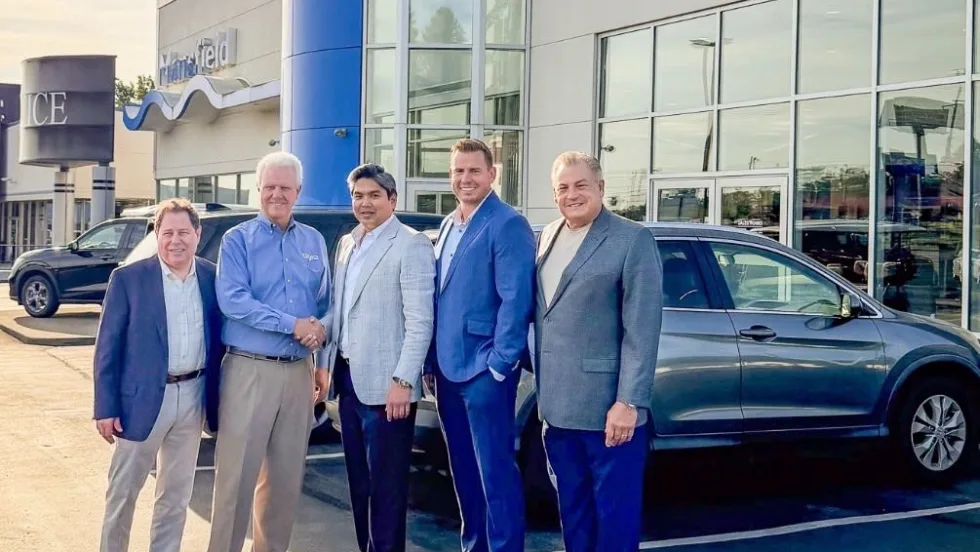
Ohio Auto Group Under New Ownership
After 79 years with the Schluter family, Mansfield Auto Group has been acquired by Missouri-based Clement Auto Group.
Read More →
RV Group Expands Carolina Footprint
Blue Compass RV Columbia Northeast is the 13th RV dealership owned by Blue Compass in the Carolinas.
Read More →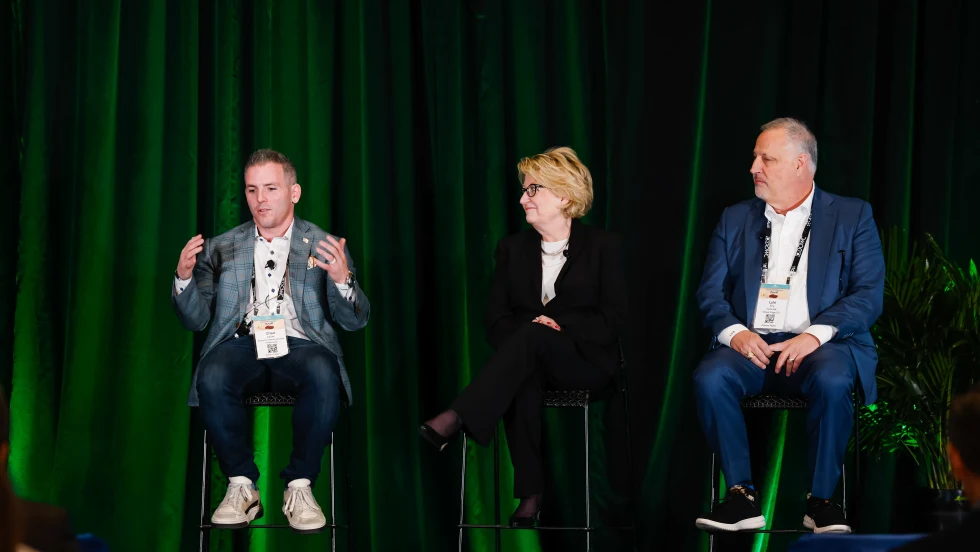
Agent Acumen
An Agent Summit panel of people who’ve been supporting auto dealers for years gave both timely and timeless advice for those starting out or mulling the prospect.
Read More →
Missed Maintenance Creates Opportunity
As families get back on the road and into daily school routines, service drives have an opportunity to capture customers who are behind on recommended vehicle maintenance.
Read More →