



Lawmakers Seek Help to Prevent Crashes
Implore transportation secretary to work with carmakers to deploy connected-car technology.


Government studies have concluded that the technology could prevent at least 600,000 U.S. crashes a year if widely adopted among vehicles.
IMAGE: Getty Images/metamorworks
Members of a U.S. House of Representatives’ transportation committee pressed the Biden administration to light a fire under connected-car efforts in order to prevent accidents.
The Democratic chairman and the top GOP representative on the Transportation and Infrastructure Committee pressed Transportation Secretary Pete Buttigieg to proactively help carmakers mobilize the technology, Reuters reported.
The letter to Buttigieg from Democratic Rep. Peter DeFazio and incoming committee chairman Sam Graves implored the presidential adviser to facilitate deployment of vehicle-to-everything, or V2X, technologies to leverage cellular transmissions for crash prevention. The entreaty comes as U.S. traffic deaths are soaring.
DeFazio and Graves took the opportunity to criticize the Federal Communications Commission’s 2020 reallocation of a spectrum block reserved for automobile safety to support a surge in the number of wireless devices. The 5.9 GHz band spectrum block was reserved in 1999 for carmakers to develop intervehicle communication technology meant to prevent crashes but has been largely unused for that purpose, and the FCC reallocated 60% of it.
“Transportation stakeholders have highlighted the current challenges to V2X deployment, including regulatory uncertainty and a failure to quickly approve waivers for Cellular vehicle-to-everything," the letter said in part. "Given the regulatory uncertainty caused by the FCC’s recent actions in the (connected vehicle) space, the (Transportation) Department must play a strong leadership role to support the deployment of V2X technologies."
Government studies have concluded that the technology could prevent at least 600,000 U.S. crashes a year if widely adopted among vehicles, Reuters said.
READ MORE: Connected Car Technology Drives Service Retention and Reduced Time to Purchase
Originally posted on Auto Dealer Today
More Industry

Auto Affordability Inches Up
The latest Cox Automotive and Moody’s Analytics index shows a slight increase in new-vehicle affordability despite high prices.
Read More →
Ohio Auto Group Under New Ownership
After 79 years with the Schluter family, Mansfield Auto Group has been acquired by Missouri-based Clement Auto Group.
Read More →
RV Group Expands Carolina Footprint
Blue Compass RV Columbia Northeast is the 13th RV dealership owned by Blue Compass in the Carolinas.
Read More →
Agent Acumen
An Agent Summit panel of people who’ve been supporting auto dealers for years gave both timely and timeless advice for those starting out or mulling the prospect.
Read More →
Missed Maintenance Creates Opportunity
As families get back on the road and into daily school routines, service drives have an opportunity to capture customers who are behind on recommended vehicle maintenance.
Read More →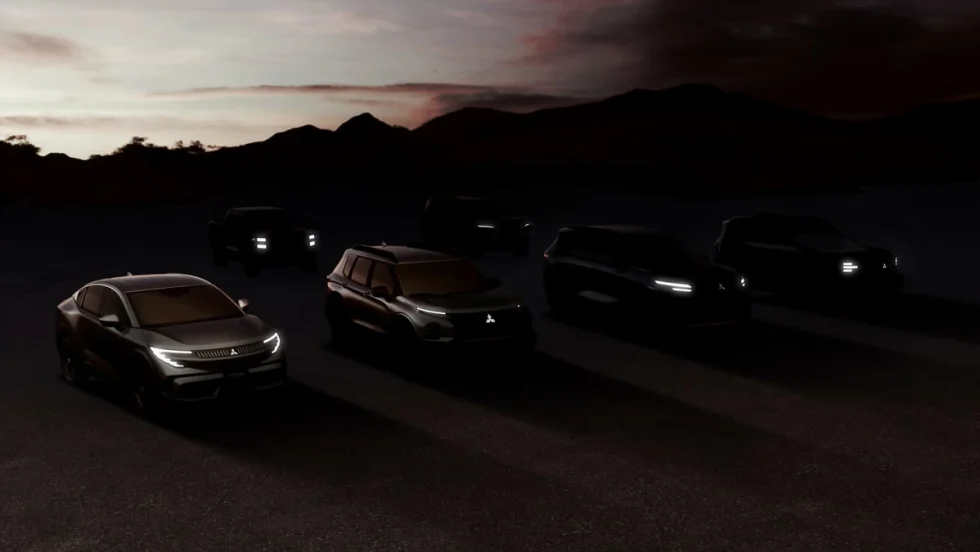
Mitsubishi Unveils U.S. Plan
The automaker announced a strategy that includes an expanded lineup and dealership presence, along with more ‘rugged’ and electric models.
Read More →
Selling to Grow
The question of whether you should sell your agency and if so, when, is up to you. But it’s a question worth asking to ensure you keep the business on the right path for yourself, employees and clients.
Read More →
Recalled Vehicles Hit 5-Year High
Though the number of events has fallen so far this year, impacted units are up significantly. Meanwhile, regulators consider consumer notification changes.
Read More →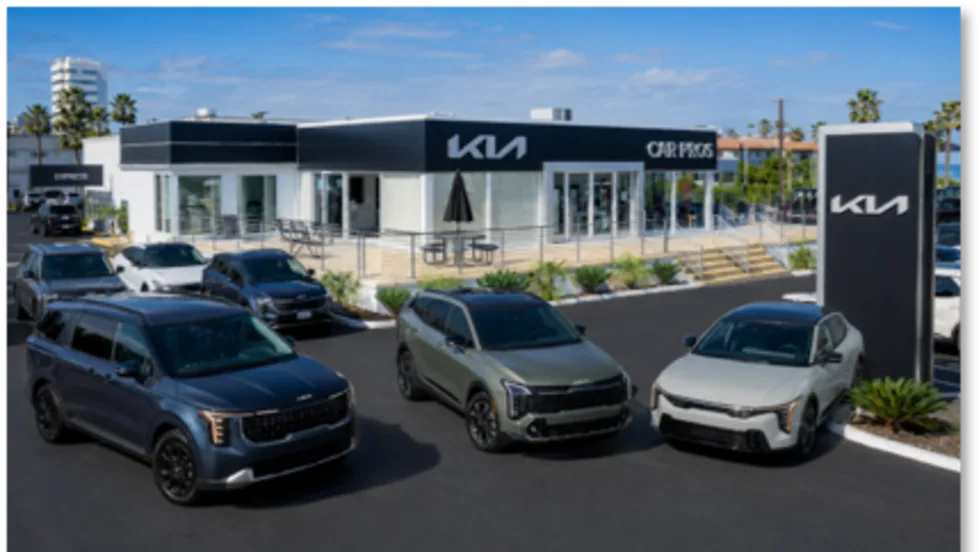
Auto Group Acquires Top-Performing Rooftop
Car Pros sold its Kia Huntington Beach location to Sutherlin Automotive Group, marking the buyer’s third location in Southern California.
Read More →
China as Pacesetter
Automotive leaders huddled on where North America stands in the global picture and how it can strengthen its position against the Asian juggernaut’s surging industry.
Read More →