



IIHS Releases Rating Program for Vehicles with Partial Automation
The new rating system requires safeguards that help drivers stay focused and not treat systems, such as Tesla's Autopilot and Volvo's Pilot Assist, as self-driving cars.

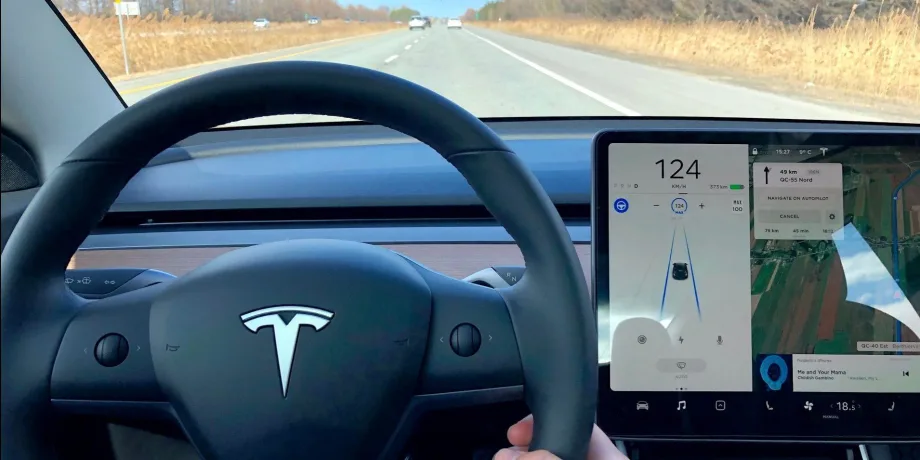
Tesla Autopilot
Tesla
The Insurance Institute for Highway Safety (IIHS) has released a rating program for vehicles with partial automation.
The new rating system requires safeguards that help drivers stay focused and not treat systems, such as Tesla's Autopilot and Volvo's Pilot Assist, as self-driving cars, an IIHS press release said.
Under the rating program, vehicles will receive a rating of either "good," "acceptable," "marginal" or "poor." A "good" rating requires that a car monitors whether drivers keep their hands on the steering wheel and whether they look at the road. The rating also requires that automated lane changes be initiated by the driver and other things.
The IIHS requires the systems to use alerts to remind the driver of this criteria. If the driver fails to respond, the press release reports that the vehicle should slow to a crawl or stop.
Most of today’s semi-automated vehicles do not monitor the hands and automated lane changes. Some manufacturers suggest drivers use partial automation without holding the steering wheel. Other vehicles even allow drivers to use partial automation without wearing a seat belt.
"For some of these things, they are fixes that can be implemented quickly through software," IIHS President David Harkey said. "We are encouraged that the automakers will address some of these problems rather quickly."
While these requirements cannot force drivers to focus, they allow them to take over control quickly if needed, IIHS said.
A noted crash involving partial automation involved a Tesla Model X. Here, the driver was playing a cellphone videogame with autopilot engaged. IIHS hopes the new safeguards will prevent similar crashes.
The new criteria set a standard for safety and will change how automakers and customers talk about partial automation. Automakers must change how they market the systems, says Harkey, but drivers must use them safely, too.
IIHS expects to issue the first set of ratings in 2022, but supply chain issues have made vehicles difficult to obtain for testing.
Consumer Reports, an influential organization that tests vehicles, has warned that research shows human drivers are less likely to pay attention to automated tasks, even if they understand the automation isn't perfect.
The organization reports its testing found flaws in Tesla, BMW and Subaru's driver monitoring systems.
Initially, only Ford and General Motors will earn additional points in its 2022 vehicle ratings next month for driver monitoring systems, reported Consumer Reports. These systems prevented a driver from using active driving assistance when they stopped looking at the road, the organization reported.
NTSB Chair Jennifer Homendy praised the new IIHS rating program as "a meaningful step" toward more informed consumers and safer roads.
Originally posted on Auto Dealer Today
More Industry

Penske Auto Group Deal a Record
The deal to take the dealership and transportation services company private sets a new pace for industry buy-sell transactions.
Read More →
War Toll a Damper on Used Auto Prices
Cox Automotive found wholesale depreciation to be elevated in September amid high fuel prices and this year's unusual hurricane season.
Read More →
Bridge the Maintenance Gap
With many drivers missing recommended maintenance, service departments offering transparency and efficiency have a better chance of reaching financially strained consumers.
Read More →
California Store Has New Owner
The longtime dealership in the northern part of the state is known for robust fleet sales and has served the state capital for 115 years.
Read More →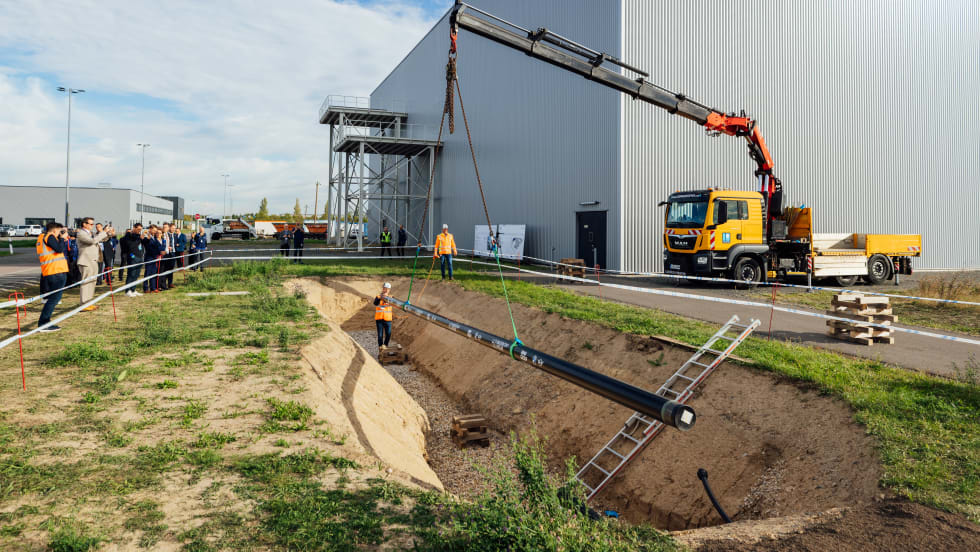
BMW Plant Pursues Cleaner Energy
BMW Group Plant Leipzig has utilized hydrogen to help power its production since 2013, but a new pipeline is planned to take it to another level.
Read More →
Auto Affordability Inches Up
The latest Cox Automotive and Moody’s Analytics index shows a slight increase in new-vehicle affordability despite high prices.
Read More →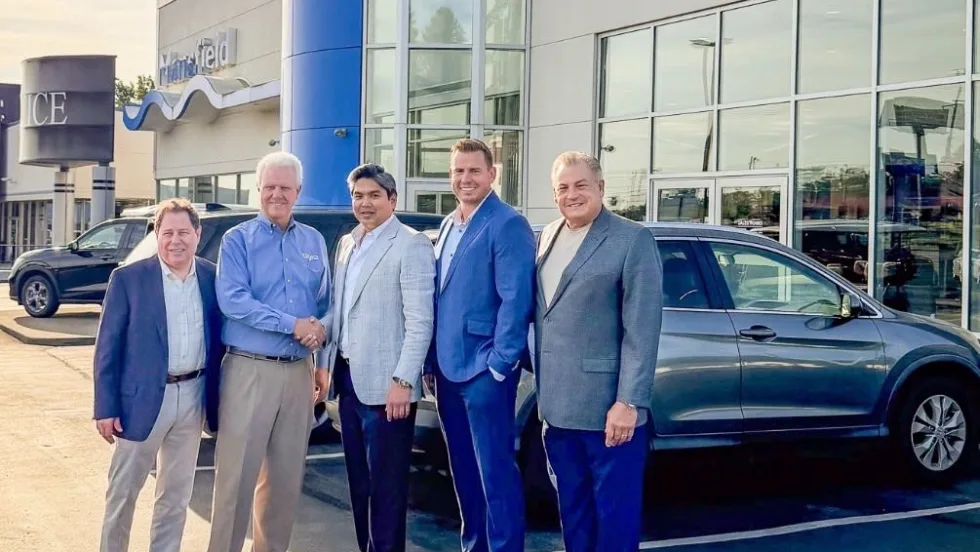
Ohio Auto Group Under New Ownership
After 79 years with the Schluter family, Mansfield Auto Group has been acquired by Missouri-based Clement Auto Group.
Read More →
RV Group Expands Carolina Footprint
Blue Compass RV Columbia Northeast is the 13th RV dealership owned by Blue Compass in the Carolinas.
Read More →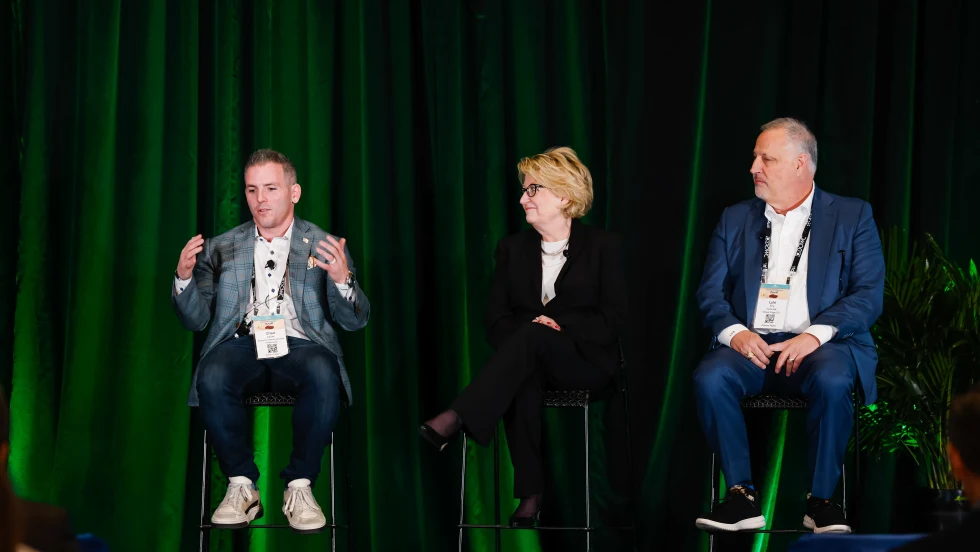
Agent Acumen
An Agent Summit panel of people who’ve been supporting auto dealers for years gave both timely and timeless advice for those starting out or mulling the prospect.
Read More →
Missed Maintenance Creates Opportunity
As families get back on the road and into daily school routines, service drives have an opportunity to capture customers who are behind on recommended vehicle maintenance.
Read More →