



Half of U.S. Vehicles Would be Electrified by 2030 Under Proposed Senate Bill

WASHINGTON - Millions of electric-powered vehicles that would slash America's dependence on foreign oil and cut carbon emissions would be put on the road under legislation approved by a Senate committee on Wednesday, reported Reuters.
The legislation, passed 19-4 in favor, was one of several bills cleared by the Senate Energy and Natural Resources Committee that might be folded into a broader energy and climate bill Democrats are struggling to bring to the Senate floor.
The bill approved by the committee would pour nearly $3.9 billion over 10 years into selected communities to build infrastructure to charge electric cars, conduct research and provide incentives for consumers to buy plug-in vehicles.
The goal is to put the United States on a path to electrify half the country's cars and trucks by 2030, which would cut U.S. demand for oil by about one-third.
"Passing this legislation will strengthen our national security and improve the air we breathe, while relying on our abundant and diverse electricity supply to fuel our cars," said Senator Byron Dorgan, the bill's chief sponsor.
A new bill that addresses climate change and renewable energy is a key priority for the Obama administration but time is running short on the congressional calendar with a scheduled August recess and congressional elections looming in November.
Senator Jeff Bingaman, who chairs the energy panel, said he was not sure if Senate Majority Leader Harry Reid would unveil his encompassing energy and climate legislation next week. The bill would be in trouble if the Senate does not pass it before the August break, according to Bingaman.
"It will be difficult to get a final bill to the president for signature," Bingaman told reporters. "The earlier that the full Senate would act the better position we'll be to actually get a bill to the president."
Congress is scheduled to work through the first or second of week of August, and then recess until after Labor Day in early September.
Reid said on Tuesday he was still grappling for consensus among Democrats to forge a new climate and energy bill.
More Industry

Penske Auto Group Deal a Record
The deal to take the dealership and transportation services company private sets a new pace for industry buy-sell transactions.
Read More →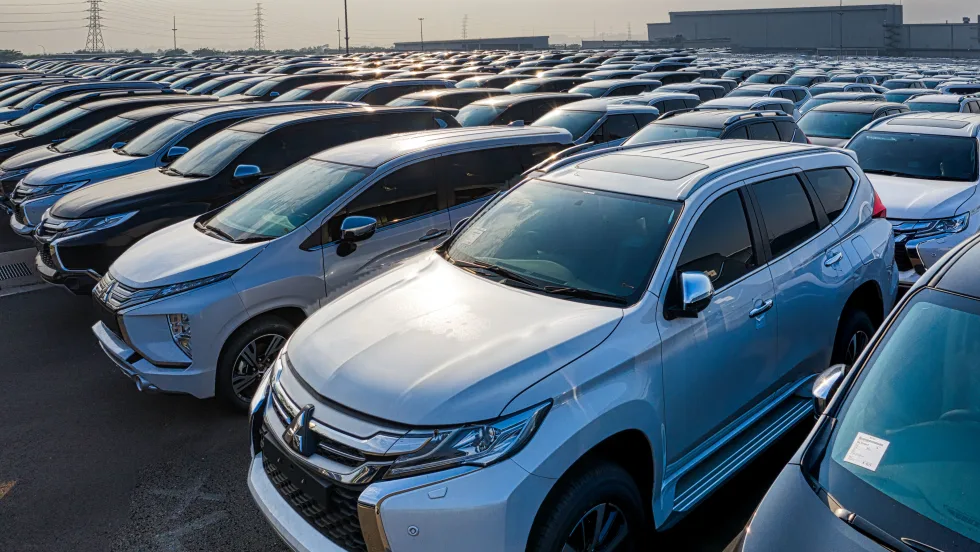
War Toll a Damper on Used Auto Prices
Cox Automotive found wholesale depreciation to be elevated in September amid high fuel prices and this year's unusual hurricane season.
Read More →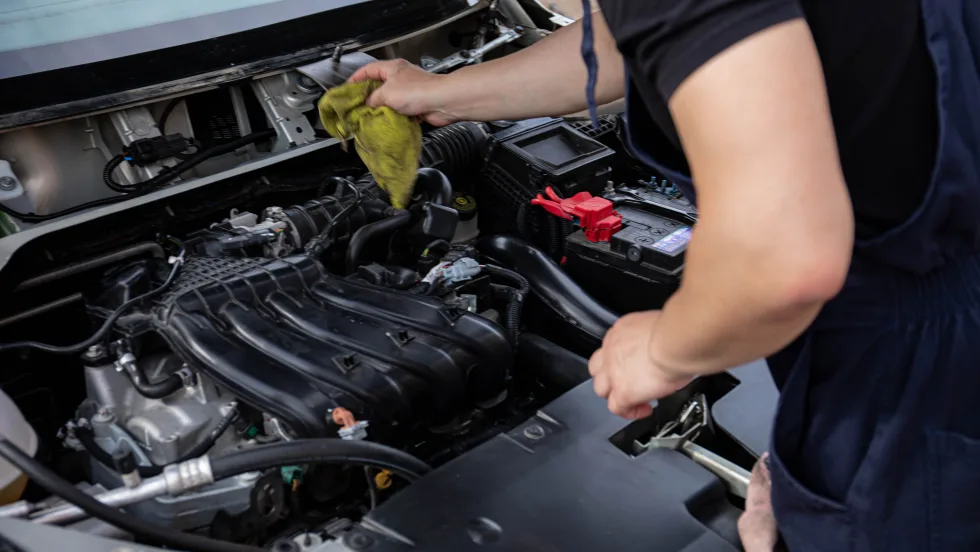
Bridge the Maintenance Gap
With many drivers missing recommended maintenance, service departments offering transparency and efficiency have a better chance of reaching financially strained consumers.
Read More →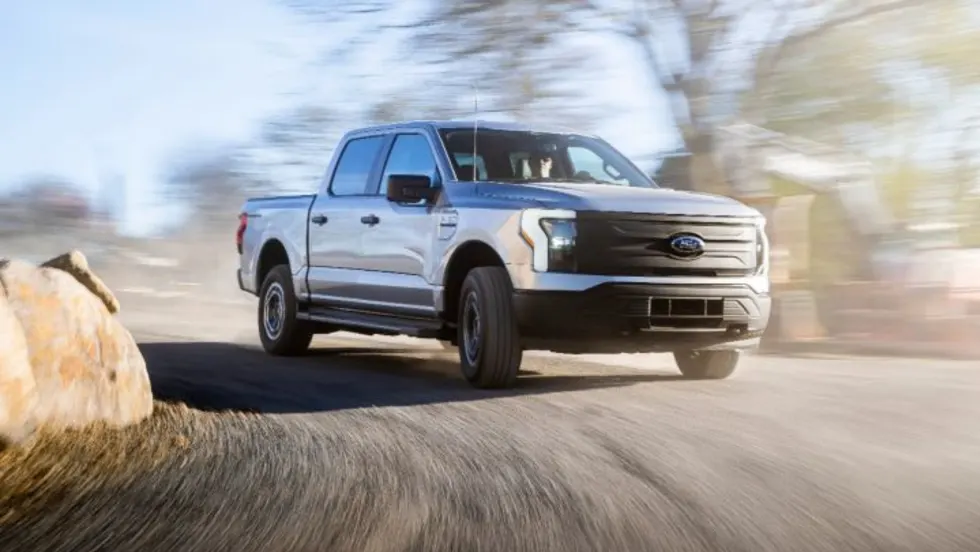
California Store Has New Owner
The longtime dealership in the northern part of the state is known for robust fleet sales and has served the state capital for 115 years.
Read More →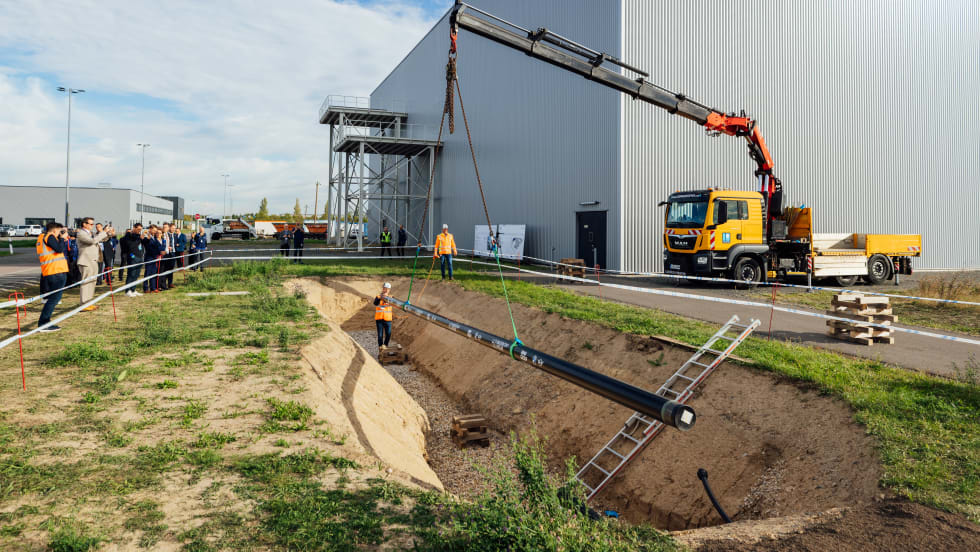
BMW Plant Pursues Cleaner Energy
BMW Group Plant Leipzig has utilized hydrogen to help power its production since 2013, but a new pipeline is planned to take it to another level.
Read More →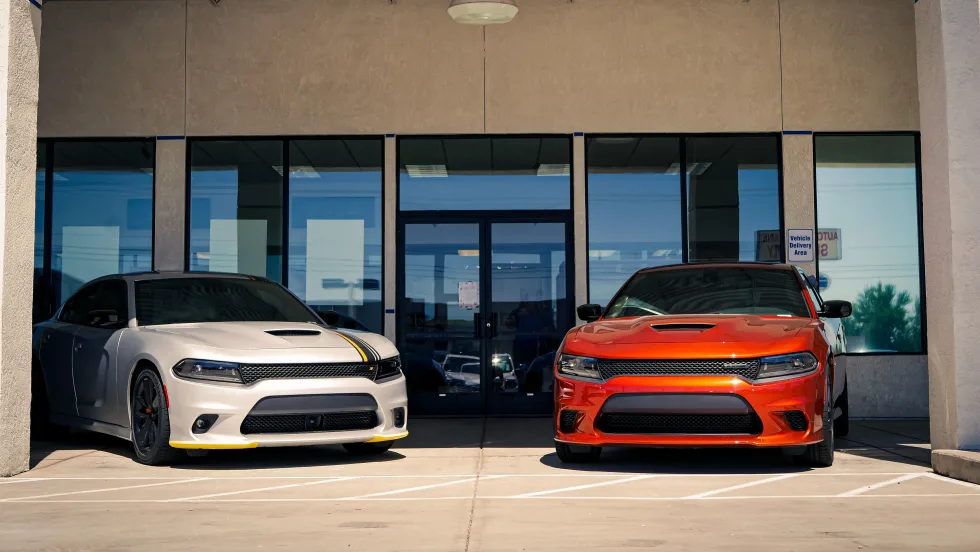
Auto Affordability Inches Up
The latest Cox Automotive and Moody’s Analytics index shows a slight increase in new-vehicle affordability despite high prices.
Read More →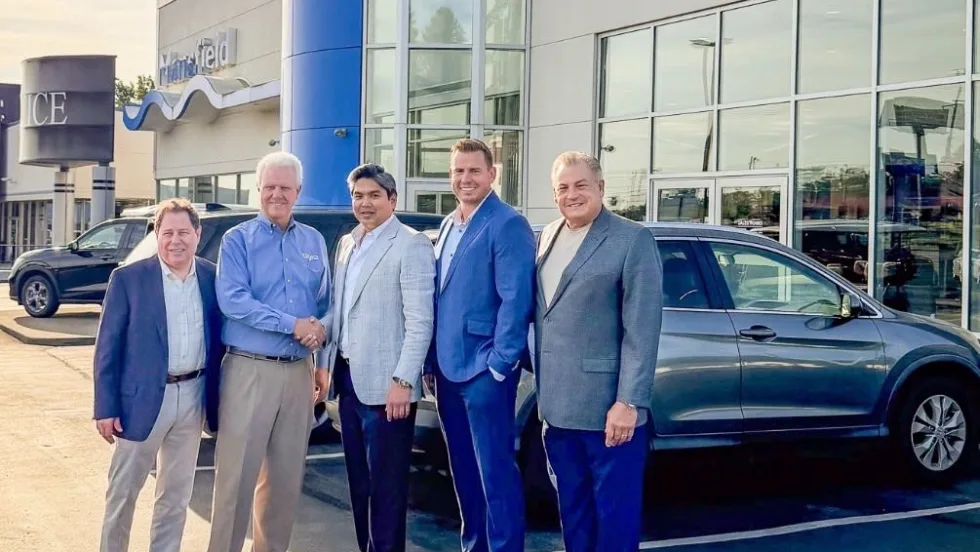
Ohio Auto Group Under New Ownership
After 79 years with the Schluter family, Mansfield Auto Group has been acquired by Missouri-based Clement Auto Group.
Read More →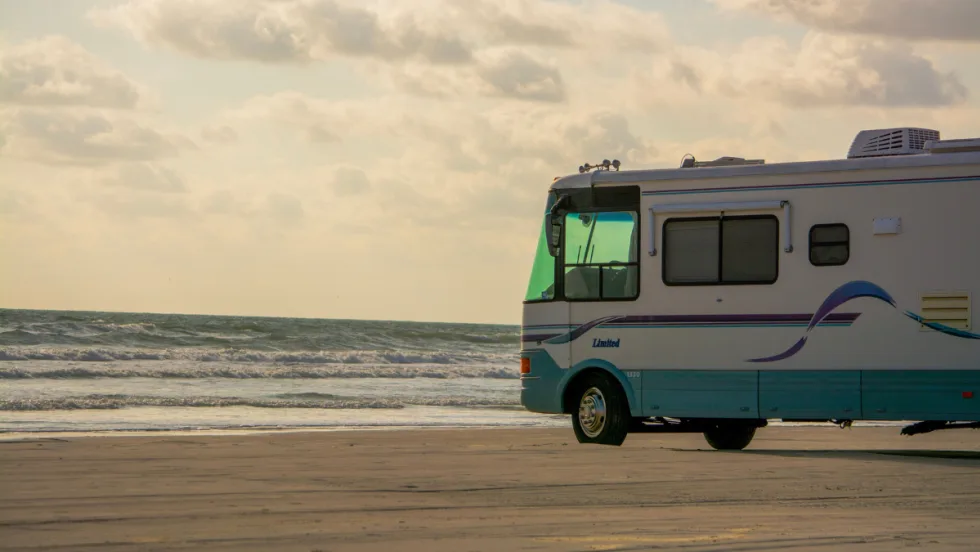
RV Group Expands Carolina Footprint
Blue Compass RV Columbia Northeast is the 13th RV dealership owned by Blue Compass in the Carolinas.
Read More →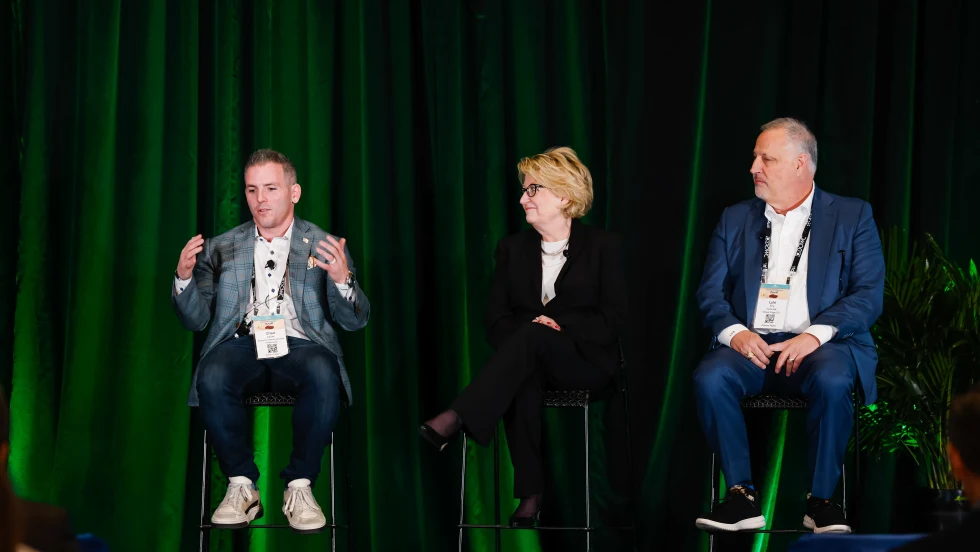
Agent Acumen
An Agent Summit panel of people who’ve been supporting auto dealers for years gave both timely and timeless advice for those starting out or mulling the prospect.
Read More →
Missed Maintenance Creates Opportunity
As families get back on the road and into daily school routines, service drives have an opportunity to capture customers who are behind on recommended vehicle maintenance.
Read More →