



Gas Drivers Least Likely to Shop Electric
Non-EV drivers show a decreased interest in future EV buying, according to CDK.

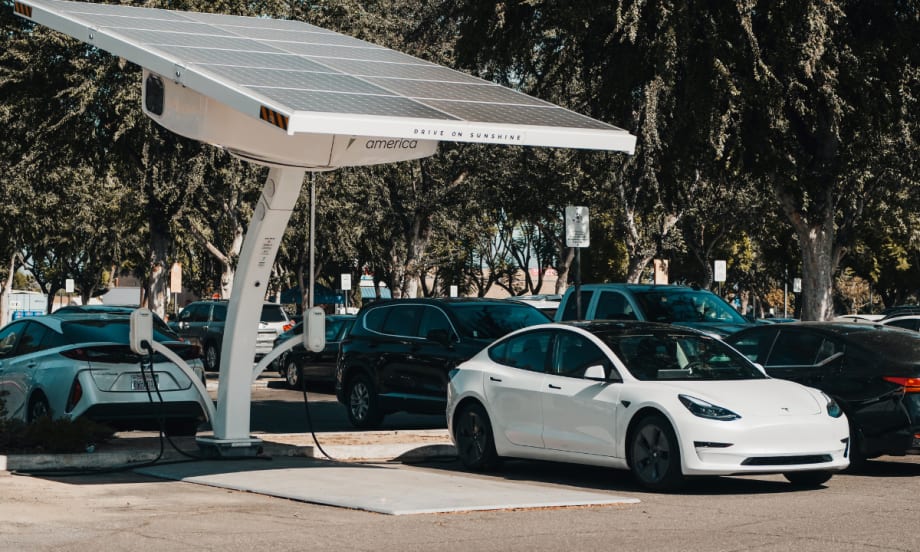
Eighty-eight percent of EV shoppers said their decision to purchase is influenced by their family and friends.
Canva
New research shows that interest in electric-vehicle purchases has waned. The "Car Shopper Shifts on EVs" study by CDK reveals changed consumer sentiment on the EV market, including that of gas, hybrid and plug-in hybrid drivers. The findings come after the end of the federal EV tax credit on Oct. 1.
CDK's study found in part that gas shoppers are the least likely to purchase an EV in the future and that EV shoppers are loyal to electrification and likely to repurchase.
Consumer interest in EVs is down across the board for non-EV drivers in 2025, according to the study. Gas drivers reported the lowest likelihood to purchase an EV in the future at just 11%, down sharply from 31% in 2024. Hybrid drivers reported a 35% interest, down from 54%. Plug-in hybrid drivers reported the highest interest level at 54%, down only 4%.
The study said that one major concern after the end of the tax credit is a drop in leasing. With the old incentive, leasing was attractive to nearly all EV drivers. When asked if future federal breaks would affect their leasing decisions, 77% of shoppers said that they would consider leasing an EV if they got that kind of incentive.
Other reasons car shoppers are hesitant to enter the EV road include consumers who say EVs don’t “suit their lifestyle.” As has been the case for years, a large part of the aversion results from “range anxiety.” Nearly a third of gas shoppers reported wanting a minimum EV range of 450-plus miles, a stark contrast to the 6% of EV shoppers who reported looking for 450-plus miles of range.
Other issues include a distrust in EV technology and anxiety around charging locations, cost and time commitment.
The good news for auto retailers is the study's finding that dealerships are still at the forefront of EV sales. Only 13% of EV shoppers reported planning to buy entirely online, and 38% said they would complete the entire transaction at the dealership. The highest rate of shoppers, 49%, said they would use a combination of online and dealership shopping.
Originally posted on F&I and Showroom
More Industry
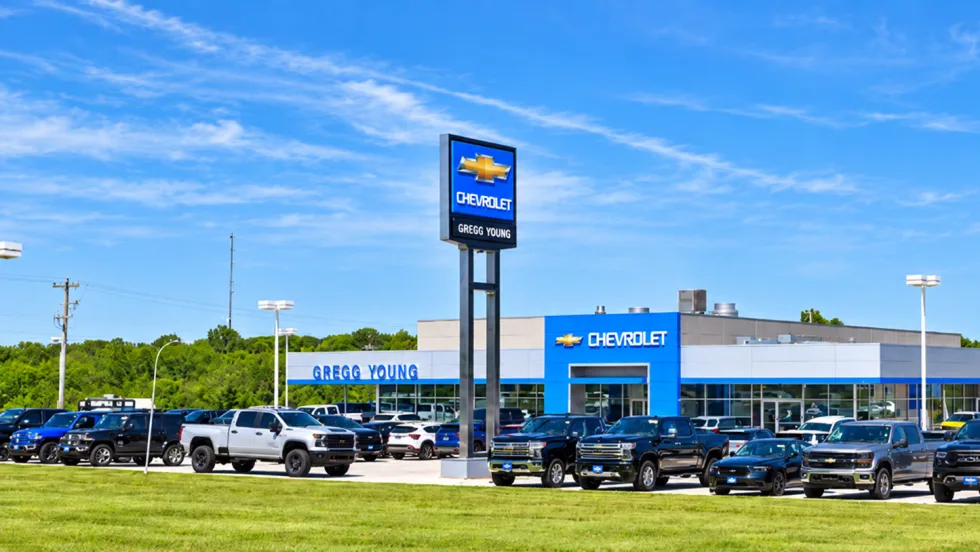
Nebraska Rooftop Changes Hands
The Gregg Young Automotive Group has sold its second dealership to Janssen Auto Group, both in Plattsmouth, Neb.
Read More →
Penske Auto Group Deal a Record
The deal to take the dealership and transportation services company private sets a new pace for industry buy-sell transactions.
Read More →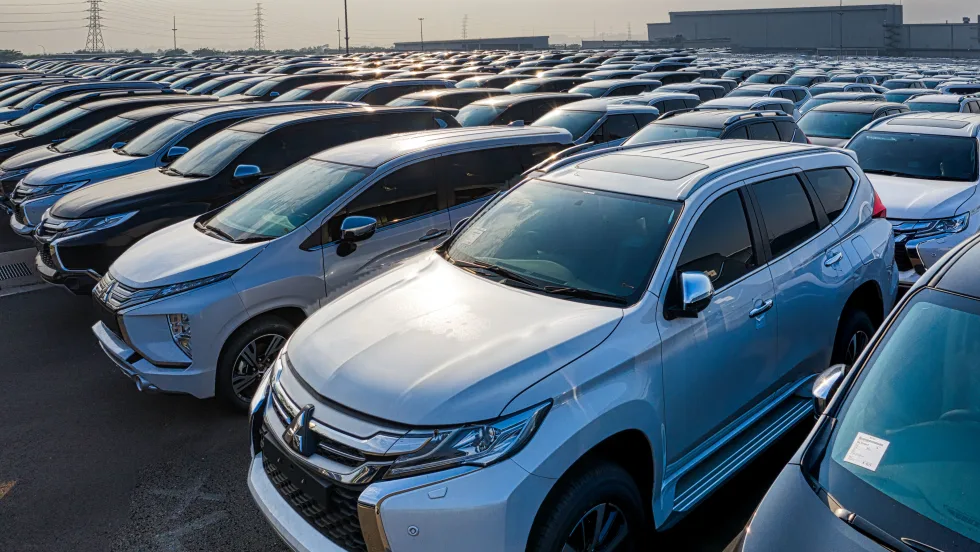
War Toll a Damper on Used Auto Prices
Cox Automotive found wholesale depreciation to be elevated in September amid high fuel prices and this year's unusual hurricane season.
Read More →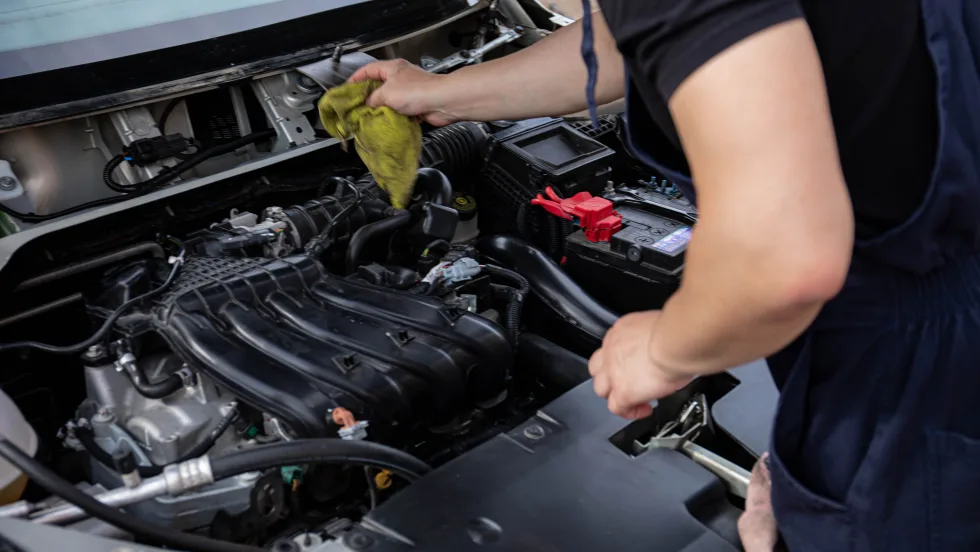
Bridge the Maintenance Gap
With many drivers missing recommended maintenance, service departments offering transparency and efficiency have a better chance of reaching financially strained consumers.
Read More →
California Store Has New Owner
The longtime dealership in the northern part of the state is known for robust fleet sales and has served the state capital for 115 years.
Read More →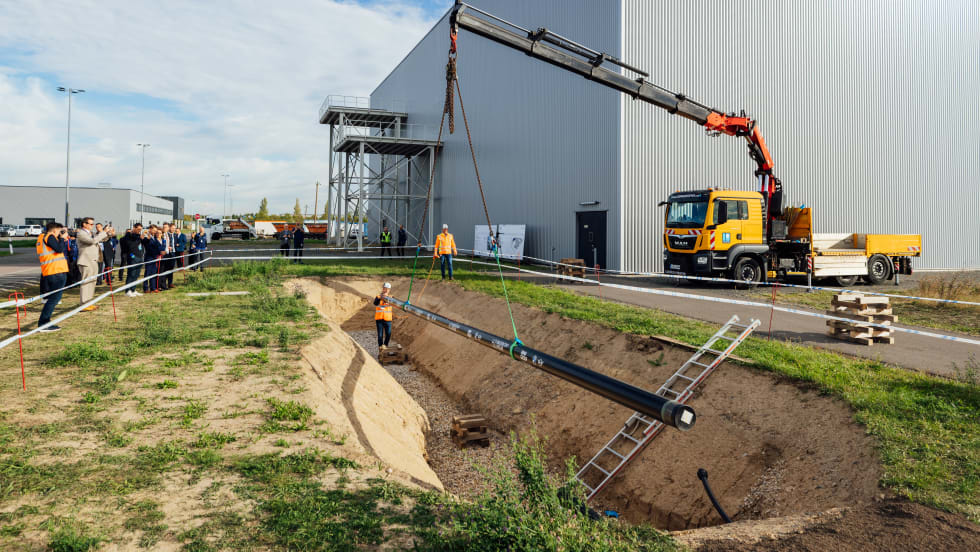
BMW Plant Pursues Cleaner Energy
BMW Group Plant Leipzig has utilized hydrogen to help power its production since 2013, but a new pipeline is planned to take it to another level.
Read More →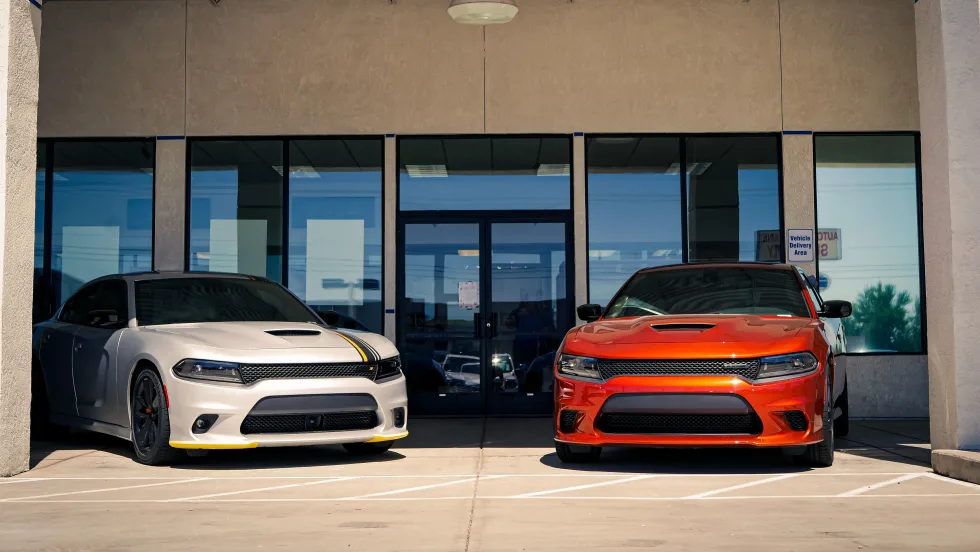
Auto Affordability Inches Up
The latest Cox Automotive and Moody’s Analytics index shows a slight increase in new-vehicle affordability despite high prices.
Read More →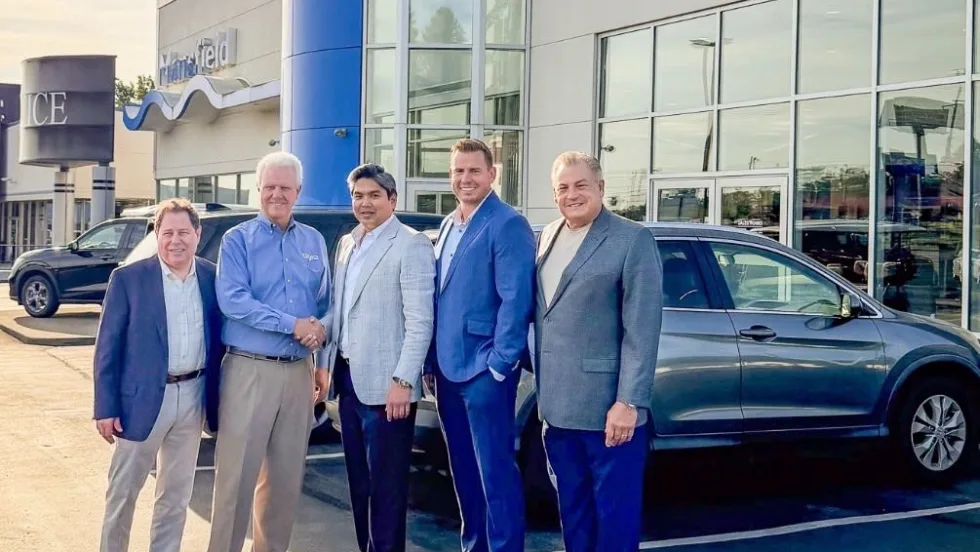
Ohio Auto Group Under New Ownership
After 79 years with the Schluter family, Mansfield Auto Group has been acquired by Missouri-based Clement Auto Group.
Read More →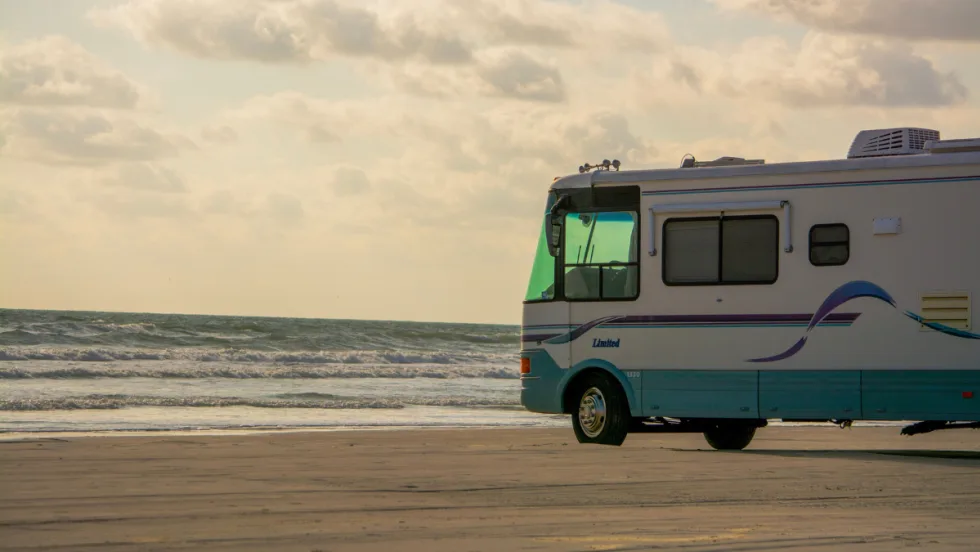
RV Group Expands Carolina Footprint
Blue Compass RV Columbia Northeast is the 13th RV dealership owned by Blue Compass in the Carolinas.
Read More →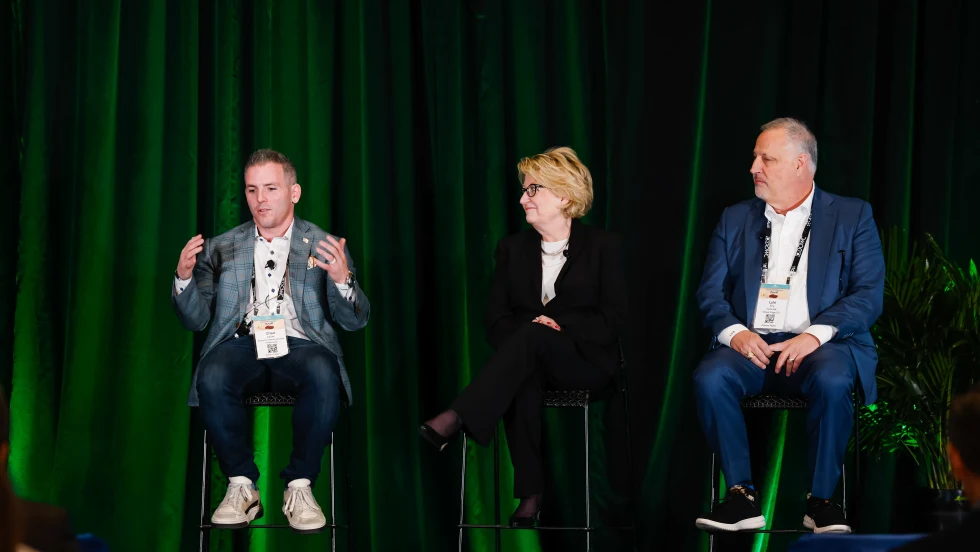
Agent Acumen
An Agent Summit panel of people who’ve been supporting auto dealers for years gave both timely and timeless advice for those starting out or mulling the prospect.
Read More →