



Fresh Auto Consumer Loyalty Perspective
Retention picture changes across power trains, demographics and auto segments, study finds

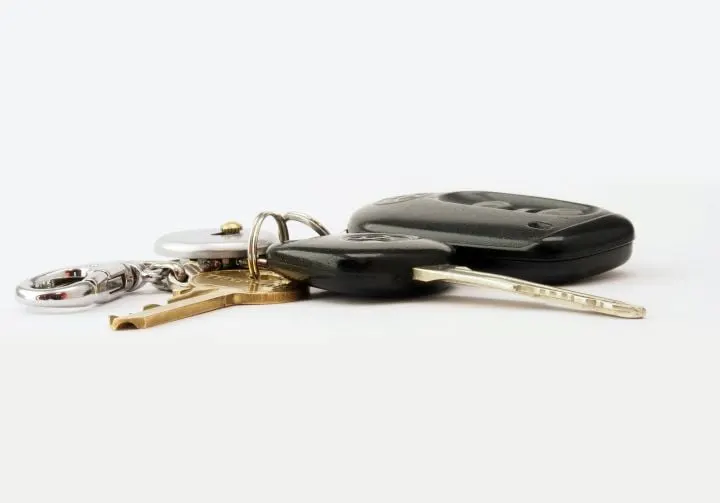
Industrywide, 38% of auto consumers changing power trains stayed loyal to their previous brands.
Pexels/Brett Jordan
When U.S. auto consumers are in the market for a different power train than their current models, they’re more likely to switch brands for the change-up.
In fact, loyalty to power train type is significantly greater than brand loyalty, S&P Global Mobility says it found. Of households shopping for a new vehicle, 74% stick with the same power trains they’ve had, compared to 51% who stay with the same auto brands.
But consumers switching power trains tend to shop around: 62% of households doing so switched brands at the same time, according to S&P Mobility’s research. The automotive data provider observed the phenomenon among both households switching from gas-powered to alternative-fuel power trains and vice versa.
The pattern presents challenges and opportunities for auto dealers, the challenge of keeping customers in the fold, and the opportunity of winning over a competing brand’s loyalists. S&P says households tend to return to the auto market every 3½ years.
Of those, about half switch brands, it said. But among the three out of four who keep the same power train, 56% stay with the same auto brand they bought from the last time.
The research also found differences among consumer demographic groups and auto market segment.
Between July 2024 and this past June, more Asian households switched both brand and power train than those that changed brands but stuck with the same power trains, S&P said, while just 27% of black households that jumped to new brands also switched power trains.
Meanwhile, a similarly low 26% of luxury auto consumers changing power trains stayed loyal to their previous brands, compared to 38% industrywide and 41% for mainstream brands.
S&P advises auto brands to target their marketing to households open to power train switch-ups in an effort that can at the same time reveal those loyal to their current power trains and brands.
“The more granular your targeting, the more effective your strategy will be,” the report says.
Originally posted on F&I and Showroom
More Industry

Penske Auto Group Deal a Record
The deal to take the dealership and transportation services company private sets a new pace for industry buy-sell transactions.
Read More →
War Toll a Damper on Used Auto Prices
Cox Automotive found wholesale depreciation to be elevated in September amid high fuel prices and this year's unusual hurricane season.
Read More →
Bridge the Maintenance Gap
With many drivers missing recommended maintenance, service departments offering transparency and efficiency have a better chance of reaching financially strained consumers.
Read More →
California Store Has New Owner
The longtime dealership in the northern part of the state is known for robust fleet sales and has served the state capital for 115 years.
Read More →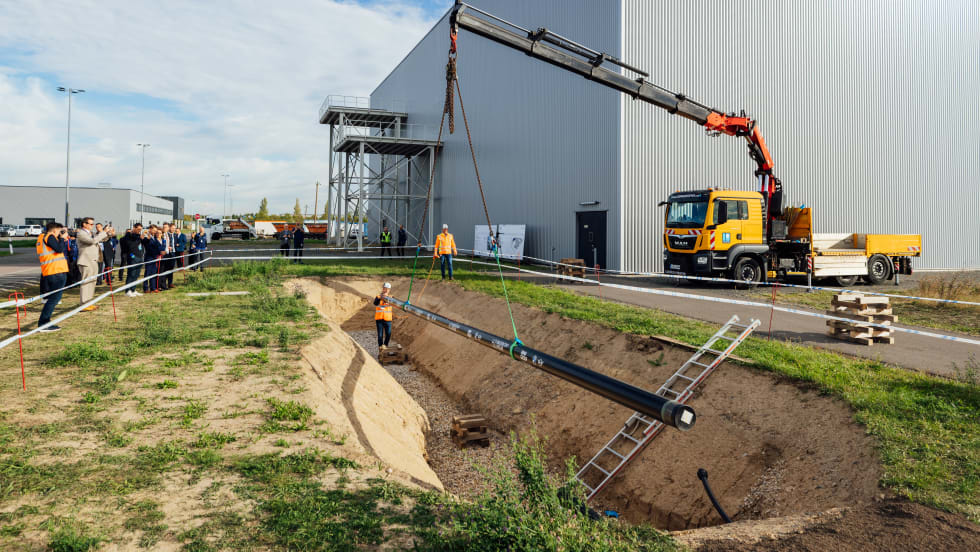
BMW Plant Pursues Cleaner Energy
BMW Group Plant Leipzig has utilized hydrogen to help power its production since 2013, but a new pipeline is planned to take it to another level.
Read More →
Auto Affordability Inches Up
The latest Cox Automotive and Moody’s Analytics index shows a slight increase in new-vehicle affordability despite high prices.
Read More →
Ohio Auto Group Under New Ownership
After 79 years with the Schluter family, Mansfield Auto Group has been acquired by Missouri-based Clement Auto Group.
Read More →
RV Group Expands Carolina Footprint
Blue Compass RV Columbia Northeast is the 13th RV dealership owned by Blue Compass in the Carolinas.
Read More →
Agent Acumen
An Agent Summit panel of people who’ve been supporting auto dealers for years gave both timely and timeless advice for those starting out or mulling the prospect.
Read More →
Missed Maintenance Creates Opportunity
As families get back on the road and into daily school routines, service drives have an opportunity to capture customers who are behind on recommended vehicle maintenance.
Read More →