



Frost & Sullivan: Green, Safe and Connected Medium-Heavy Duty Trucks to Find Widespread Acceptance in 2014

Mountain View, Calif. - The improved economic environment in developing and developed economies is restoring business confidence and pushing up the global sales volumes of medium-heavy duty trucks. Truck buyers are particularly looking for medium-heavy duty trucks with advanced telematics solutions, green powertrain technologies and safety enhancement technologies, such as stability control systems. Trucks with connectivity technologies that facilitate vehicle-to-infrastructure, vehicle-to-vehicle and related communications - in turn enhancing vehicle uptime, driver satisfaction, fleet efficiency and safety - are also gaining traction. In particular, this year will see a rising proliferation and offering of prognostics solutions that reduce vehicle down time and enhance mobile resource productivity.
According to a recent Frost & Sullivan Market Insight, Overview of the Global Medium-Heavy Duty Truck Market in 2014, the sale of medium-heavy duty trucks, which stood at 2.76 million units in 2013, is expected to go up to 2.87 million units by the end of 2014.
"The market will experience introduction of several global engine platforms and at least 15 new truck models," said Sandeep Kar, global director of automotive & transportation research, Frost & Sullivan. "With a change in truck sale models from transactional to relational formats, the market is expected to see a rise in investments in multiplexing technologies that facilitate the integration of soft technologies in trucks. Soft technologies and service/maintenance based solutions will drive greater revenue opportunities for truck makers in coming years."
Connectivity enabled through telematics is fast emerging as a major focal point for OEMs in differentiating their trucks from competitors. This along with driver health, wellness and wellbeing-focused technologies will create foundations for long-term structural changes in truck design and development.
"Both trends of connectivity and a focus on technologies dealing with driver health, wellness and wellbeing will permeate in force to developing markets by the end of this decade," added Kar.
Diesel is expected to dominate the global medium-heavy truck market - 97 percent of units that will be sold in 2014 are expected to run on diesel. Thus, truck OEMs in developed and developing economies are concentrating efforts on rolling out diesel engines with improved fuel efficiency, power density and emission reduction capabilities. At the same time, engine sizes are increasing in developing markets while developed markets are experiencing engine downsizing in the heavy-duty truck segment.
"While diesel retains its status as the industry's de facto fuel, natural gas-fueled trucks will account for roughly one percent of total medium-heavy truck sales this year," said Kar.
In addition, truck OEMs are focusing on developing value trucks that are priced 30 percent lower than premium trucks, and 15 to 20 percent higher than low-cost trucks. These trucks are already making inroads in markets such as China, India and Russia, and are anticipated to grow at a rapid rate over this year. Although value trucks deliver better fuel economy, safety, comfort, convenience and lower total cost of ownership than low-cost trucks, the latter will continue to witness strong demand for the next 10 to 15 years. Moreover, rise in urban logistics and bricks-and-clicks sales models will lead OEMs towards developing and delivering city logistics enabling medium-heavy duty trucks featuring smaller powertrain footprint, faster loading/unloading access and better connectivity with fleet hubs and infrastructure. Several city logistics-focused truck variants will be in development and advanced introduction phase this year.
"Truck OEMs are launching digital e-retailing initiatives, such as Web site-based sales optimization, integration of digital marketing within existing dealership models, off-shore digitization and lead generation through predictive analytics to gain more touch points with truck buyers and influence their purchase decisions," noted Kar. "They are also looking to adopt new technologies that can reduce operating expenses, as this will help them expand their customer base globally."
More Industry

Penske Auto Group Deal a Record
The deal to take the dealership and transportation services company private sets a new pace for industry buy-sell transactions.
Read More →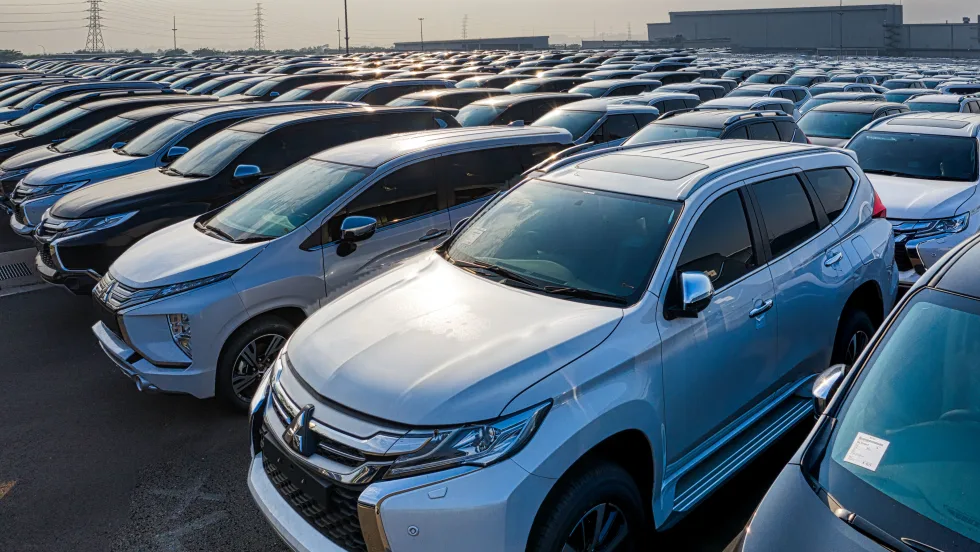
War Toll a Damper on Used Auto Prices
Cox Automotive found wholesale depreciation to be elevated in September amid high fuel prices and this year's unusual hurricane season.
Read More →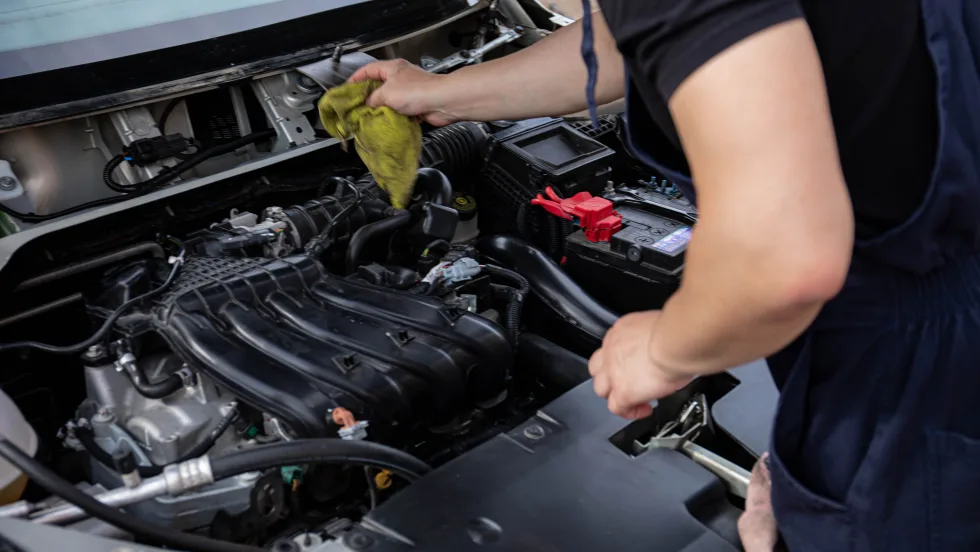
Bridge the Maintenance Gap
With many drivers missing recommended maintenance, service departments offering transparency and efficiency have a better chance of reaching financially strained consumers.
Read More →
California Store Has New Owner
The longtime dealership in the northern part of the state is known for robust fleet sales and has served the state capital for 115 years.
Read More →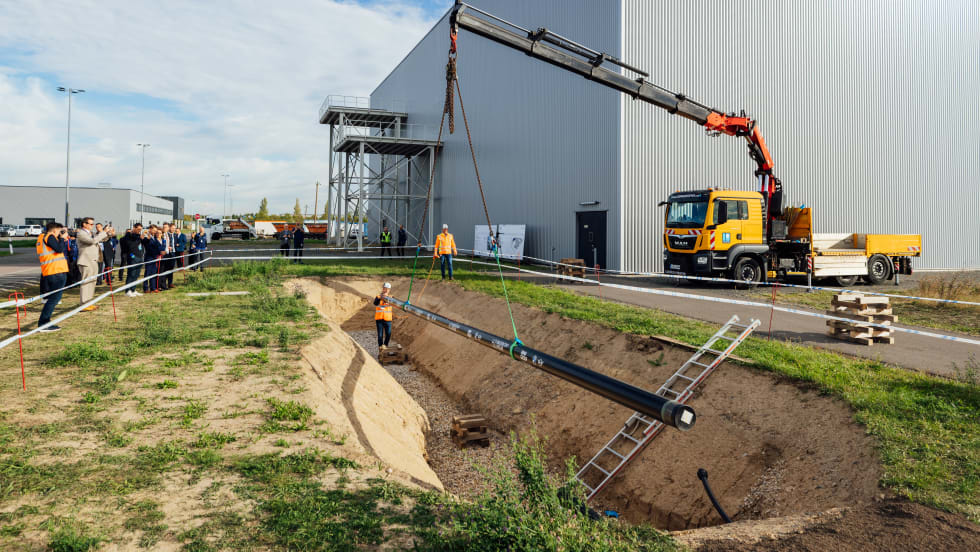
BMW Plant Pursues Cleaner Energy
BMW Group Plant Leipzig has utilized hydrogen to help power its production since 2013, but a new pipeline is planned to take it to another level.
Read More →
Auto Affordability Inches Up
The latest Cox Automotive and Moody’s Analytics index shows a slight increase in new-vehicle affordability despite high prices.
Read More →
Ohio Auto Group Under New Ownership
After 79 years with the Schluter family, Mansfield Auto Group has been acquired by Missouri-based Clement Auto Group.
Read More →
RV Group Expands Carolina Footprint
Blue Compass RV Columbia Northeast is the 13th RV dealership owned by Blue Compass in the Carolinas.
Read More →
Agent Acumen
An Agent Summit panel of people who’ve been supporting auto dealers for years gave both timely and timeless advice for those starting out or mulling the prospect.
Read More →
Missed Maintenance Creates Opportunity
As families get back on the road and into daily school routines, service drives have an opportunity to capture customers who are behind on recommended vehicle maintenance.
Read More →