



Feds Set Sights on 56.2 MPG By 2025

WASHINGTON — The Obama administration is considering requiring cars and light trucks to average 56.2 miles per gallon by 2025 — a move that could boost the cost of vehicles by $2,100 or more.
Top federal regulators and White House aides disclosed their initial proposal — requiring 5 percent average annual increases in efficiency over an eight-year period — in separate, private meetings this week with Detroit's Big Three automakers, four people briefed on the matter told The Detroit News.
General Motors Co., Ford Motor Co. and Chrysler Group LLC declined comment.
Administration officials will hold similar sessions with major foreign automakers Tuesday and Wednesday, as they try to win support for a dramatic increase in fuel efficiency. The White House also has met with the UAW on the issue.
The 56.2 mpg figure and EPA's proposed greenhouse gas emissions limits equivalent likely is an opening bargaining point. The final proposal could change as automakers and the White House hold more meetings to try to again reach agreement.
The administration plans to formally propose new standards in September and finalize them by July 2012.
It estimated last fall that hiking fuel efficiency to 56 mpg by 2025 would boost the average vehicle cost by $2,100 to $2,600. But the administration said the rule would save car owners $5,500 to $7,000 over the vehicle's lifetime in fuel costs, and owners would recoup the additional up-front cost within 2.5 to 3.5 years.
The high mileage requirement would dramatically reshape what Americans drive. Currently, passenger vehicles must average 30.2 mpg and light trucks 24.1 mpg in government testing, but vehicles get far less in real-world driving.
Environmentalists have been pushing for an average of at least 60 mpg by 2025 - pointing to opinion polls that show strong support for higher fuel efficiency. This week, former Republican EPA administrators and others also called for "aggressive" increases.
Detroit's Big Three, Toyota Motor Corp. and eight other automakers, through the Alliance of Automobile Manufacturers lobbying group, are emphasizing possible job losses. They are running radio ads against standards that would negatively impact the industry, criticizing the 60 mpg proposal.
"Today's policymakers have a process under way to develop data-driven standards that avoid higher car prices, job losses and government deciding what Americans drive," said Gloria Bergquist, a spokeswoman for the group. "We need to let that process work."
The White House briefed Michigan lawmakers about the proposal in a conference call Wednesday, after meetings with the automakers.
White House spokesman Matt Lehrich on Friday neither confirmed nor denied the 56.2 mpg figure the administration is said to have proposed, saying "no decision has been made yet."
He acknowledged "we are ramping up engagement with auto companies, members of congress, labor unions and others."
But the proposal caught some Michigan members of Congress off guard, and was higher than some automakers expected.
On Tuesday morning, two White House aides — former auto czar Ron Bloom and Gary Guzy, deputy director of the White House Office of Environmental Quality — met on Capitol Hill with Sen. Carl Levin, D-Detroit; Rep. Fred Upton, R-St. Joseph, chairman of the House Energy and Commerce Committee; and Rep. John Dingell, D-Dearborn, to discuss fuel efficiency efforts.
The three had heard rumors that the administration would back 55 mpg by 2025. Despite questions, the White House aides didn't disclose the 56.2 mpg proposal for 2025. But Levin said automakers had been given a figure at the Wednesday meetings.
"There was a scenario that was placed on the table which frankly shocked me and was very different from what we were told was not in the cards — even in terms of discussions — just hours before," Levin said.
In a statement Friday, Levin said he was surprised "to learn that the administration had decided to lay down a scenario for regulation of vehicle fuel economy and greenhouse gas emissions after telling us just the day before that no 'decision' had been made relative to those issues."
He questioned the administration's forthrightness.
U.S. automakers plan to respond to the administration's proposal in the coming weeks.
The Obama administration, which has made saving GM and Chrysler a key part of its re-election resume, wants to hold a Rose Garden ceremony as it did in May 2009, touting agreement between automakers on a deal.
Automakers are pushing to "back-load" higher efficiency increases to the end of the eight-year time frame, when more advanced technologies, including electric vehicles, are on the roads in bigger numbers. Administration officials repeatedly have promised "flexibility" to automakers in getting to 2025 requirements.
NHTSA is expected to conduct a full-fledged regulatory review for the 2022-25 period in 2017 or 2018 to ensure that higher requirements are achievable by then.
The administration previously said it is considering annual increases in fuel efficiency ranging from 3 percent to 6 percent between 2017 and 2025, which equates to a fleetwide average for all vehicles produced by each automaker of 47 mpg to 62 mpg by 2025. The range of costs per vehicle is $770 to $3,500.
Also at issue is the fact that California and a dozen other states are working on a separate proposal to limit greenhouse gas emissions for the period.
California's top regulator, Mary Nichols, took part in Wednesday's White House meetings, as did National Highway Traffic Safety chief David Strickland, and senior Environmental Protection Agency officials.
In early 2009, automakers held secret meetings with California and the White House and struck a deal to hike fuel efficiency standards nationally to an average 34.1 mpg by 2016 — a move that will cost the industry $51.5 billion over five years, EPA and NHTSA have said.
California agreed not to set its own standards through 2016, but is now moving forward with its own proposal for 2017-25.
Automakers fear that could set a "patchwork" of state and regional standards.
More Industry

Penske Auto Group Deal a Record
The deal to take the dealership and transportation services company private sets a new pace for industry buy-sell transactions.
Read More →
War Toll a Damper on Used Auto Prices
Cox Automotive found wholesale depreciation to be elevated in September amid high fuel prices and this year's unusual hurricane season.
Read More →
Bridge the Maintenance Gap
With many drivers missing recommended maintenance, service departments offering transparency and efficiency have a better chance of reaching financially strained consumers.
Read More →
California Store Has New Owner
The longtime dealership in the northern part of the state is known for robust fleet sales and has served the state capital for 115 years.
Read More →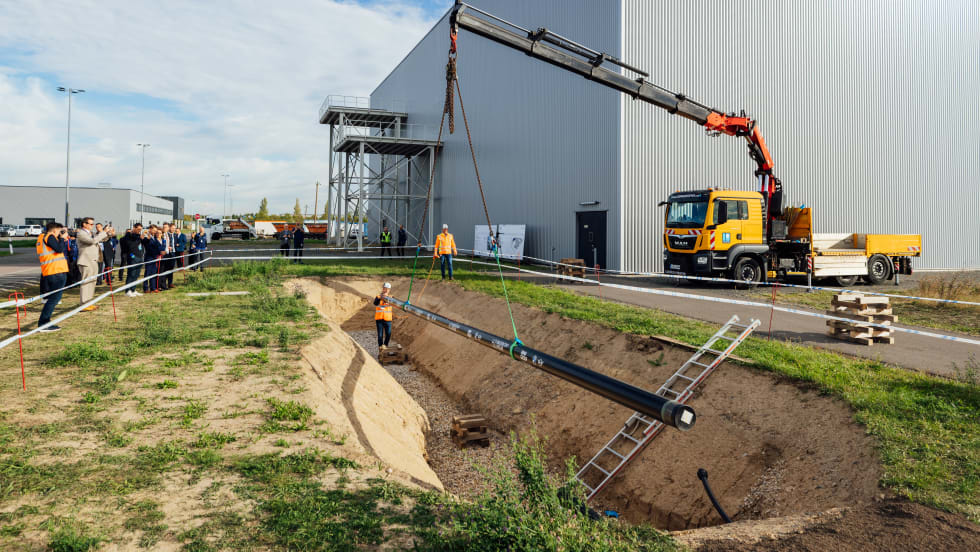
BMW Plant Pursues Cleaner Energy
BMW Group Plant Leipzig has utilized hydrogen to help power its production since 2013, but a new pipeline is planned to take it to another level.
Read More →
Auto Affordability Inches Up
The latest Cox Automotive and Moody’s Analytics index shows a slight increase in new-vehicle affordability despite high prices.
Read More →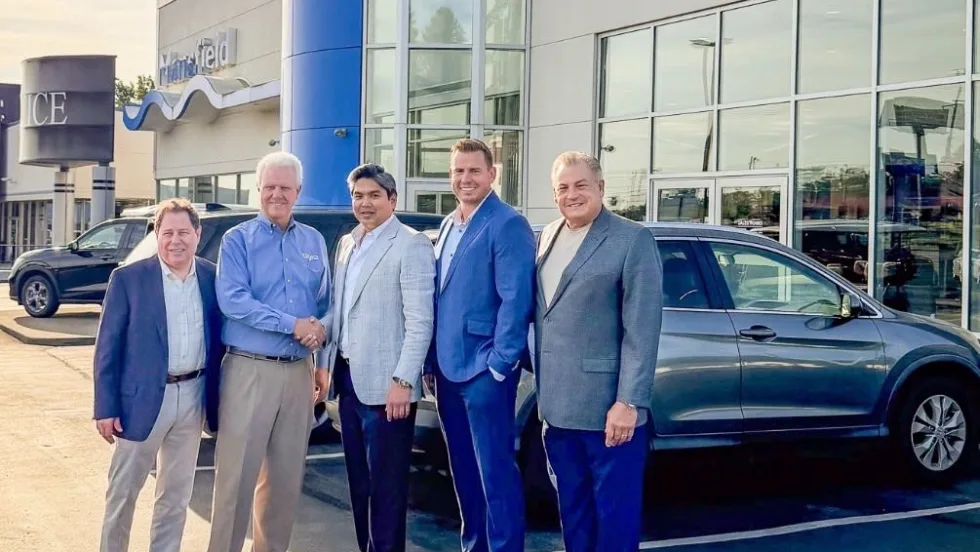
Ohio Auto Group Under New Ownership
After 79 years with the Schluter family, Mansfield Auto Group has been acquired by Missouri-based Clement Auto Group.
Read More →
RV Group Expands Carolina Footprint
Blue Compass RV Columbia Northeast is the 13th RV dealership owned by Blue Compass in the Carolinas.
Read More →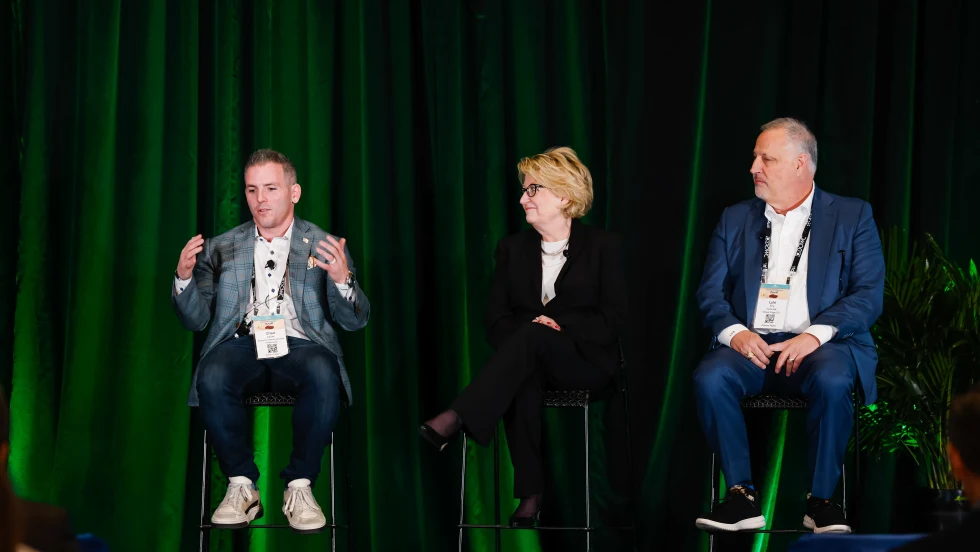
Agent Acumen
An Agent Summit panel of people who’ve been supporting auto dealers for years gave both timely and timeless advice for those starting out or mulling the prospect.
Read More →
Missed Maintenance Creates Opportunity
As families get back on the road and into daily school routines, service drives have an opportunity to capture customers who are behind on recommended vehicle maintenance.
Read More →