



EV Tax Credits May Put Brakes on EV Adoption
Major automakers say the $430 billion bill approved Sunday by the U.S. Senate will put the brakes on achieving U.S. electric-vehicle adoption targets for 2030.

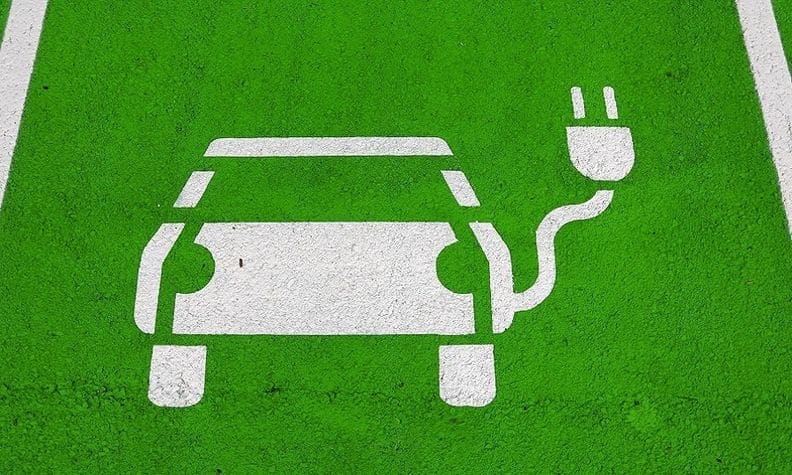
Creative Commons
A group representing General Motors, Toyota Motor, Volkswagen and other major automakers purport that a $430 billion bill approved Sunday by the U.S. Senate will put the brakes on achieving U.S. electric-vehicle adoption targets for 2030.
"Unfortunately, the EV tax credit requirements will make most vehicles immediately ineligible for the incentive," said the Alliance for Automotive Innovation's chief executive, John Bozzella. He noted the bill also would jeopardize the collective target of 40-50% electric vehicle sales by 2030.
The group warned legislators before the bill passed that most EV models would not qualify for a $7,500 tax credit for U.S. buyers under the legislation.
The bill allows credits for vehicles assembled in North America, which makes some EVs ineligible for the credit.
The Senate bill also imposes other restrictions to deter automakers from using Chinese-made materials by requiring automakers to use more North American-sourced battery components in a phased process. Vehicles with batteries having Chinese components will not the credit after 2023.
Sen. Joe Manchin, who pushed for the restrictions, said EVs should not depend on foreign supply chains while Sen. Debbie Stabenow of Michigan said the credit is "unworkable."
Used EVs are eligible for a $4,000 tax credit. The package also provides billions in new funding for EV production as well as $3 billion for the U.S. Postal Service to buy EVs and battery-charging equipment.
The new EV tax credits will expire in 2032. As they stand, they are limited to trucks, vans and SUVs under $80,000 and cars up to $55,000. Only families with adjusted grows incomes of up to $300,000 will be eligible.
Originally posted on Auto Dealer Today
More Industry
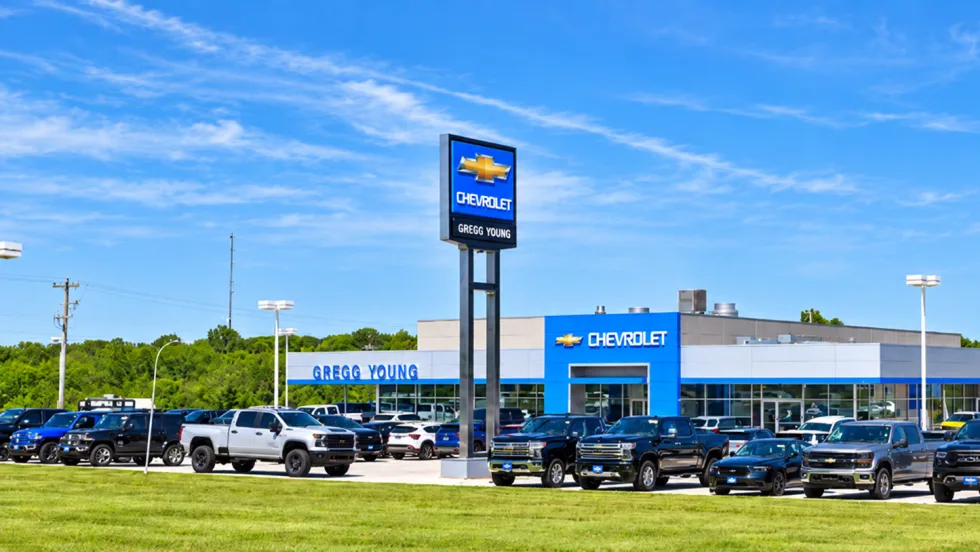
Nebraska Rooftop Changes Hands
The Gregg Young Automotive Group has sold its second dealership to Janssen Auto Group, both in Plattsmouth, Neb.
Read More →
Penske Auto Group Deal a Record
The deal to take the dealership and transportation services company private sets a new pace for industry buy-sell transactions.
Read More →
War Toll a Damper on Used Auto Prices
Cox Automotive found wholesale depreciation to be elevated in September amid high fuel prices and this year's unusual hurricane season.
Read More →
Bridge the Maintenance Gap
With many drivers missing recommended maintenance, service departments offering transparency and efficiency have a better chance of reaching financially strained consumers.
Read More →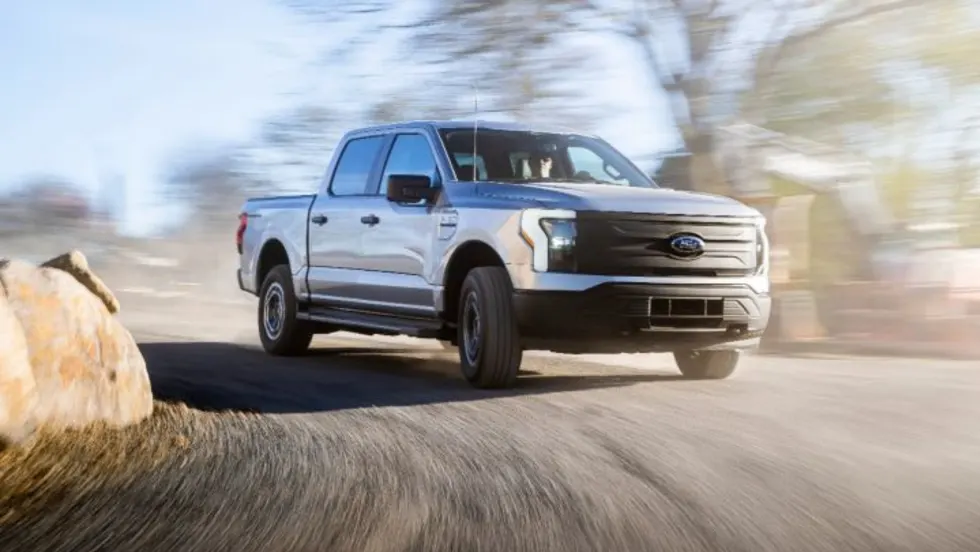
California Store Has New Owner
The longtime dealership in the northern part of the state is known for robust fleet sales and has served the state capital for 115 years.
Read More →
BMW Plant Pursues Cleaner Energy
BMW Group Plant Leipzig has utilized hydrogen to help power its production since 2013, but a new pipeline is planned to take it to another level.
Read More →
Auto Affordability Inches Up
The latest Cox Automotive and Moody’s Analytics index shows a slight increase in new-vehicle affordability despite high prices.
Read More →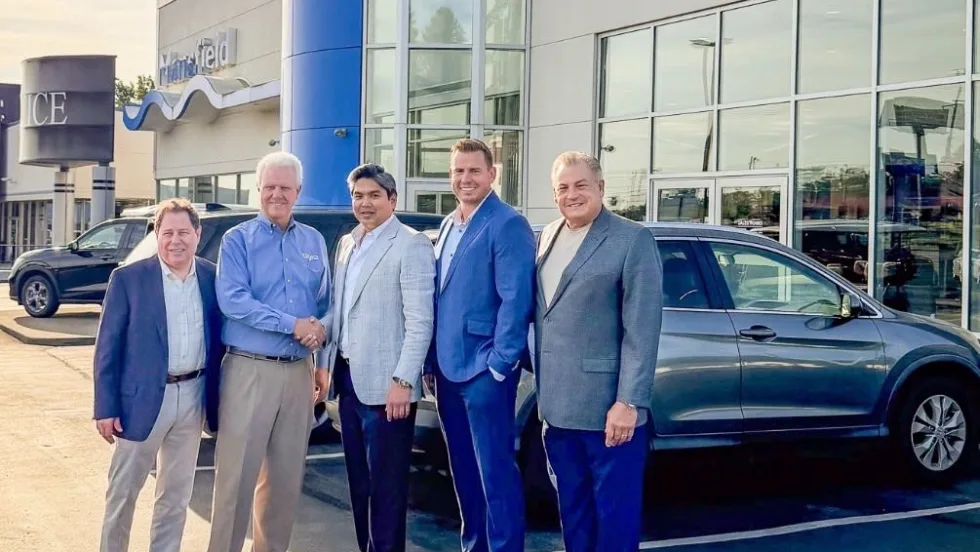
Ohio Auto Group Under New Ownership
After 79 years with the Schluter family, Mansfield Auto Group has been acquired by Missouri-based Clement Auto Group.
Read More →
RV Group Expands Carolina Footprint
Blue Compass RV Columbia Northeast is the 13th RV dealership owned by Blue Compass in the Carolinas.
Read More →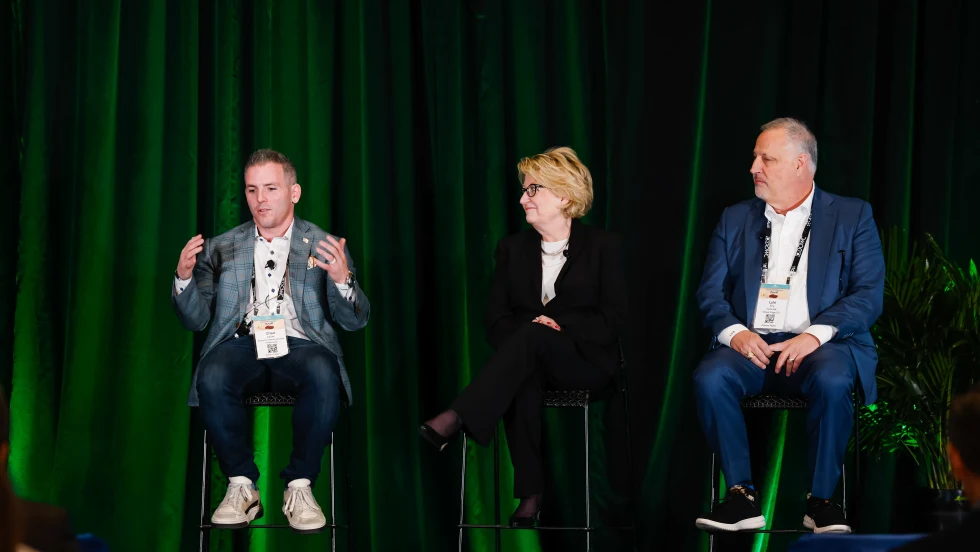
Agent Acumen
An Agent Summit panel of people who’ve been supporting auto dealers for years gave both timely and timeless advice for those starting out or mulling the prospect.
Read More →