



COVID-19 Shutters Production in China
Tesla Inc. has had to shut down its plant in Shanghai for a total of 12 production days in recent weeks because of China’s COVID-19 lockdowns.


Wikipedia
Tesla Inc. has had to shut down its plant in Shanghai for a total of 12 production days in recent weeks because of China’s COVID-19 lockdowns.
A shortage of truck drivers has semiconductor chips piling up at manufacturers. Bankers are even camping out in their offices as COVID cases build.
Shanghai has become the epicenter of China’s worst outbreak since the pandemic began and the city’s lockdown has been extended indefinitely. China maintains a rigid Covid-Zero containment policy, though President Xi Jinping seeks to limit the economic consequences of these lockdowns.
Containment measures and lockdowns threaten to slow China’s economic growth in 2022, falling below the government’s 5.5% target, according to Bloomberg Economics. The country also risks further havoc on stressed supply chains.
Anonymous sources report Tesla plans to keep its Shanghai factory closed through April 7.
The shutdowns are wreaking havoc on production. The Shanghai Gigafactory produced half of the company’s vehicles last year, and builds cars not for China, Europe and elsewhere in Asia.
Some companies, including chip giants Taiwan Semiconductor Manufacturing Co. and SMIC, and iPhone assembler Pegatron Corp. have kept plants running by implementing a closed loop system where workers live on-site and get tested regularly. These companies now report struggles in getting trucks to move their chips to clients.
Singapore’s Spindex Industries Ltd., which supplies precision components to the automobile industry, extended closures at its Shanghai plant until April 10 or whenever local authorities allow work to resume. The company expects expected the measures to negatively impact its financial performance.
BWM has halted production in the northern Chinese city of Shenyang for two weeks after a lockdown last month in an attempt to limit the spread of Covid-19.
The German automaker has suspended production at both factories in the Liaoning province since March 24, after the municipal government imposed stricter controls over residents starting March 22.
The factories produce the BMW 3 and 5 Series and have a total of annual production capacity of about 700,000 units.
Originally posted on Auto Dealer Today
More Industry

Penske Auto Group Deal a Record
The deal to take the dealership and transportation services company private sets a new pace for industry buy-sell transactions.
Read More →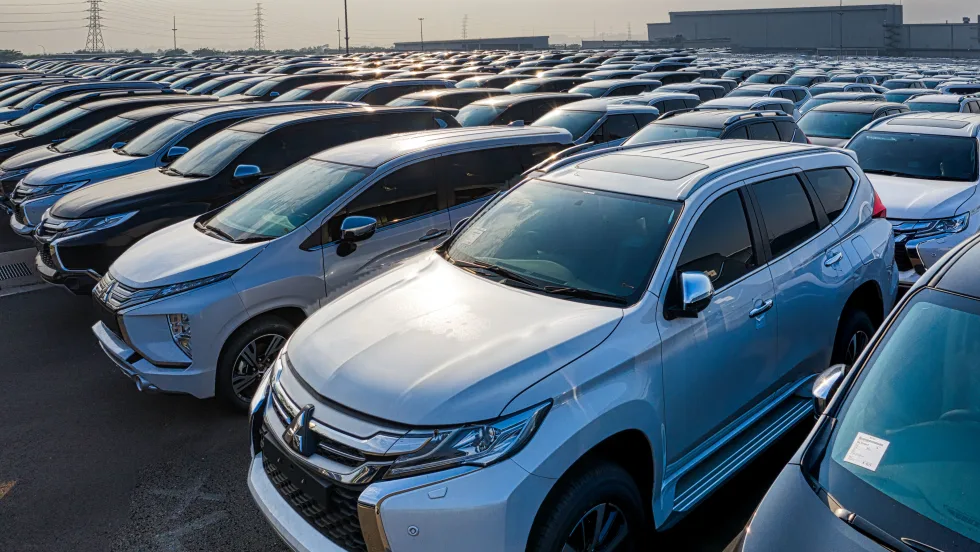
War Toll a Damper on Used Auto Prices
Cox Automotive found wholesale depreciation to be elevated in September amid high fuel prices and this year's unusual hurricane season.
Read More →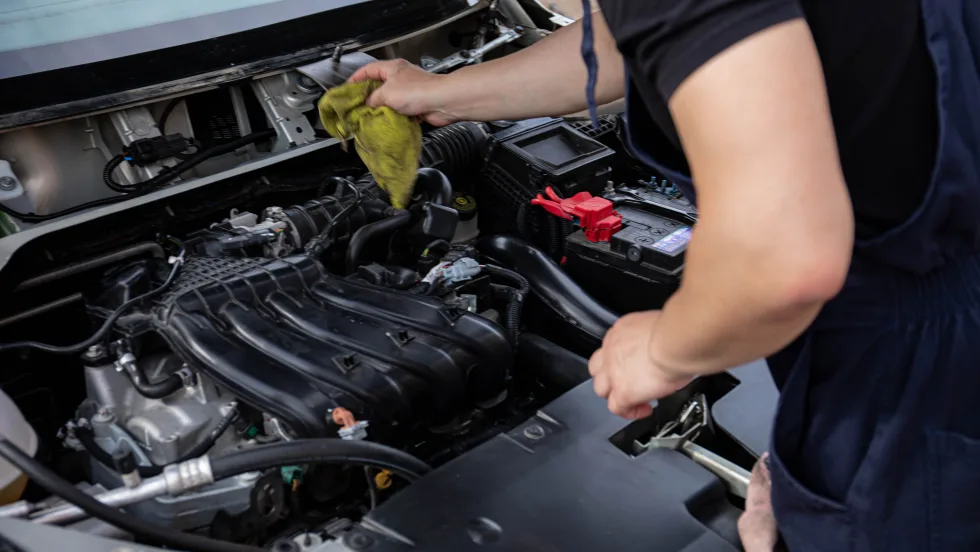
Bridge the Maintenance Gap
With many drivers missing recommended maintenance, service departments offering transparency and efficiency have a better chance of reaching financially strained consumers.
Read More →
California Store Has New Owner
The longtime dealership in the northern part of the state is known for robust fleet sales and has served the state capital for 115 years.
Read More →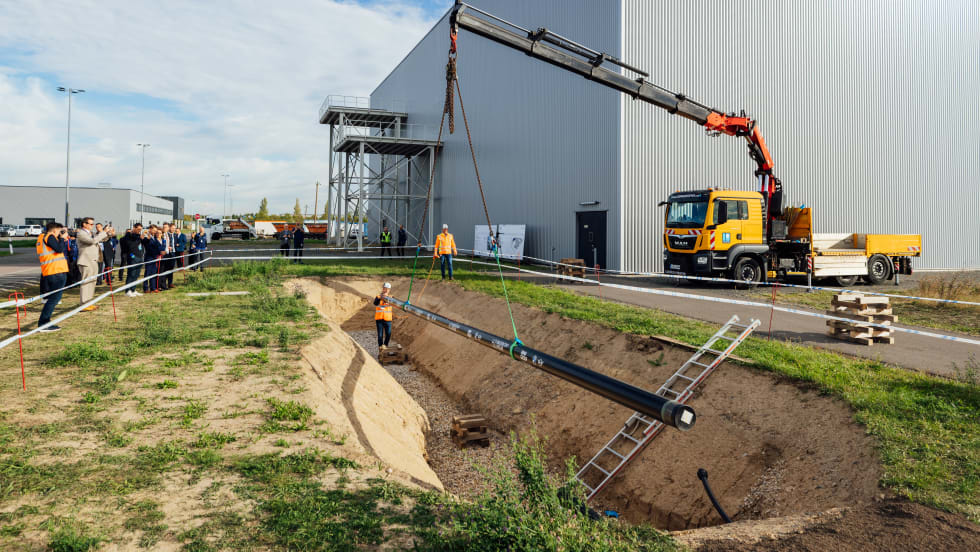
BMW Plant Pursues Cleaner Energy
BMW Group Plant Leipzig has utilized hydrogen to help power its production since 2013, but a new pipeline is planned to take it to another level.
Read More →
Auto Affordability Inches Up
The latest Cox Automotive and Moody’s Analytics index shows a slight increase in new-vehicle affordability despite high prices.
Read More →
Ohio Auto Group Under New Ownership
After 79 years with the Schluter family, Mansfield Auto Group has been acquired by Missouri-based Clement Auto Group.
Read More →
RV Group Expands Carolina Footprint
Blue Compass RV Columbia Northeast is the 13th RV dealership owned by Blue Compass in the Carolinas.
Read More →
Agent Acumen
An Agent Summit panel of people who’ve been supporting auto dealers for years gave both timely and timeless advice for those starting out or mulling the prospect.
Read More →
Missed Maintenance Creates Opportunity
As families get back on the road and into daily school routines, service drives have an opportunity to capture customers who are behind on recommended vehicle maintenance.
Read More →