



Court Tosses Saab Suit Against GM
WASHINGTON — A federal appeals court on Friday upheld a decision to dismiss a $3 billion 2012 suit brought by Dutch carmaker Spyker Cars NV against General Motors Co. for blocking its sale of Saab Automotive AB to a Chinese buyer, reported The Detroit News. The suit contended that GM — which sold its struggling ... Read More »

WASHINGTON — A federal appeals court on Friday upheld a decision to dismiss a $3 billion 2012 suit brought by Dutch carmaker Spyker Cars NV against General Motors Co. for blocking its sale of Saab Automotive AB to a Chinese buyer, reported The Detroit News.
The suit contended that GM — which sold its struggling Swedish car unit Saab for $74 million in February 2010 to Spyker — forced Saab into bankruptcy in December 2011.
The appeals court said GM’s public statements raising questions about the transaction weren’t wrongful or malicious — and were legitimate expressions of concerns about the deal.
“In its public statement, GM openly cited its concern that the sale … would be detrimental to GM and its shareholders as the basis for not consenting,” Judge Eugene E. Siler Jr. wrote for the unanimous three-judge panel.
“GM reiterates on appeal that it was concerned about who owned Saab while using GM technology and, more broadly, who would receive the benefit of Saab’s use of GM’s technology, brand, and goodwill. Because GM was motivated by legitimate business concerns … its statements do not constitute improper motive or interference,” Siler wrote.
The owners had argued GM tried to sabotage the deal.
“GM created the appearance of initially encouraging Saab to enter into a deal with Chinese investors to save the company, only later to unlawfully pull the rug out from under Saab, driving it into bankruptcy liquidation,” the suit says.
“Indeed, it was GM’s intent by whatever means necessary to quash any financing or investment deal that could save Saab from liquidation, because GM simply sought to eliminate Saab from competition, particularly in the Chinese automobile market.”
In October 2012, on the brink of liquidation, Saab agreed to sell itself to two Chinese companies for about $140 million in exchange for $600 million in funding to keep the company afloat.
Saab’s sales fell from 49,000 in the United States in 2003 to 5,800 in 2010. There are 1.5 million Saabs on the road worldwide, including 300,000 in the United States.
More Industry

Penske Auto Group Deal a Record
The deal to take the dealership and transportation services company private sets a new pace for industry buy-sell transactions.
Read More →
War Toll a Damper on Used Auto Prices
Cox Automotive found wholesale depreciation to be elevated in September amid high fuel prices and this year's unusual hurricane season.
Read More →
Bridge the Maintenance Gap
With many drivers missing recommended maintenance, service departments offering transparency and efficiency have a better chance of reaching financially strained consumers.
Read More →
California Store Has New Owner
The longtime dealership in the northern part of the state is known for robust fleet sales and has served the state capital for 115 years.
Read More →
BMW Plant Pursues Cleaner Energy
BMW Group Plant Leipzig has utilized hydrogen to help power its production since 2013, but a new pipeline is planned to take it to another level.
Read More →
Auto Affordability Inches Up
The latest Cox Automotive and Moody’s Analytics index shows a slight increase in new-vehicle affordability despite high prices.
Read More →
Ohio Auto Group Under New Ownership
After 79 years with the Schluter family, Mansfield Auto Group has been acquired by Missouri-based Clement Auto Group.
Read More →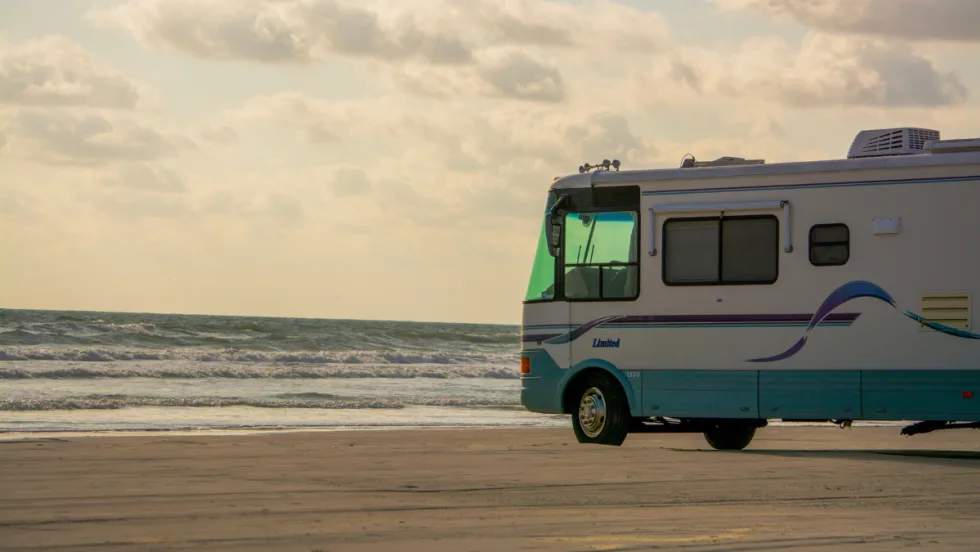
RV Group Expands Carolina Footprint
Blue Compass RV Columbia Northeast is the 13th RV dealership owned by Blue Compass in the Carolinas.
Read More →
Agent Acumen
An Agent Summit panel of people who’ve been supporting auto dealers for years gave both timely and timeless advice for those starting out or mulling the prospect.
Read More →
Missed Maintenance Creates Opportunity
As families get back on the road and into daily school routines, service drives have an opportunity to capture customers who are behind on recommended vehicle maintenance.
Read More →