



Chip Flow Increasing for GM
An increased flow of semiconductor chips allowed the Detroit automaker to operate every plant this week.

General Motors
General Motors Co. is seeing an increased flow of semiconductor chips, allowing the Detroit automaker to operate every plant this week. The auto manufacturer has even scheduled overtime at several plants in recent weeks.
“We are currently seeing a better flow of semiconductors in our supply chain, our North American assembly plants are now back to running regular production, and volumes are increasing in the fourth quarter,” reported GM spokesman Dan Flores in a statement.
He added, “We have made some weekend overtime scheduling adjustments at several of our plants in November and December. This includes Arlington, Ft. Wayne, Wentzville, Lansing Delta Township, Lansing Grand River and Silao, which have been working select weekend overtime shifts.”
GM reported its Wentzville, Missouri, mid-size truck plant is down for several weeks for “construction updates” in departments that support production of its next-generation mid-size trucks. The Orion Assembly, the Chevrolet Bolt EV and EUV plant, also is down through Jan. 28 as the company addresses recalls and provides battery supply to the affected vehicles.
Automakers have battled the semiconductor shortage since January and industry leaders predict the effects will last into next year. Still, analysts at Fitch Ratings Inc. report they expect to see gradual improvement in semiconductor supply in 2022.
“Semiconductor availability should modestly increase sequentially through 2022, but supply chains remain vulnerable to potential event risk because of the trajectory of the pandemic,” the firm reported.
The shortage led automakers to halt production at some plants and limited inventory at U.S. dealerships. Tight inventories pushed prices to record-high prices. In October, average new-vehicle prices surpassed $46,000, according to Kelley Blue Book.
Fitch predicts “the supply/demand mismatch that led to very strong vehicle net pricing and mix in 2021 will continue” in the first half of 2022. The firm noted that increasing production and rebuilding of inventory levels in the second half of 2022 could cause automakers’ “operating margins to come under pressure.”
Originally posted on Auto Dealer Today
More Industry
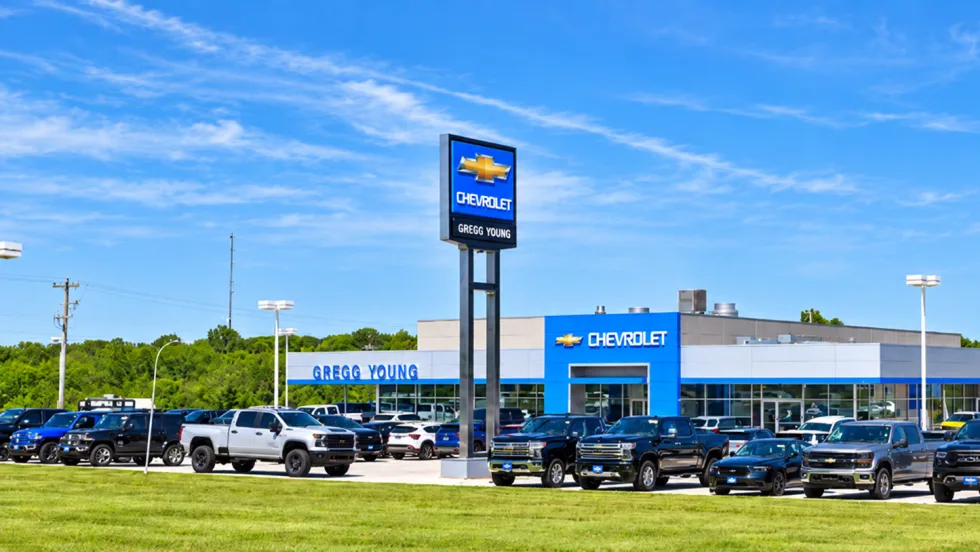
Nebraska Rooftop Changes Hands
The Gregg Young Automotive Group has sold its second dealership to Janssen Auto Group, both in Plattsmouth, Neb.
Read More →
Penske Auto Group Deal a Record
The deal to take the dealership and transportation services company private sets a new pace for industry buy-sell transactions.
Read More →
War Toll a Damper on Used Auto Prices
Cox Automotive found wholesale depreciation to be elevated in September amid high fuel prices and this year's unusual hurricane season.
Read More →
Bridge the Maintenance Gap
With many drivers missing recommended maintenance, service departments offering transparency and efficiency have a better chance of reaching financially strained consumers.
Read More →
California Store Has New Owner
The longtime dealership in the northern part of the state is known for robust fleet sales and has served the state capital for 115 years.
Read More →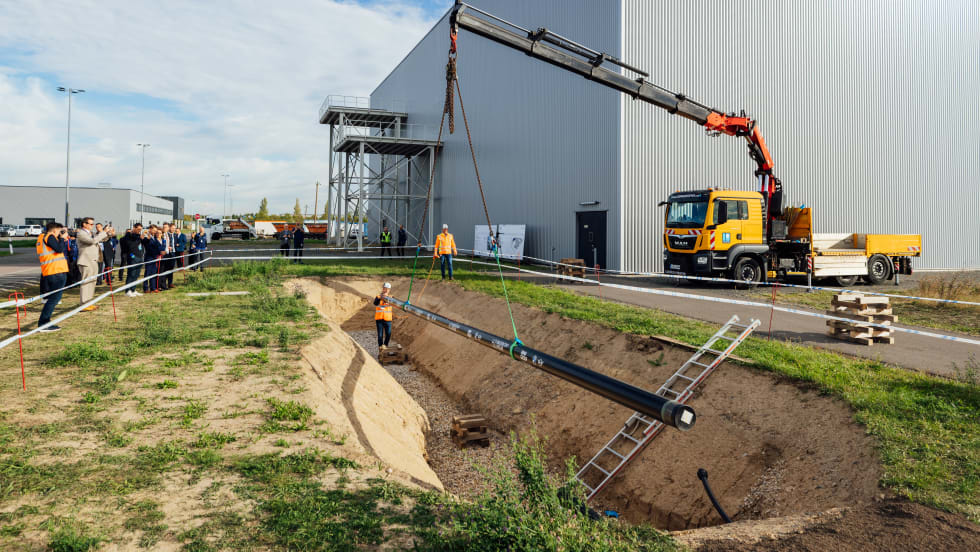
BMW Plant Pursues Cleaner Energy
BMW Group Plant Leipzig has utilized hydrogen to help power its production since 2013, but a new pipeline is planned to take it to another level.
Read More →
Auto Affordability Inches Up
The latest Cox Automotive and Moody’s Analytics index shows a slight increase in new-vehicle affordability despite high prices.
Read More →
Ohio Auto Group Under New Ownership
After 79 years with the Schluter family, Mansfield Auto Group has been acquired by Missouri-based Clement Auto Group.
Read More →
RV Group Expands Carolina Footprint
Blue Compass RV Columbia Northeast is the 13th RV dealership owned by Blue Compass in the Carolinas.
Read More →
Agent Acumen
An Agent Summit panel of people who’ve been supporting auto dealers for years gave both timely and timeless advice for those starting out or mulling the prospect.
Read More →