



Cheney Disagreed with Bush on GM Bailout

WASHINGTON — Former Vice President Dick Cheney says he opposed the decision to save General Motors Corp. from collapse in December 2008.
In a new memoir, "In My Time," published Tuesday by Simon & Schuster, Cheney says he disagreed with President George W. Bush's decision to rescue GM with a $13.4 billion bailout in the final days of his term, reported The Detroit News.
"The president decided that he did not want to pull the plug on General Motors as we were headed out the door," Cheney wrote. "Although I understood the reasoning, I would have preferred that the government not get involved and was disappointed — but not surprised — when the Obama administration significantly increased the government intervention in the automobile industry shortly after taking office."
Bush wanted "to give the incoming team time to decide on their policy options and therefore came up with a short-term package to keep GM afloat."
Cheney makes no mention of Bush's decision to also rescue Chrysler LLC with a $4 billion bailout — though Cheney notes he had voted against the 1979 $1.5 billion loan guarantee for Chrysler Corp. while he was a House member. "I had continued throughout my career to be philosophically opposed to bailing out specific companies or industries," he wrote.
Cheney previously hadn't disclosed his opposition to the GM bailout. In June 2009, however, he told Fox News that the decision by the Obama administration to acquire a stake in GM as part of the bankruptcy bothered him. "I thought that, eventually, the right outcome was going to be bankruptcy," Cheney told Fox News.
GM spokesman Jay Cooney declined Tuesday to comment on Cheney's book.
Cheney supported the $700 billion Troubled Asset Relief Program initially designed to help struggling banks.
"Providing sufficient support to avoid the collapse of our banking system was something only the federal government could do. But, all things considered, companies in the private sector should be judged in the marketplace. Having the government intervene was not, in my opinion, a good idea."
With his presidency winding down in late December 2008, Bush agreed to a $17.4 billion bailout for GM and Chrysler. He also agreed to invest about $7.5 billion in GMAC and Chrysler Financial LLC.
Last November, Bush defended his decision to rescue GM and Chrysler, saying he "had to safeguard American workers and families from a widespread collapse."
In explaining his decision, Bush cited the significant economic toll that would have followed the automakers' collapse.
Bush said "the economy was extremely fragile, and my economic advisers had warned that the immediate bankruptcy of the Big Three could cost more than a million jobs, decrease tax revenues by $150 billion and set back America's GDP by hundreds of billions of dollars."
Cheney didn't address any of these arguments in his memoir.
Bush didn't mention Cheney's opposition in his memoir.
Obama ultimately agreed to another $60 billion bailout of the auto industry, and placed both GM and Chrysler in bankruptcy to restructure them.
This month, the Treasury Department raised the government's estimate of taxpayer losses because of the auto bailout by more than $400 million to $14.33 billion.
Overall, Treasury hiked its estimates, saying it will lose $36.7 billion on its $700 billion TARP bailout, including the value of some AIG shares.
More Industry

Ohio Auto Group Under New Ownership
After 79 years with the Schluter family, Mansfield Auto Group has been acquired by Missouri-based Clement Auto Group.
Read More →
RV Group Expands Carolina Footprint
Blue Compass RV Columbia Northeast is the 13th RV dealership owned by Blue Compass in the Carolinas.
Read More →
Agent Acumen
An Agent Summit panel of people who’ve been supporting auto dealers for years gave both timely and timeless advice for those starting out or mulling the prospect.
Read More →
Missed Maintenance Creates Opportunity
As families get back on the road and into daily school routines, service drives have an opportunity to capture customers who are behind on recommended vehicle maintenance.
Read More →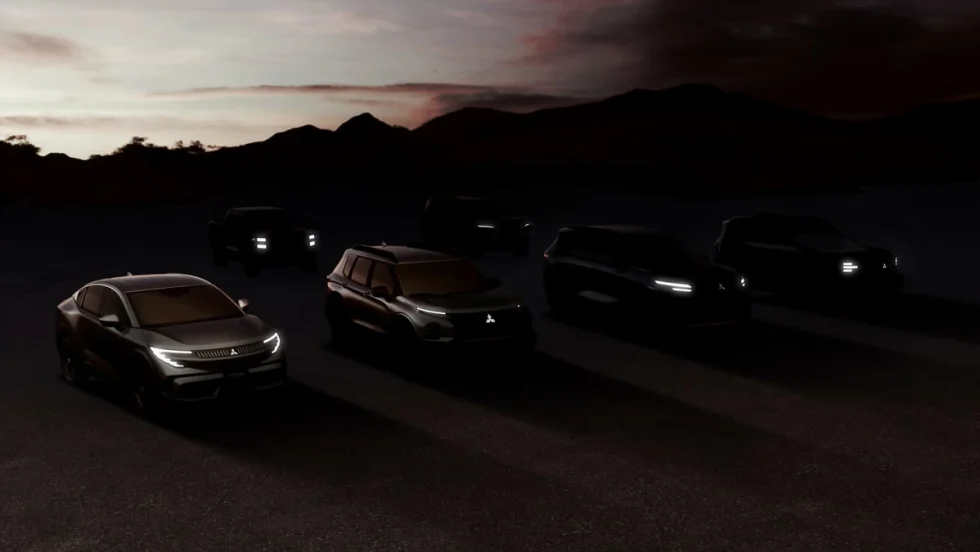
Mitsubishi Unveils U.S. Plan
The automaker announced a strategy that includes an expanded lineup and dealership presence, along with more ‘rugged’ and electric models.
Read More →
Selling to Grow
The question of whether you should sell your agency and if so, when, is up to you. But it’s a question worth asking to ensure you keep the business on the right path for yourself, employees and clients.
Read More →
Recalled Vehicles Hit 5-Year High
Though the number of events has fallen so far this year, impacted units are up significantly. Meanwhile, regulators consider consumer notification changes.
Read More →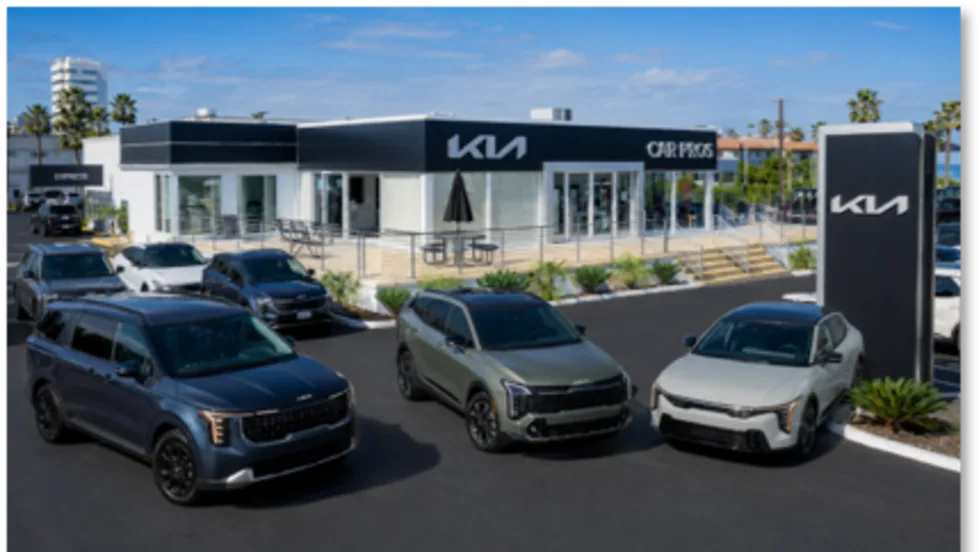
Auto Group Acquires Top-Performing Rooftop
Car Pros sold its Kia Huntington Beach location to Sutherlin Automotive Group, marking the buyer’s third location in Southern California.
Read More →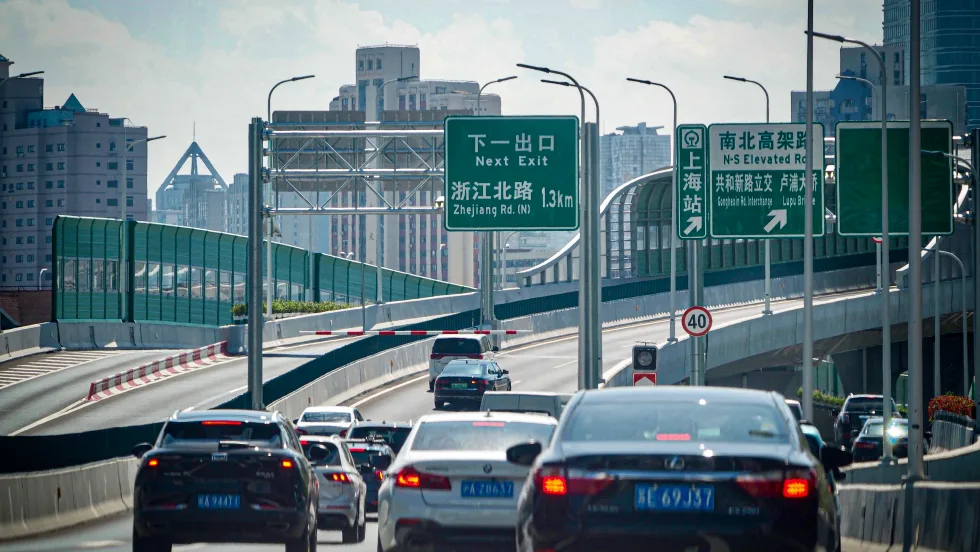
China as Pacesetter
Automotive leaders huddled on where North America stands in the global picture and how it can strengthen its position against the Asian juggernaut’s surging industry.
Read More →
BMW Concept Car Makes Fuel to Burn
The prototype developed in concert with a South Carolina university engineering team generates more solar energy than it uses in a typical daily commute.
Read More →