



CFPB Abandons Name Change Following Mulvaney Departure
An internal memo from the Consumer Financial Protection Bureau’s new director confirms the agency will not complete the renaming process that began under recently departed acting director Mick Mulvaney.

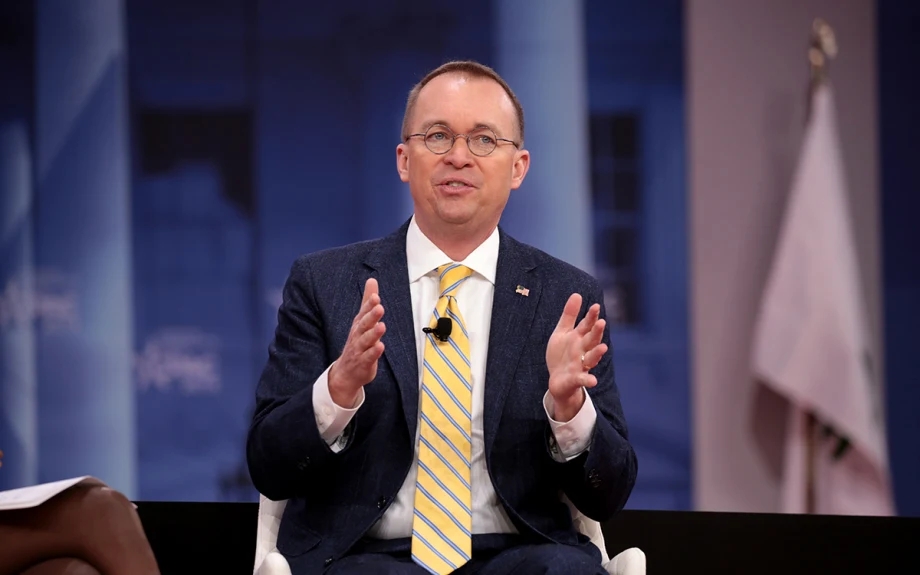
Former acting director Mick Mulvaney’s quest to change the Consumer Financial Protection Bureau’s name has ended with an internal memo sent by the agency’s new chief.
Photo by Gage Skidmore via Flickr
WASHINGTON — In her first official act as director of the U.S. Consumer Financial Protection Bureau, Kathy Kraninger has informed staff that the agency will no longer seek to enforce a name change initiated by her predecessor, Mick Mulvaney, who left the bureau to serve as White House chief of staff.
“As of December 17, 2018, I have officially halted all ongoing efforts to make changes to existing products and materials related to the name correction initiative,” Kraninger wrote in an email, adding that “we have a legal name but will be using our colloquial name and the branded acronym ‘CFPB.’ Many of us have legal names but use nicknames without much confusion. My birth certificate says Kathleen, but I also answer to Kathy. I think we can do the same here. I believe this decision is most efficient and effective for our continued work together.”
Kraninger was confirmed by Senate vote as the CFPB’s new director on Dec. 6. Mulvaney was appointed acting director by President Donald Trump in November 2017, following the resignation of Richard Cordray. Mulvaney, who would lead a rollback of the CFPB’s jurisdiction over auto finance sources, pledged to change the agency’s name to the “Bureau of Consumer Financial Protection,” claiming that was the intent of the 2010 Dodd-Frank Act that created it.
On the same day Kraninger’s memo was sent, Sen. Elizabeth Warren (D.-Mass.) called for an investigation into the name change in an open letter to Mark Bialek, who serves as inspector general for the CFPB and the Federal Reserve. Citing public records uncovered by The Hill, Warren wanted to know why the change, which was estimated to cost the agency up to $19 million and collectively cost affected finance companies up to $300 million, was undertaken without a cost-benefit analysis.
“The failure to justify the name change, combined with the failure to follow basic procedural rules, the wasteful expenditures, and the confusing implementation suggest a serious breakdown in the policymaking process at the CFPB,” she wrote, in part.
Originally posted on F&I and Showroom
More Industry
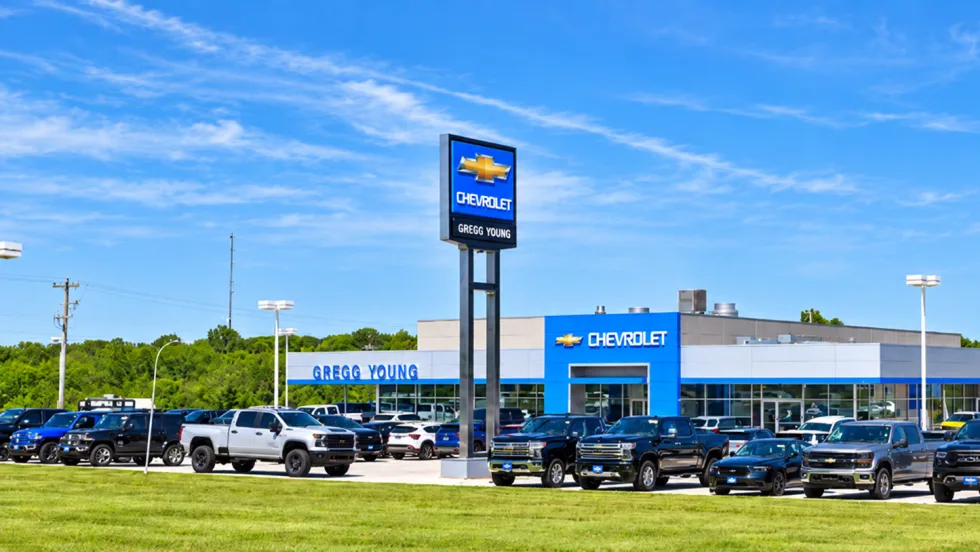
Nebraska Rooftop Changes Hands
The Gregg Young Automotive Group has sold its second dealership to Janssen Auto Group, both in Plattsmouth, Neb.
Read More →
Penske Auto Group Deal a Record
The deal to take the dealership and transportation services company private sets a new pace for industry buy-sell transactions.
Read More →
War Toll a Damper on Used Auto Prices
Cox Automotive found wholesale depreciation to be elevated in September amid high fuel prices and this year's unusual hurricane season.
Read More →
Bridge the Maintenance Gap
With many drivers missing recommended maintenance, service departments offering transparency and efficiency have a better chance of reaching financially strained consumers.
Read More →
California Store Has New Owner
The longtime dealership in the northern part of the state is known for robust fleet sales and has served the state capital for 115 years.
Read More →
BMW Plant Pursues Cleaner Energy
BMW Group Plant Leipzig has utilized hydrogen to help power its production since 2013, but a new pipeline is planned to take it to another level.
Read More →
Auto Affordability Inches Up
The latest Cox Automotive and Moody’s Analytics index shows a slight increase in new-vehicle affordability despite high prices.
Read More →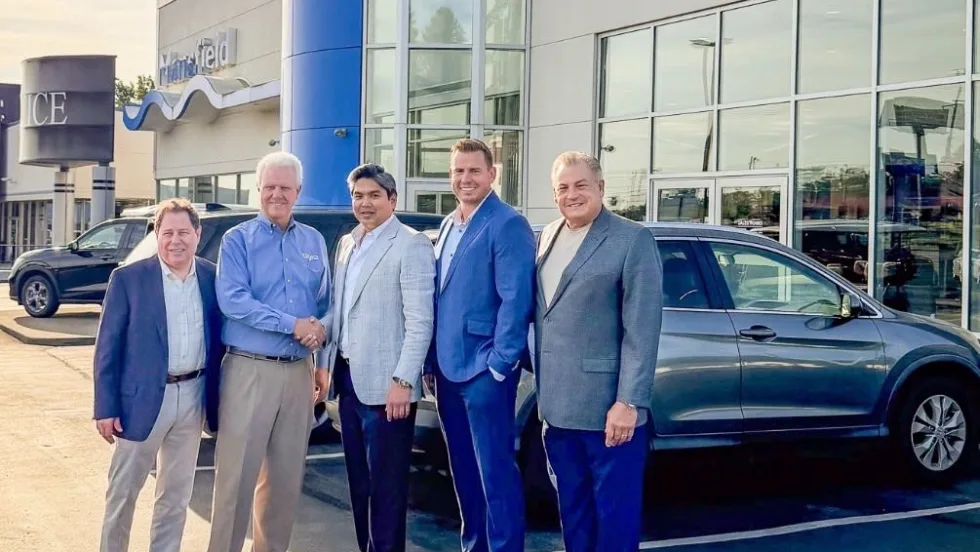
Ohio Auto Group Under New Ownership
After 79 years with the Schluter family, Mansfield Auto Group has been acquired by Missouri-based Clement Auto Group.
Read More →
RV Group Expands Carolina Footprint
Blue Compass RV Columbia Northeast is the 13th RV dealership owned by Blue Compass in the Carolinas.
Read More →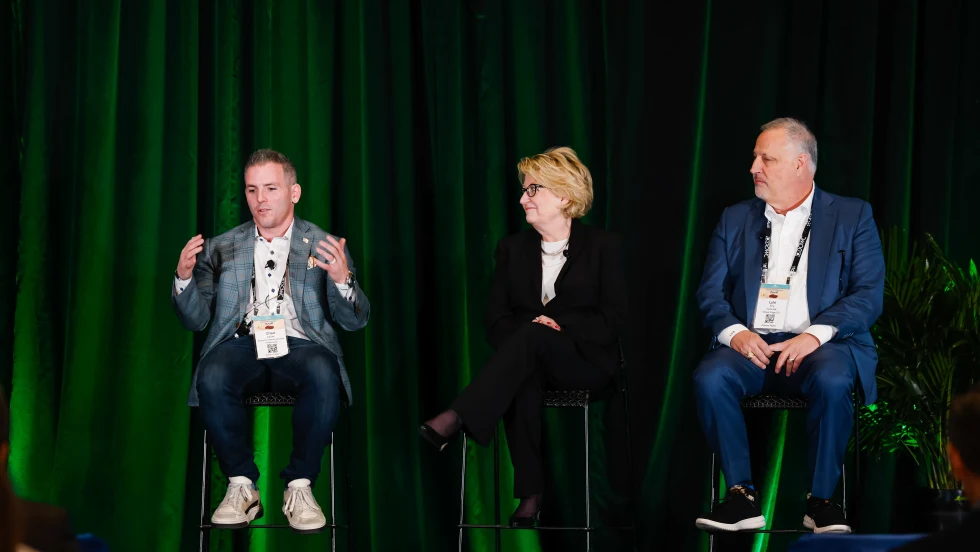
Agent Acumen
An Agent Summit panel of people who’ve been supporting auto dealers for years gave both timely and timeless advice for those starting out or mulling the prospect.
Read More →