



CARS Rule Inoperable
Court kills car-shopping rule in surprise win for an industry that dreaded it.


The 2-1 decision hinged on a technicality, that the commission failed to give advance notice of rule-making for the proposal.
Pexels/Alexander Kovalev
The Federal Trade Commission’s much-reviled and dreaded car-shopping rule was struck down in court Monday in a decision that came as a surprise to many auto retailers who considered the regulation a foregone conclusion.
The split U.S. appellate court ruling siding with the national and Texas automobile dealer associations will likely stand since the FTC is now under the regulatory-light Trump administration, which isn’t expected to appeal it.
The 2-1 decision hinged on a technicality, that the commission failed to give advance notice of rule-making for the proposal.
The rule, which originally was scheduled to take effect last July, was designed to add clarity to the car shopping and buying experience for consumers by prohibiting bait-and-switch practices, outlawing nonbeneficial add-ons, and getting buyers’ express, informed consent before charging them.
Auto industry legal experts argued that the practices it aimed to eliminate were already illegal, but most believed the regulation would survive the court challenge, even if only in a watered-down form.
The CARS Rule, short for Combating Auto Retail Scams, would have imposed what the auto industry considered onerous, expensive documentation and other requirements and brought large fines for failure to comply.
The National Automobile Dealers Association, which sued the FTC over the rule along with the Texas Automobile Dealers Association, celebrated the court win just days after its annual industry show concluded in New Orleans, calling it “a victory for the rule of law and a great outcome for consumers.”
NADA President and CEO Mike Stanton called the rule “rushed, poorly researched, and unnecessary” and said it “would have added massive amounts of time, complexity, paperwork and cost to the car-buying and car-shopping experience for virtually every customer.”
2025 REGULATION OUTLOOK: Transmogrification
Originally posted on F&I and Showroom
More Industry

RV Group Expands Carolina Footprint
Blue Compass RV Columbia Northeast is the 13th RV dealership owned by Blue Compass in the Carolinas.
Read More →
Agent Acumen
An Agent Summit panel of people who’ve been supporting auto dealers for years gave both timely and timeless advice for those starting out or mulling the prospect.
Read More →
Missed Maintenance Creates Opportunity
As families get back on the road and into daily school routines, service drives have an opportunity to capture customers who are behind on recommended vehicle maintenance.
Read More →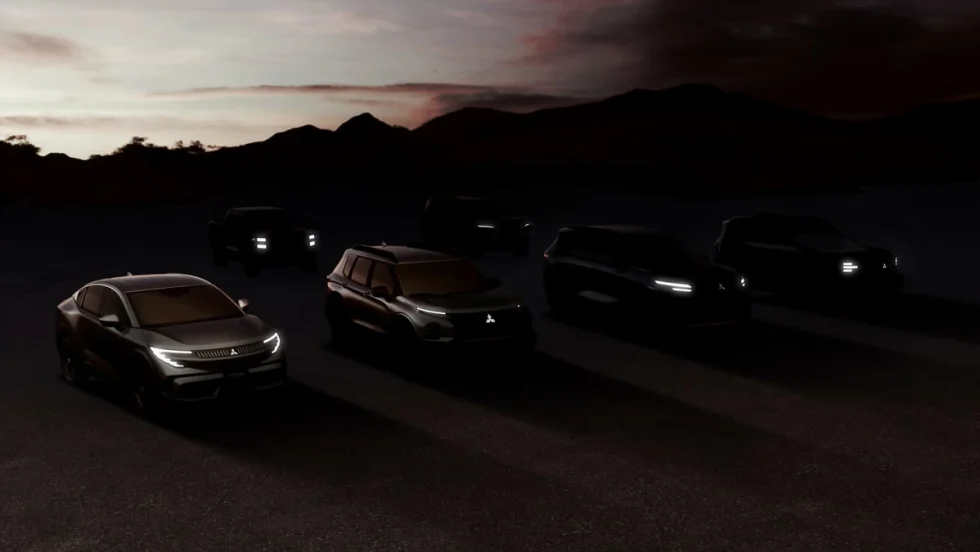
Mitsubishi Unveils U.S. Plan
The automaker announced a strategy that includes an expanded lineup and dealership presence, along with more ‘rugged’ and electric models.
Read More →
Selling to Grow
The question of whether you should sell your agency and if so, when, is up to you. But it’s a question worth asking to ensure you keep the business on the right path for yourself, employees and clients.
Read More →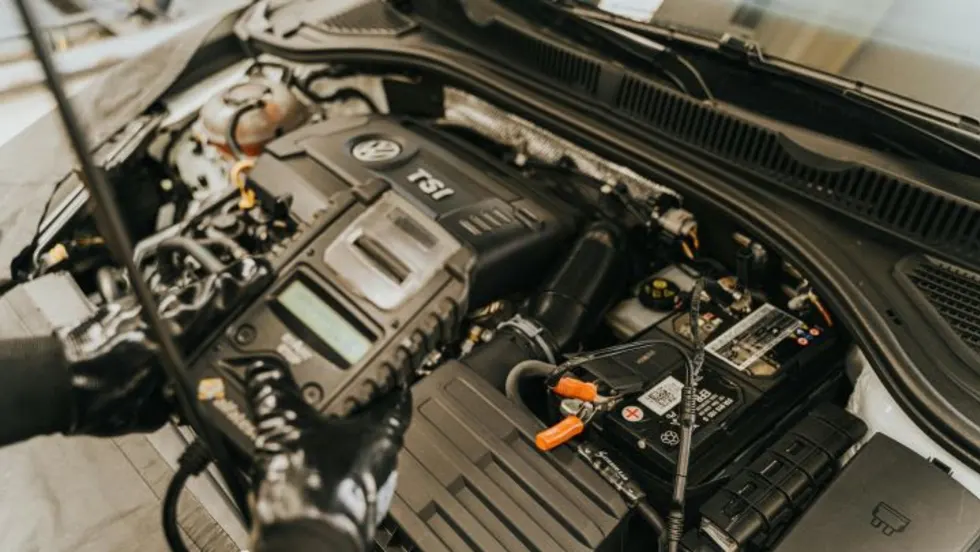
Recalled Vehicles Hit 5-Year High
Though the number of events has fallen so far this year, impacted units are up significantly. Meanwhile, regulators consider consumer notification changes.
Read More →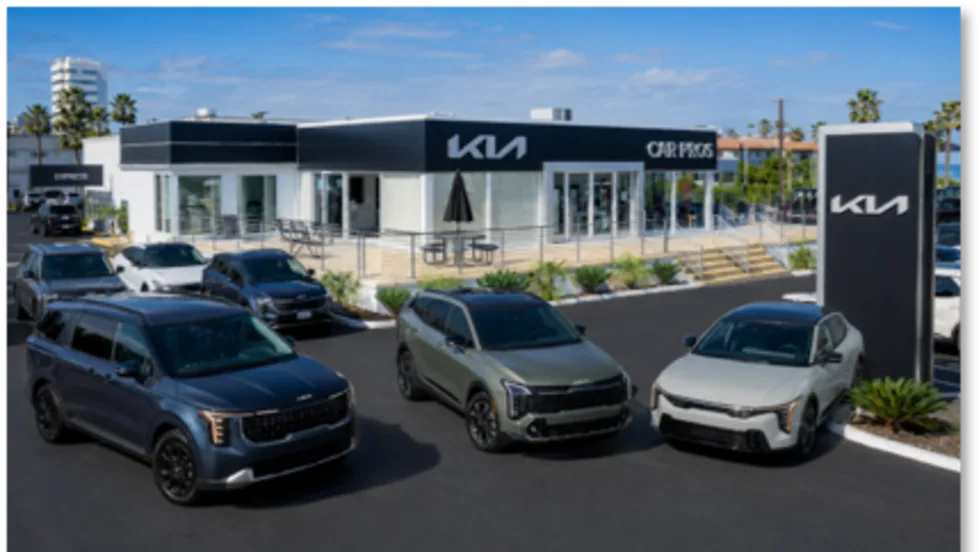
Auto Group Acquires Top-Performing Rooftop
Car Pros sold its Kia Huntington Beach location to Sutherlin Automotive Group, marking the buyer’s third location in Southern California.
Read More →
China as Pacesetter
Automotive leaders huddled on where North America stands in the global picture and how it can strengthen its position against the Asian juggernaut’s surging industry.
Read More →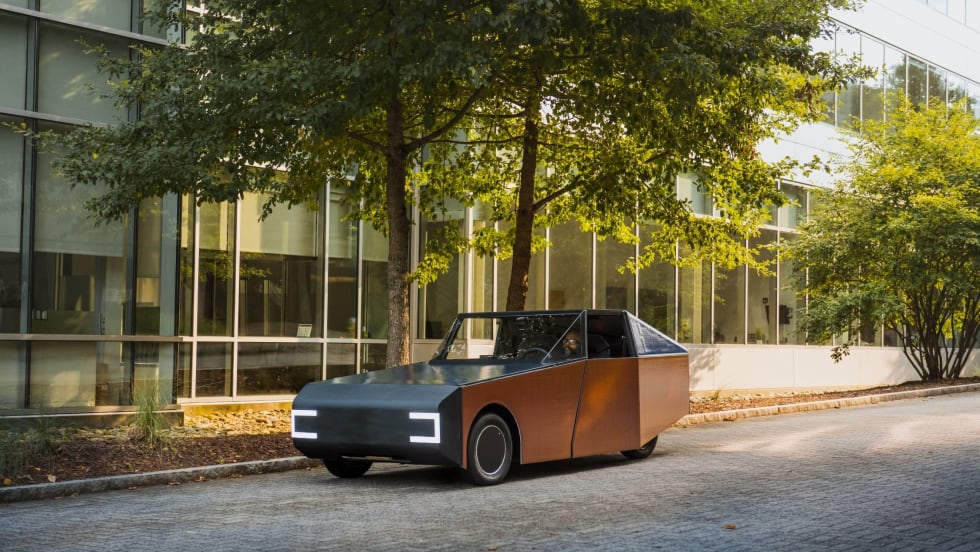
BMW Concept Car Makes Fuel to Burn
The prototype developed in concert with a South Carolina university engineering team generates more solar energy than it uses in a typical daily commute.
Read More →
South Carolina Auto Group Downsizes
Florida-based group Holler-Classic has acquired four rooftops, its first in South Carolina, from Dick Smith Automotive Group.
Read More →