



Car Prices Are Rising After Years of Staying Flat

DETROIT - Automakers have been stepping up their discount lease offers, rebates and no-interest loans in response to a wave of new incentives from recall-plagued Toyota Motor, reported Forbes. The deals have triggered a big bounce in sales at U.S. dealerships, which are expected to be up 23 percent for the month, according to J.D. Power & Associates. "The industry has been recharged by incentive offers from Toyota and other automakers," observed Edmunds.com Senior Analyst Jessica Caldwell. "There is a lot of money in the marketplace right now, and people are responding." But the discounts are likely temporary and won't change the fact that overall, vehicle prices have been increasing in recent months after several years of stagnation. The big reason is that carmakers are doing a better job of aligning their production with lower consumer demand. With leaner inventories, they've been able to use more restraint when it comes to profit-sapping incentives (that is, until the Toyota crisis popped up). A strong used-car market has also helped prop up prices for new cars. The average selling price for a typically equipped new vehicle in January was $29,404, up from an average of about $28,100 for the same month during the previous three years, according to Edmunds.com. Though sticker prices were increasing between 2006 and 2009, so were incentives, keeping the average transaction price essentially flat. But in January 2010 average incentives fell $368 compared with the prior January, while the average manufacturer's suggested retail price kept climbing, to $31,039. (To best reflect price trends, Edmunds.com bases its calculations on sales volume, including the mix of vehicle makes and models for each month, as well as on the proportion of vehicles for which each type of incentive was used.) Gradual price increases, of course, are natural, especially when a car is redesigned or new equipment is added. And many consumers have gravitated toward models with bells and whistles that cost more, like in-car entertainment systems, navigation systems and fuel-saving turbo-charged engines. Still, an analysis of February sales data by Edmunds.com shows that some carmakers have been able to hike prices more than others. Ford Motor, for instance, riding a wave of goodwill from its refusal to seek a government bailout, was able to reposition its redesigned 2010 Taurus sedan and raise the car's average selling price by $6,200. Before the redesign the Taurus had been relegated to rental car lots, fetching an average $25,247. After the redesign, which added loads of new technology, a typical Taurus now sells for $31,458, an increase of nearly 25 percent. Ford also raised prices on several of its Mercury brand vehicles by eliminating lower-end style levels. The typical Mercury Mariner crossover, for instance, now sells for about $4,000 more after Ford dropped the entry-level four-cylinder engine. The Mercury Mountaineer SUV now sells for an average $36,131, or about $5,500 more than the 2009 version, after Ford dropped lower-level styles for the 2010 model year. Ford's Lincoln MKZ sedan now sells for 20 percent more after a minor freshening for 2010 that included fuel economy improvements. Its average selling price is now $38,562, up more than $6,400 over the 2009 MKZ. General Motors has enjoyed similar pricing power. When GM launched a sleekly redesigned version of its Buick Lacrosse recently, the average transaction price rose $4,890, or nearly 18 percent over its predecessor. The typically equipped 2010 Lacrosse now sells for $32,521. GM was also able to raise prices substantially on some of its vehicles by introducing new, better-equipped styles for 2010. The typical Chevrolet Suburban is fetching $51,383, or 21 percent more than the 2009 model, after GM made it easier to buy popular features such as remote vehicle start, adjustable pedals and rear parking assist. The Cadillac STS also has more available features and is selling for $49,106, or $3,770 more than the 2009 version.
More Industry

Penske Auto Group Deal a Record
The deal to take the dealership and transportation services company private sets a new pace for industry buy-sell transactions.
Read More →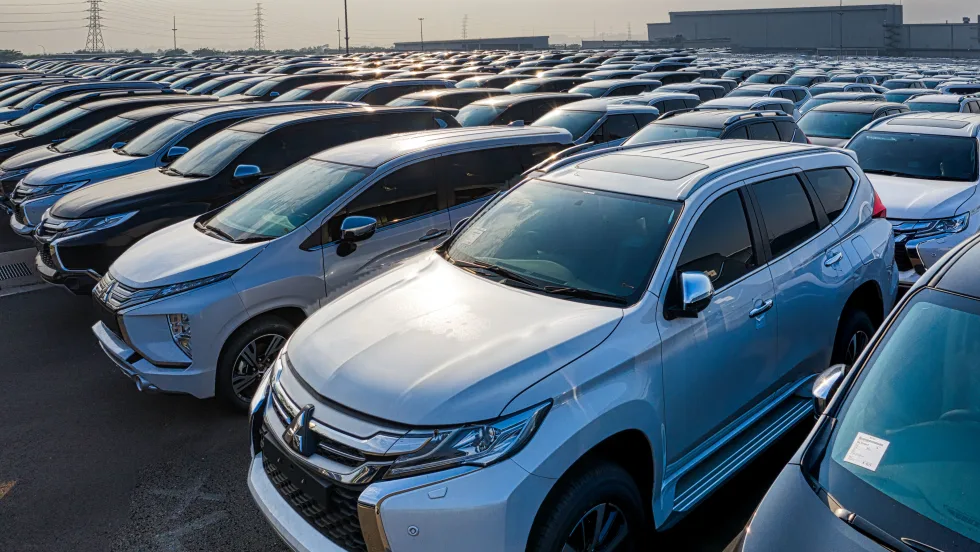
War Toll a Damper on Used Auto Prices
Cox Automotive found wholesale depreciation to be elevated in September amid high fuel prices and this year's unusual hurricane season.
Read More →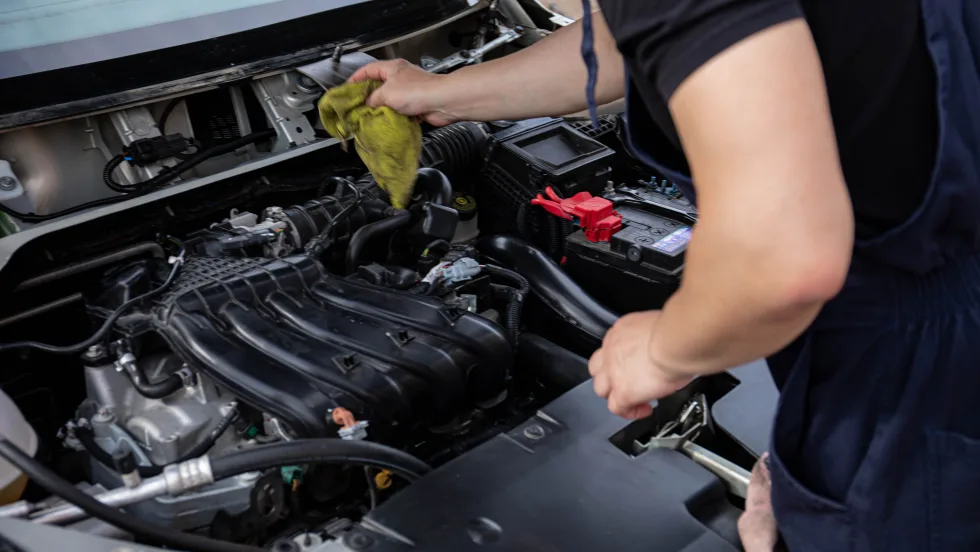
Bridge the Maintenance Gap
With many drivers missing recommended maintenance, service departments offering transparency and efficiency have a better chance of reaching financially strained consumers.
Read More →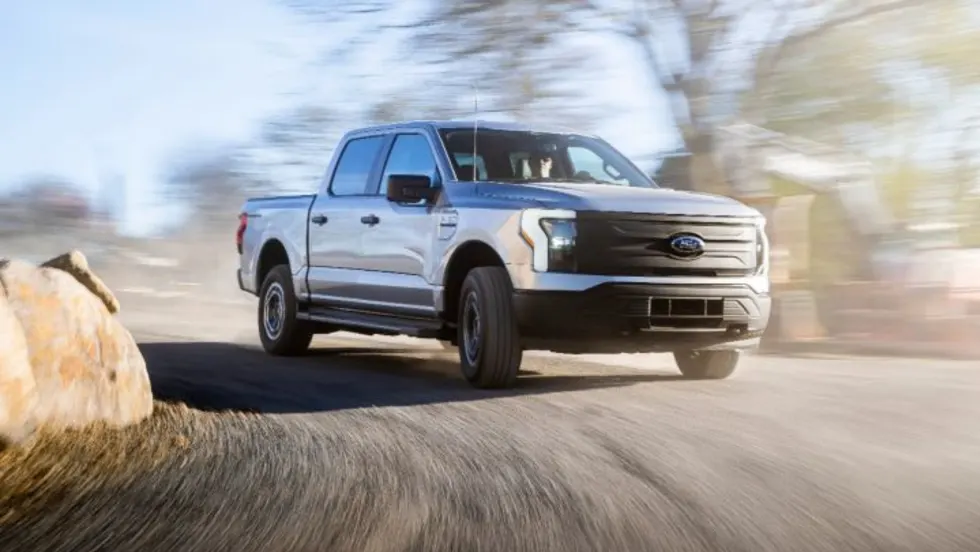
California Store Has New Owner
The longtime dealership in the northern part of the state is known for robust fleet sales and has served the state capital for 115 years.
Read More →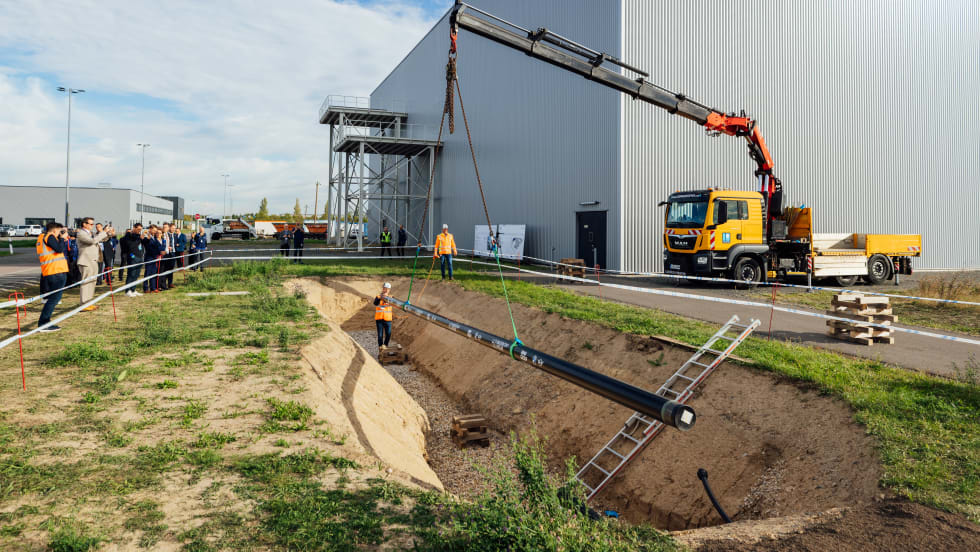
BMW Plant Pursues Cleaner Energy
BMW Group Plant Leipzig has utilized hydrogen to help power its production since 2013, but a new pipeline is planned to take it to another level.
Read More →
Auto Affordability Inches Up
The latest Cox Automotive and Moody’s Analytics index shows a slight increase in new-vehicle affordability despite high prices.
Read More →
Ohio Auto Group Under New Ownership
After 79 years with the Schluter family, Mansfield Auto Group has been acquired by Missouri-based Clement Auto Group.
Read More →
RV Group Expands Carolina Footprint
Blue Compass RV Columbia Northeast is the 13th RV dealership owned by Blue Compass in the Carolinas.
Read More →
Agent Acumen
An Agent Summit panel of people who’ve been supporting auto dealers for years gave both timely and timeless advice for those starting out or mulling the prospect.
Read More →
Missed Maintenance Creates Opportunity
As families get back on the road and into daily school routines, service drives have an opportunity to capture customers who are behind on recommended vehicle maintenance.
Read More →