



Car Insurance Will Keep Rising
Forecaster expects continued rate increases, though smaller ones, this year.

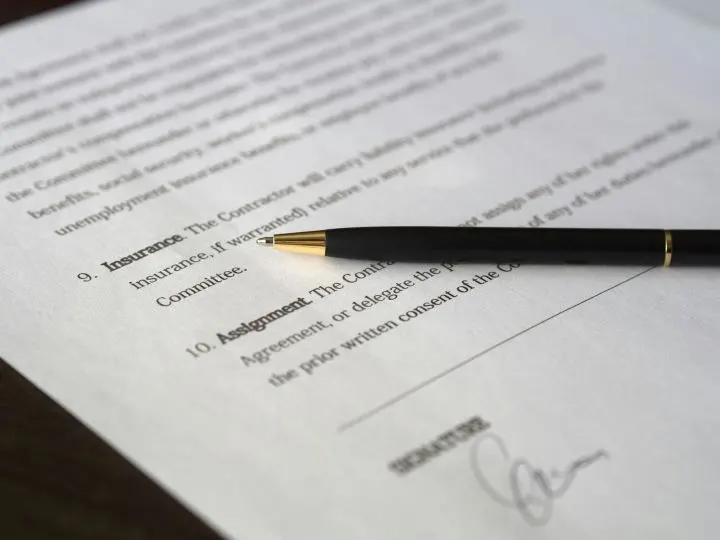
Rate increases are the result of rising car repair costs, inflation, and growing weather risks, Insurify said.
Pexels/Pixabay
Car insurance rates are expected to continue to rise this year, though at a slower pace.
Rates climbed 15% across the country last year and have jumped a cumulative 42% since 2022, according to insurance comparison-shopping website Insurify, which forecasts a 5% rate increase this year to a national average full-coverage rate of $2,435 by year-end.
Some states will fare worse, New York and Florida experiencing double that, Georgia and Nevada with 8% increases, and Delaware a 7% jump.
Three lucky states should actually see rate decreases, Insurify predicts: Hawaii, New Hampshire and Vermont.
The rate increases, which have moved many consumers to shop around for better terms, are the result of rising car repair costs, inflation, and growing weather risks, such as hurricane flooding and wildfires, Insurify said.
It found that average insurance premiums tapered off in 21 states in the last half of 2024, but other states’ consumers faced steep increases.
For instance, those in Minnesota had rates on full-coverage policies rise 58% to an average annual premium of $2,524, and Maryland, which has the most expensive rates, saw a 53% jump to an average of $4,060.
Various factors influence a state’s insurance rates, Insurify pointed out, including traffic, vehicle thefts and weather patterns. Car thefts rose 63% in Maryland in 2023, the company said, citing National Insurance Crime Bureau data, contributing to its high-rate status.
New York, with its infamous traffic congestion and related high crash rates, could get some relief resulting from last year’s elimination of required photo inspections for new auto insurance policies, said Insurify, which speculates that the change could decrease the state’s number of uninsured drivers, thereby lowering insurance rates.
To get the best rates, Insurify recommends consumers get at least three quotes before taking out a policy or switching carriers.
Originally posted on Auto Dealer Today
More Industry
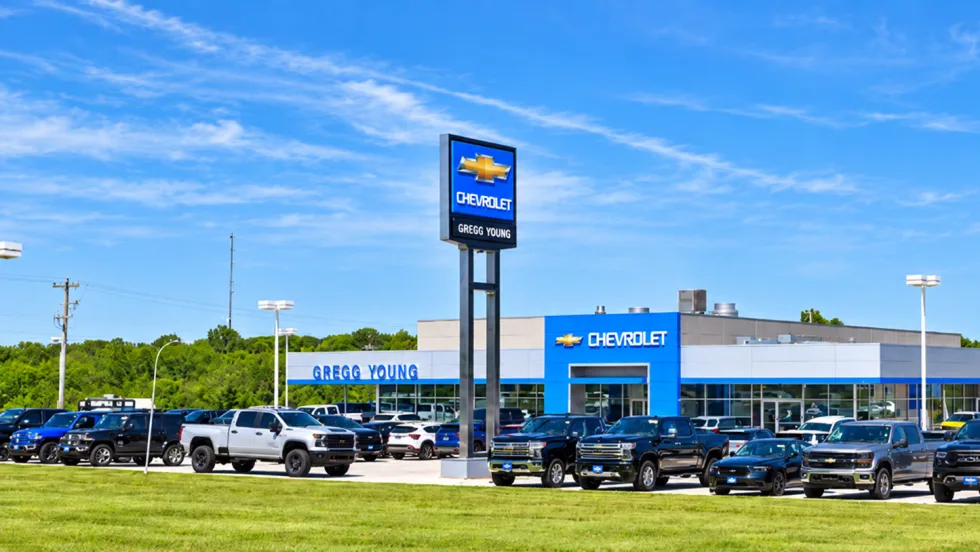
Nebraska Rooftop Changes Hands
The Gregg Young Automotive Group has sold its second dealership to Janssen Auto Group, both in Plattsmouth, Neb.
Read More →
Penske Auto Group Deal a Record
The deal to take the dealership and transportation services company private sets a new pace for industry buy-sell transactions.
Read More →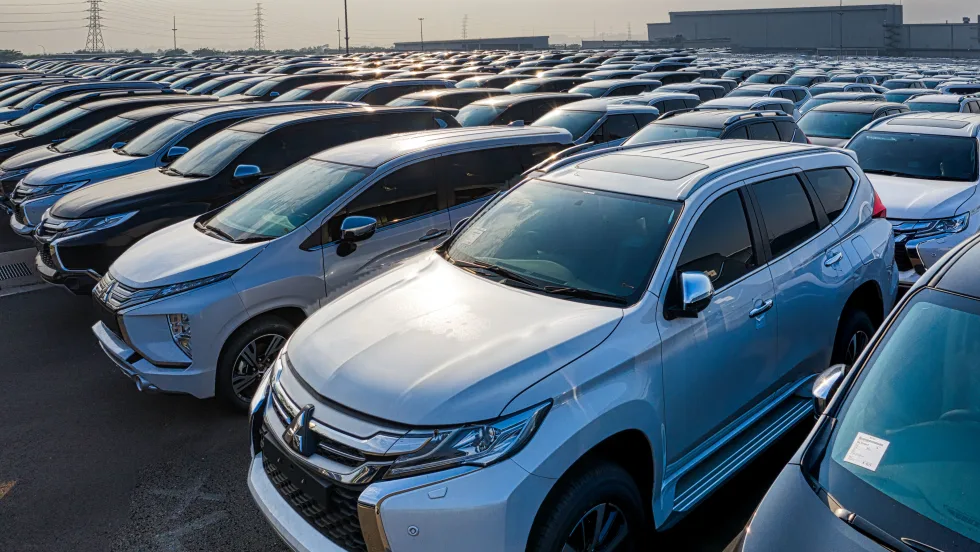
War Toll a Damper on Used Auto Prices
Cox Automotive found wholesale depreciation to be elevated in September amid high fuel prices and this year's unusual hurricane season.
Read More →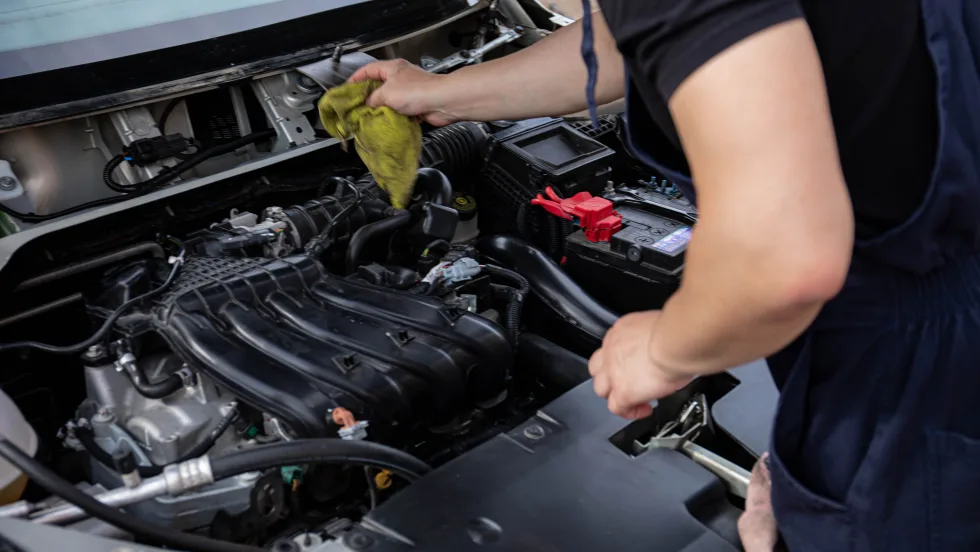
Bridge the Maintenance Gap
With many drivers missing recommended maintenance, service departments offering transparency and efficiency have a better chance of reaching financially strained consumers.
Read More →
California Store Has New Owner
The longtime dealership in the northern part of the state is known for robust fleet sales and has served the state capital for 115 years.
Read More →
BMW Plant Pursues Cleaner Energy
BMW Group Plant Leipzig has utilized hydrogen to help power its production since 2013, but a new pipeline is planned to take it to another level.
Read More →
Auto Affordability Inches Up
The latest Cox Automotive and Moody’s Analytics index shows a slight increase in new-vehicle affordability despite high prices.
Read More →
Ohio Auto Group Under New Ownership
After 79 years with the Schluter family, Mansfield Auto Group has been acquired by Missouri-based Clement Auto Group.
Read More →
RV Group Expands Carolina Footprint
Blue Compass RV Columbia Northeast is the 13th RV dealership owned by Blue Compass in the Carolinas.
Read More →
Agent Acumen
An Agent Summit panel of people who’ve been supporting auto dealers for years gave both timely and timeless advice for those starting out or mulling the prospect.
Read More →