



Buy-Sell Market Accelerates in Q3
Kerrigan Advisors finds buy/sell market hit a new high and is on track for another record year.


Kerrigan reported 313 transactions were completed in the third quarter— an 11% year-over-year increase.
IMAGE: Pexels
The auto dealership buy-sell market hit a new high in the third quarter and is on track for another record year, according to Kerrigan Advisors.
Its quarterly report shows 313 transactions were completed, up 11% year-over-year.
"The buy/sell market continues to show its strength in the third quarter, impervious to the rise in borrowing costs and declines in dealership earnings which remain historically high, and well above pre-pandemic averages," said Erin Kerrigan, founder and managing director of Kerrigan Advisors, in a press release.
According to the firm, auto retail has generated $235 billion in pretax profit since 2020, with a significant portion still uninvested in dealership acquisitions through the third quarter.
“As profits remain elevated, growing dealership groups are allocating that capital toward acquisitions," Kerrigan said. "Most are investing equity, rather than raising debt, and thus are less impacted by higher borrowing costs because of the rise in interest rates."
Despite more sellers entering the market, it remains a seller's market because of the surplus capital dealers have to acquire dealerships, especially in growth markets. On average, dealership valuations remain near peak levels, about two times prepandemic values, though slightly lower than 2022, the release noted.
"It is important to keep in mind that dealership valuations do not rise and fall in lockstep with industry earnings. When earnings soared in 2021, buyers assumed they would come back down to earth and took that into account when buying stores," Kerrigan said. "As earnings start to normalize in 2023 and 2024, the impact has already been baked into valuations and thus the decline in current earnings is not having a meaningful impact on valuations, as the decline has long been assumed."
The report also shows multidealership transactions reached record levels, with 99 transactions representing almost a third of the buy-sell market, reflecting the industry's emphasis on consolidation and scale.
"The strength of this trend reflects the auto retail’s adaptation to the evolving marketplace where size will be an imperative to future success both on a market and group level," said Kerrigan.
In the fifth annual Kerrigan Dealer Survey, the number of dealers looking to sell dealerships increased by over 200% this year, while those looking to acquire fell by 18%.
Kerrigan Advisors attributed the rise in dealerships for sale to upcoming changes in auto retail, demanding larger balance sheets, and investments in digital retailing for electric vehicles. According to the survey, 27% of dealers expect a decline in their business value within the next year.
"In an evolving auto retail environment, dealers are facing a crossroads to either grow their enterprise or exit," Kerrigan said in a press release. "With franchise valuations still above pre-pandemic levels, and dealers concerned that blue sky values could decline if profit margins normalize, more are capitalizing on today’s blue sky rather than assuming the risks associated with growth, particularly in an industry facing tremendous change because of government-mandated electric vehicles."
The report noted that U.S. public auto retailers' acquisition spending on U.S. dealerships dropped by 26% year-over-year to $1.1 billion through the third quarter, while their spending on international and other business acquisitions surged by 165.
"This is a clear sign that the publics are assessing their growth strategy, not only through U.S. dealership acquisitions but also in relation to the evolving global auto retail marketplace," Kerrigan said. "Their allocation to alternative investments, such as foreign dealership groups, financial services companies and technology solutions is a reminder of the multiple options available to the largest groups in the industry. The publics can, and will, invest in the most economically attractive opportunities for their shareholders and are making these investments with the changing auto retail marketplace in mind."
Originally posted on Auto Dealer Today
More Industry
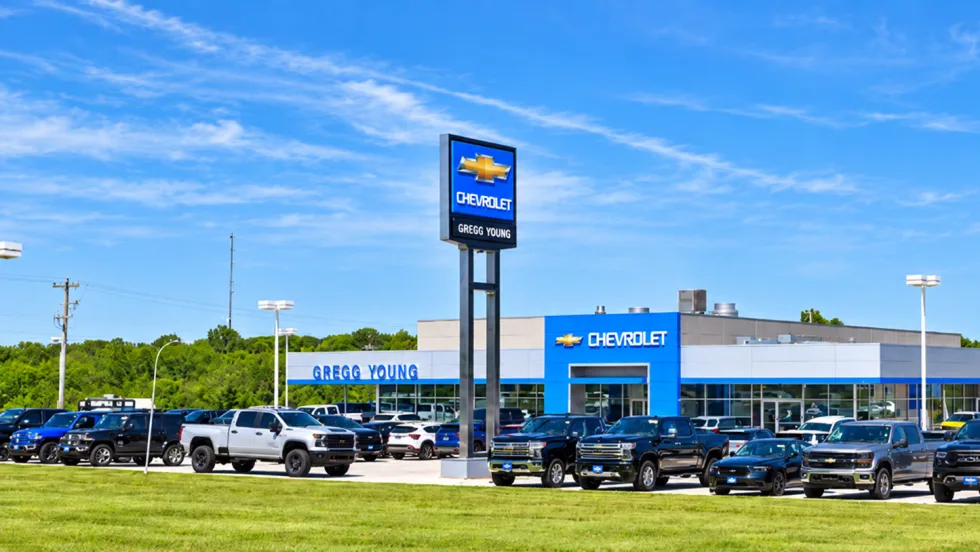
Nebraska Rooftop Changes Hands
The Gregg Young Automotive Group has sold its second dealership to Janssen Auto Group, both in Plattsmouth, Neb.
Read More →
Penske Auto Group Deal a Record
The deal to take the dealership and transportation services company private sets a new pace for industry buy-sell transactions.
Read More →
War Toll a Damper on Used Auto Prices
Cox Automotive found wholesale depreciation to be elevated in September amid high fuel prices and this year's unusual hurricane season.
Read More →
Bridge the Maintenance Gap
With many drivers missing recommended maintenance, service departments offering transparency and efficiency have a better chance of reaching financially strained consumers.
Read More →
California Store Has New Owner
The longtime dealership in the northern part of the state is known for robust fleet sales and has served the state capital for 115 years.
Read More →
BMW Plant Pursues Cleaner Energy
BMW Group Plant Leipzig has utilized hydrogen to help power its production since 2013, but a new pipeline is planned to take it to another level.
Read More →
Auto Affordability Inches Up
The latest Cox Automotive and Moody’s Analytics index shows a slight increase in new-vehicle affordability despite high prices.
Read More →
Ohio Auto Group Under New Ownership
After 79 years with the Schluter family, Mansfield Auto Group has been acquired by Missouri-based Clement Auto Group.
Read More →
RV Group Expands Carolina Footprint
Blue Compass RV Columbia Northeast is the 13th RV dealership owned by Blue Compass in the Carolinas.
Read More →
Agent Acumen
An Agent Summit panel of people who’ve been supporting auto dealers for years gave both timely and timeless advice for those starting out or mulling the prospect.
Read More →