



AutoNation Cites Economy in Pay Freeze as Company Excels

Mike Jackson, chief executive officer of AutoNation Inc., says the largest U.S. auto dealer is stronger than ever. What's not strong in his view is the U.S. economy, and that's why he's telling workers they won't see higher paychecks anytime soon.
"We have a fragile recovery that's under way, which means if you introduce anything into it that's disruptive, it's going to knock it off its pace," Jackson, 62, said in a recent interview.
Jackson, a member of the Federal Reserve Board, has seen all manner of recoveries in his 37 years in the industry, and this one is languishing, reported The Detroit News. Light-vehicle sales rose less than 1 percent in July, researcher Autodata Corp. said last week, spurring JPMorgan Chase & Co. to reduce estimates for 2011 and 2012 by a combined 700,000 vehicle sales.
It's telling of the bind the U.S. economy is in that AutoNation, which earned an investment-grade rating from Standard & Poor's last month, isn't ready to reinstate pay raises or 401(k) matches that were stopped as emergency measures during the slide. Companies and consumers are each waiting for the other to start spending, keeping growth at a stall speed.
"You're seeing wage gains, you're seeing job growth, but it's all very muted simply because there's not a lot of demand out there," said John Canally, an economist and investment strategist at Boston-based LPL Financial Corp., which oversees $340.8 billion in assets. "Businesses can hire if there's more demand, but there can't be more demand unless businesses hire."
The March 11 earthquake and tsunami raised further challenges for AutoNation. Japanese automakers, which lost output of more than 2.3 million vehicles to the natural disasters, built more than half of the new vehicles sold last year by AutoNation.
The retailer, which is more than 72 percent held by billionaires Edward Lampert and Bill Gates and their affiliated funds, raised prices, built inventory of used cars and emphasized parts and services to counter lower supply of Toyota Motor Corp. and Honda Motor Co. cars and trucks.
"A decline in new-vehicle sales effectively gives you, as a dealer, the opportunity to generate more parts-and-service revenue because consumers aren't purchasing new vehicles," Brian Sponheimer, an analyst with Gabelli & Co. in Rye, New York, said in a phone interview. "Dealer groups are built to withstand moves in consumer spending because of this."
AutoNation's post-quake, second-quarter net income climbed 52 percent to $71.9 million from $47.2 million a year earlier, the company said July 27. The post-Japan operating plan was followed in Atlanta.
Atlanta-region sales during the quarter plunged 24 percent, compared with a 4 percent drop in new-vehicle deliveries for the entire company. Store profit still improved 23 percent in the three months, exceeding the parent's 18 percent gain as used sales and profit per new vehicle sold increased.
Jeff Sawyer, general manager of Georgia's largest Toyota dealership, said inventory on his lot slipped to as few as 250 new vehicles from the usual stock of as much as 600.
"It's starting to come back in the other direction," said Sawyer, an AutoNation dealer whose Team Toyota Mall of Georgia is in Buford, about 35 miles northeast of Atlanta.
Improved inventories will help the seasonally adjusted annual rate for U.S. light-vehicle sales get back to 13 million in the late months of 2011, AutoNation projects. That will help the industry reach about 12.6 million deliveries this year, according to the company, up from 11.6 million in 2010.
"I still believe we're going to have a nice, solid close to the year, but August will be a little bit difficult and probably early September as we refill inventories," Maroone, the COO, said in an interview. "As soon as those are full, you'll see a different posture on incentives and marketing" by automakers.
More Industry
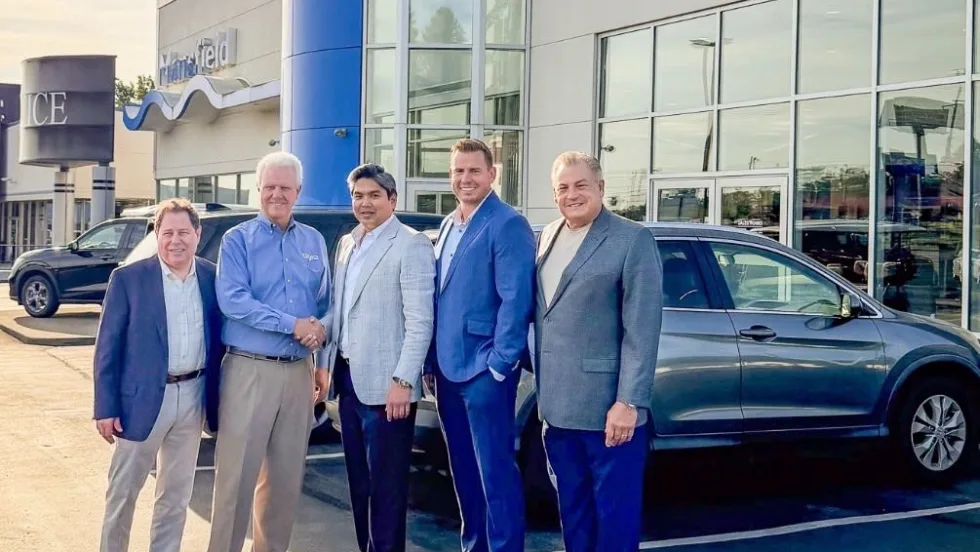
Ohio Auto Group Under New Ownership
After 79 years with the Schluter family, Mansfield Auto Group has been acquired by Missouri-based Clement Auto Group.
Read More →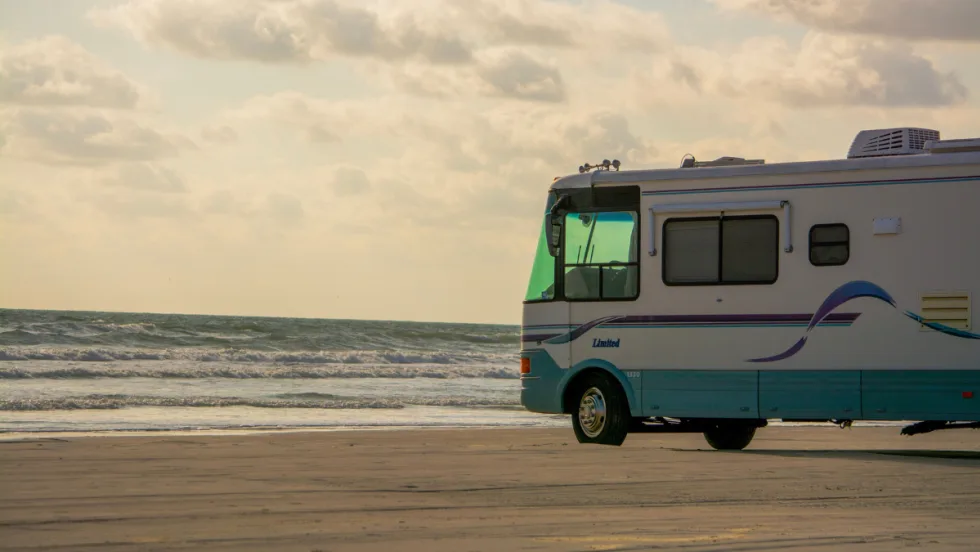
RV Group Expands Carolina Footprint
Blue Compass RV Columbia Northeast is the 13th RV dealership owned by Blue Compass in the Carolinas.
Read More →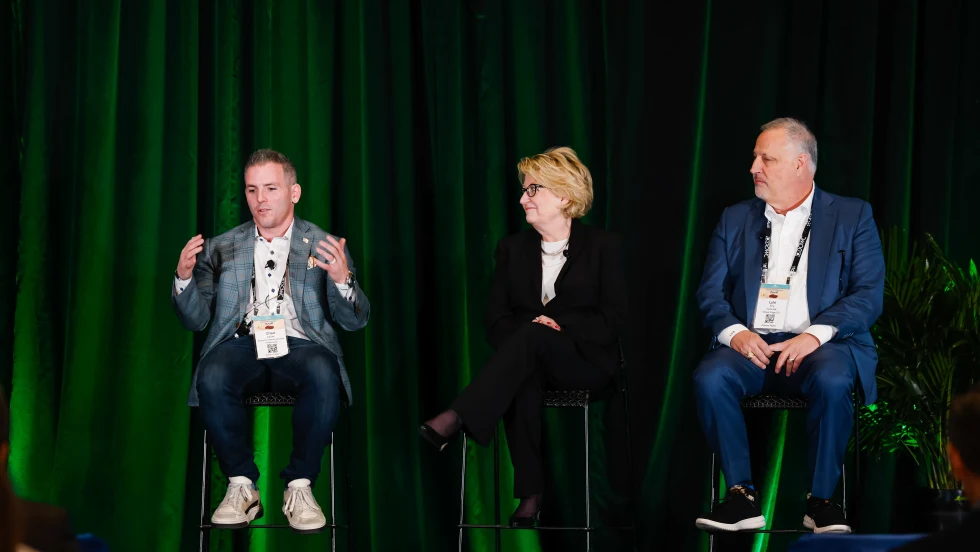
Agent Acumen
An Agent Summit panel of people who’ve been supporting auto dealers for years gave both timely and timeless advice for those starting out or mulling the prospect.
Read More →
Missed Maintenance Creates Opportunity
As families get back on the road and into daily school routines, service drives have an opportunity to capture customers who are behind on recommended vehicle maintenance.
Read More →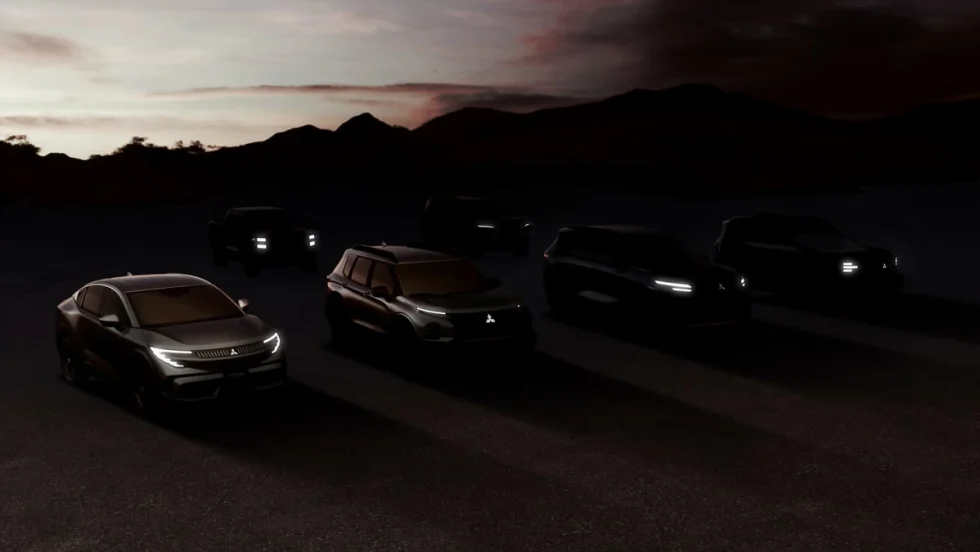
Mitsubishi Unveils U.S. Plan
The automaker announced a strategy that includes an expanded lineup and dealership presence, along with more ‘rugged’ and electric models.
Read More →
Selling to Grow
The question of whether you should sell your agency and if so, when, is up to you. But it’s a question worth asking to ensure you keep the business on the right path for yourself, employees and clients.
Read More →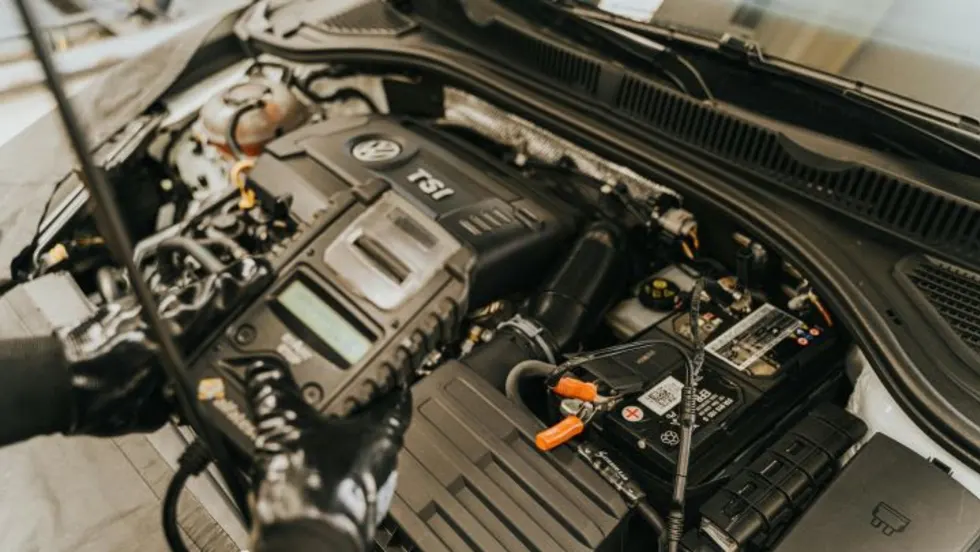
Recalled Vehicles Hit 5-Year High
Though the number of events has fallen so far this year, impacted units are up significantly. Meanwhile, regulators consider consumer notification changes.
Read More →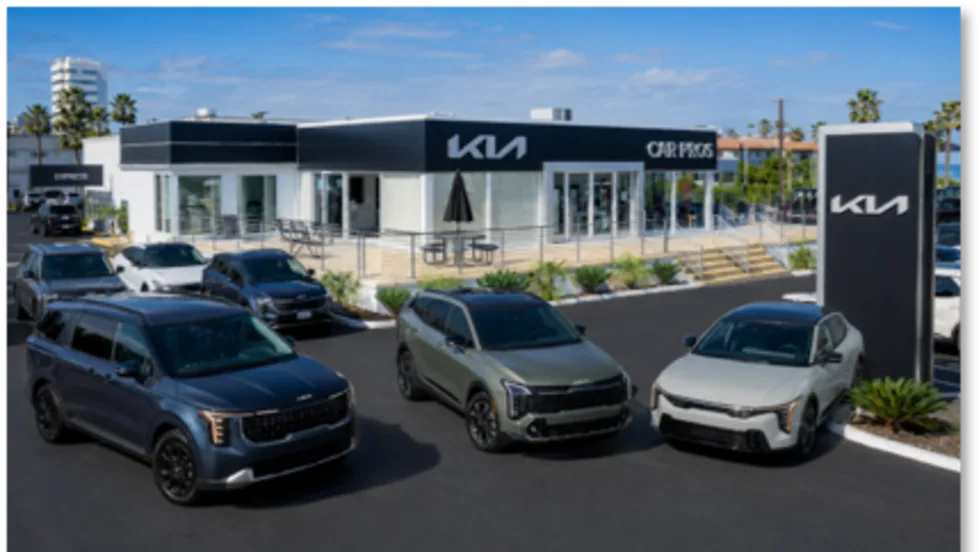
Auto Group Acquires Top-Performing Rooftop
Car Pros sold its Kia Huntington Beach location to Sutherlin Automotive Group, marking the buyer’s third location in Southern California.
Read More →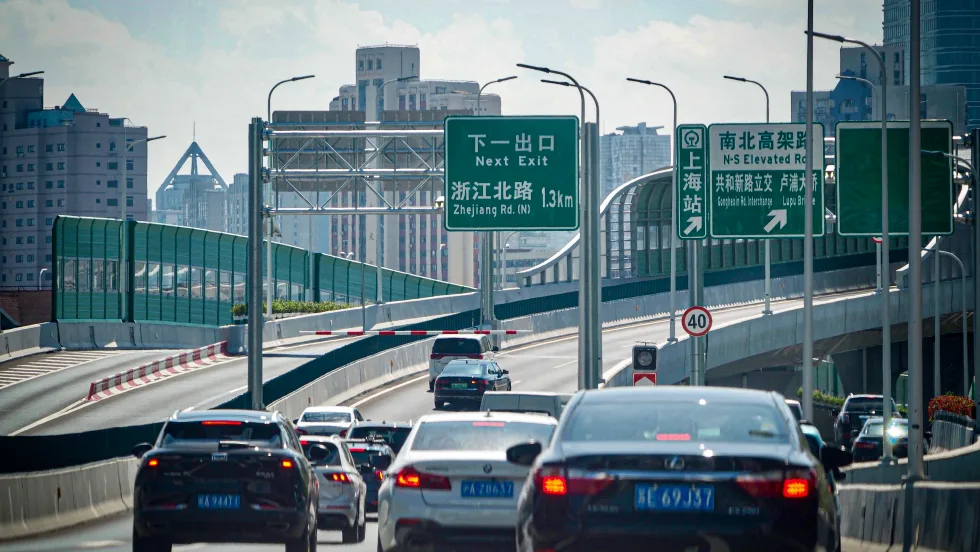
China as Pacesetter
Automotive leaders huddled on where North America stands in the global picture and how it can strengthen its position against the Asian juggernaut’s surging industry.
Read More →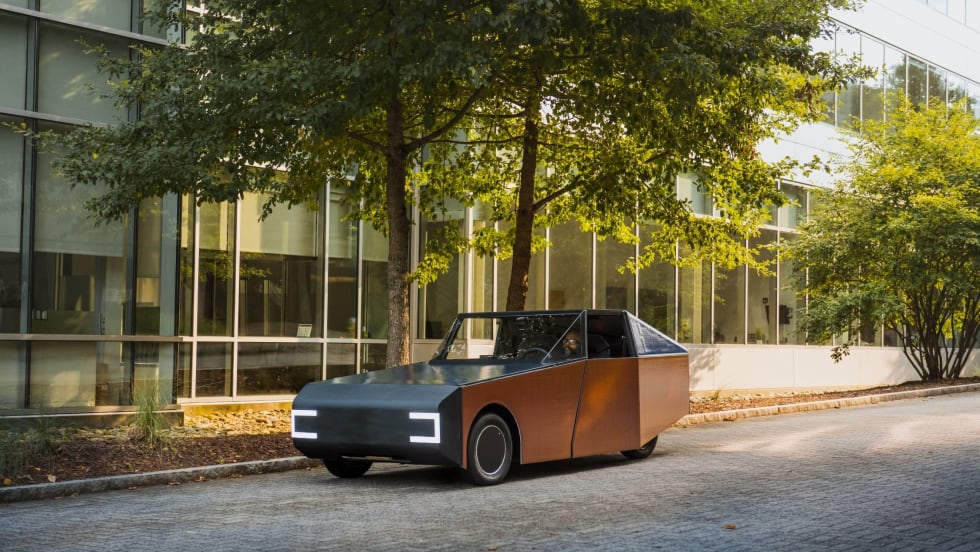
BMW Concept Car Makes Fuel to Burn
The prototype developed in concert with a South Carolina university engineering team generates more solar energy than it uses in a typical daily commute.
Read More →