



Automatic Brakes Cut Crashes, Studies Say
The systems also reduce injuries.


One study also determined that AEB performs well in all weather, road and lighting conditions.
IMAGE: Getty Images/Chesky_W
Automatic emergency braking reduces crashes, according to two new studies.
The first study of the Partnership for Analytics Research for Traffic Safety, or PARTS, a partnership of carmakers and the National Highway Traffic Safety Administration, found that vehicles with such braking systems and with forward collision warning resulted in 49% fewer front-to-rear crashes compared to vehicles without either system. Rear crashes with injuries were reduced by 53%.
“These emerging technologies can substantially reduce the number of crashes and improve safety outcomes,” said Tim Czapp, industry co-chairman of the PARTS Governance Board and a senior manager at Stellantis. “Demonstrating industry’s proactive commitment, AEB is approaching standard deployment and with real-world effectiveness, is helping mitigate injuries and lives lost.”
Meanwhile, a study by the Insurance Institute for Highway Safety shows automatic emergency braking cuts rear-end crash rates for pickup trucks by 43%. The finding was based on crashes reported to police in 25 states from 2017 to 2020, calculating the rate pickups rear-ended other vehicles, per registered vehicle year.
But pickups are less likely to be equipped with AEB than other vehicles, IIHS found.
“These numbers confirm that AEB is reducing crashes for pickups, just as it is for cars , SUVs and large trucks,” said study author Jessica Cicchino, IIHS vice president of research.
In the PARTS study, carmakers supplied data for about 47 million vehicles of 2015 through 2020 model years. The NHTSA also furnished data for more than 12 million crashes reported to police in 13 states.
The study also determined that AEB performs well in all weather, road and lighting conditions.
Automatic braking can stop a vehicle to avoid an imminent wreck or slow its speed to reduce the severity of a crash.
Yet an AAA study released earlier this year found that AEB doesn’t always work as it should and that its testing requirements need updating for more realistic speeds and scenarios.
Originally posted on F&I and Showroom
More Industry

Penske Auto Group Deal a Record
The deal to take the dealership and transportation services company private sets a new pace for industry buy-sell transactions.
Read More →
War Toll a Damper on Used Auto Prices
Cox Automotive found wholesale depreciation to be elevated in September amid high fuel prices and this year's unusual hurricane season.
Read More →
Bridge the Maintenance Gap
With many drivers missing recommended maintenance, service departments offering transparency and efficiency have a better chance of reaching financially strained consumers.
Read More →
California Store Has New Owner
The longtime dealership in the northern part of the state is known for robust fleet sales and has served the state capital for 115 years.
Read More →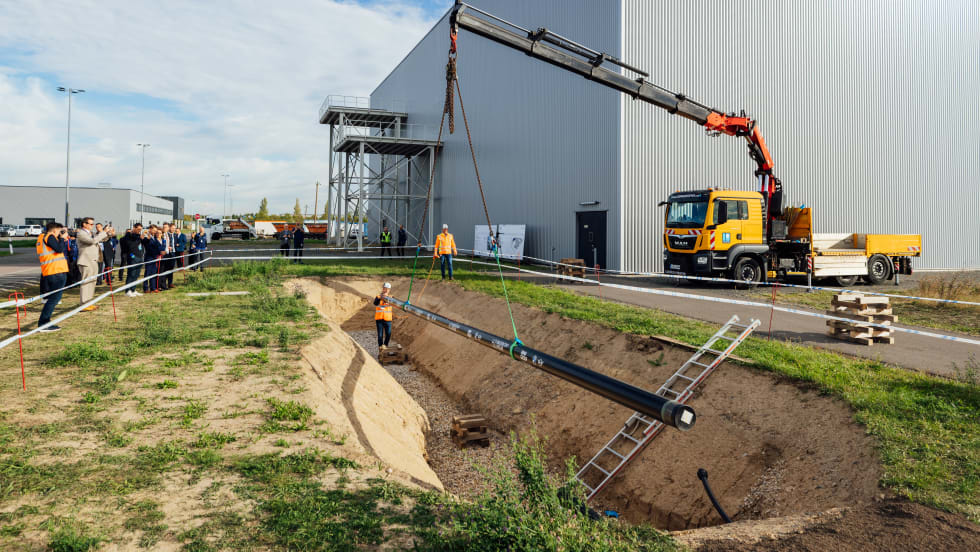
BMW Plant Pursues Cleaner Energy
BMW Group Plant Leipzig has utilized hydrogen to help power its production since 2013, but a new pipeline is planned to take it to another level.
Read More →
Auto Affordability Inches Up
The latest Cox Automotive and Moody’s Analytics index shows a slight increase in new-vehicle affordability despite high prices.
Read More →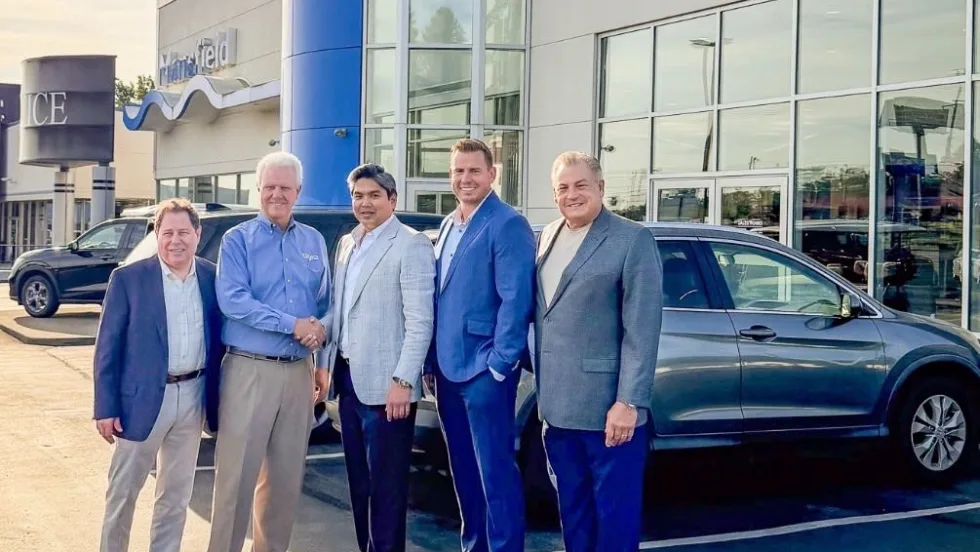
Ohio Auto Group Under New Ownership
After 79 years with the Schluter family, Mansfield Auto Group has been acquired by Missouri-based Clement Auto Group.
Read More →
RV Group Expands Carolina Footprint
Blue Compass RV Columbia Northeast is the 13th RV dealership owned by Blue Compass in the Carolinas.
Read More →
Agent Acumen
An Agent Summit panel of people who’ve been supporting auto dealers for years gave both timely and timeless advice for those starting out or mulling the prospect.
Read More →
Missed Maintenance Creates Opportunity
As families get back on the road and into daily school routines, service drives have an opportunity to capture customers who are behind on recommended vehicle maintenance.
Read More →