



Automakers Wary as Economy Stuck in Slow Gear

Each month, a dozen executives of General Motors Co gather on the 39th floor of their Detroit headquarters to survey the auto industry, the U.S. economy and how they will meet demand from customers.
Recently, the view has not been impressive.
With the economy still struggling to regain momentum after the financial crisis of 2007-09 and 14 million Americans out of work, the planners at GM and a host of corporations across America are in no rush to make big new investments to ramp up output and hiring.
The world's second-biggest automaker has not reopened its idled plants or built new ones as Americans rein in spending.
Like many U.S. manufacturers, it is squeezing more from existing factories and using time-honored efficiency boosts such as adding to overtime and eliminating plant bottlenecks, reported Reuters.
"Our manufacturing folks have been tremendous at squeaking out extra units through improving line rates, adding on extra shifts," GM's U.S. sales chief Don Johnson said.
The caution among many top U.S. corporations echoes that of Federal Reserve Chairman Ben Bernanke and other policymakers, who are scaling back their expectations of economic growth.
With unemployment stuck above 9 percent and surveys of manufacturers showing, at best, modest optimism for the months ahead, Bernanke has sounded less sure about when the expected pickup in the pace of recovery will kick in.
Reflecting the downturn, heavy machinery maker Caterpillar Inc on Friday announced results that fell short of expectations. Much of the higher demand it expects in the rest of 2011 is likely to come from outside the United States.
The largest U.S. conglomerate, General Electric Co, said its core U.S. revenues fell 2 percent in the second quarter of 2011, and Ingersoll Rand Plc said this week that U.S. consumers bought fewer home air conditioners and locks.
With a deadline looming to avoid a default, questions about whether Congress can raise the country's debt ceiling also are fueling concerns.
For automakers and dealers, high gasoline prices are also a constant factor.
"People are so sensitive to the price of fuel, if it spikes like it did earlier this year, it can have quite an effect on either keeping people out of the market or causing them shift their preferences on product," said John McEleney, a Clinton, Iowa, GM and Toyota dealer.
Concern about the U.S. economic outlook is a big factor for Hyundai Motor Co, which has resisted committing to building a second U.S. plant for its Hyundai brand despite running up against capacity concerns at its current factory.
"There's no big, simple silver-bullet solution. We're not going to pull the trigger on a big capacity increase, so it's got to be just a continued number of small, incremental improvements," Hyundai Motor America Chief Executive John Krafcik said earlier this month.
"Jobs are still an issue, housing is still a big issue and I don't think that's talked about enough in the context of our industry," he told reporters at Hyundai's technical center outside Detroit.
"When people don't have home equity, it's often very difficult for them to pull that trigger and buy a new car."
Having survived an industry decline that drove GM and Chrysler into bankruptcy and Ford to mortgage most of its assets, automakers are loath to race too far ahead.
Auto sales in May and June fell short of expectations of economists and producers -- below an annual rate of 12 million vehicles in both months and lagging the 13-13.5 million sales GM and Ford have predicted for the year. They were also far short of the 17.4 million at the peak of the industry in 2000.
The pace of sales in June was the lowest in a year, hurt in part by the knock-on effect of Japan's earthquake and tsunami disasters in March, which hit supply chains.
Ford Motor Co's global marketing and sales chief Jim Farley said Ford was not making big bets on production even though it sees a pick-up in the second half of the year.
"The business replenishment is pretty encouraging to us because that implies that although it may not be jobs yet, the hard assets are being replaced if it makes sense (and) if you offer them better fuel economy," he said.
For now, bets on growth are being placed elsewhere.
Jeff Stafeil, chief executive of auto parts maker Dura Automotive Systems, said his company's immediate growth opportunities lie in developing economies. The firm recently opened a factory in India to meet local demand.
Nonetheless, U.S. automakers believe demand will return eventually to more normal growth levels. Auto industry officials say pent-up demand from businesses and people with aging vehicles will keep the industry going until the recovery strengthens.
"There's probably enough pent-up demand to keep us going at this rate for at least another 12 months, by which time we would fully expect the underlying fundamentals of the economy to really start kicking into gear and having those fundamentals drive the industry further," GM's Johnson said.
More Industry

Ohio Auto Group Under New Ownership
After 79 years with the Schluter family, Mansfield Auto Group has been acquired by Missouri-based Clement Auto Group.
Read More →
RV Group Expands Carolina Footprint
Blue Compass RV Columbia Northeast is the 13th RV dealership owned by Blue Compass in the Carolinas.
Read More →
Agent Acumen
An Agent Summit panel of people who’ve been supporting auto dealers for years gave both timely and timeless advice for those starting out or mulling the prospect.
Read More →
Missed Maintenance Creates Opportunity
As families get back on the road and into daily school routines, service drives have an opportunity to capture customers who are behind on recommended vehicle maintenance.
Read More →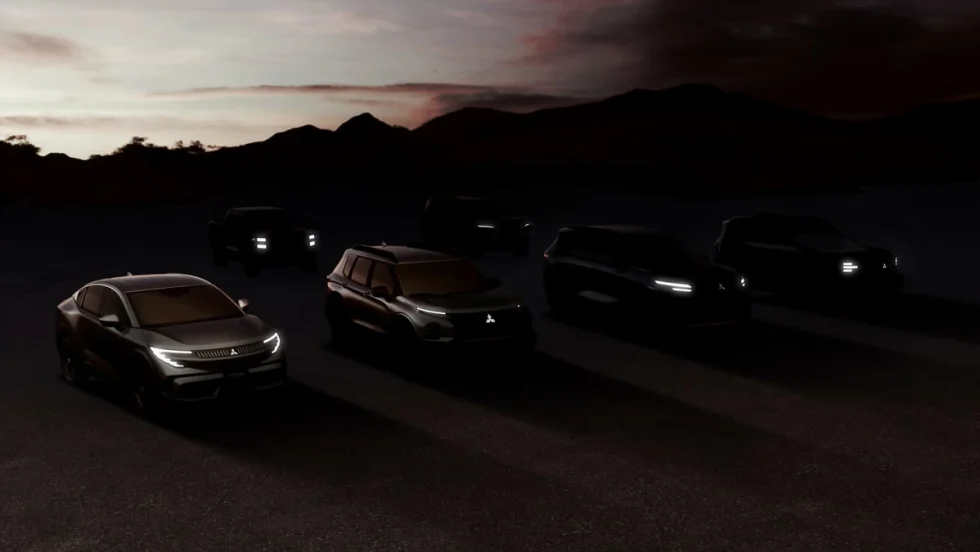
Mitsubishi Unveils U.S. Plan
The automaker announced a strategy that includes an expanded lineup and dealership presence, along with more ‘rugged’ and electric models.
Read More →
Selling to Grow
The question of whether you should sell your agency and if so, when, is up to you. But it’s a question worth asking to ensure you keep the business on the right path for yourself, employees and clients.
Read More →
Recalled Vehicles Hit 5-Year High
Though the number of events has fallen so far this year, impacted units are up significantly. Meanwhile, regulators consider consumer notification changes.
Read More →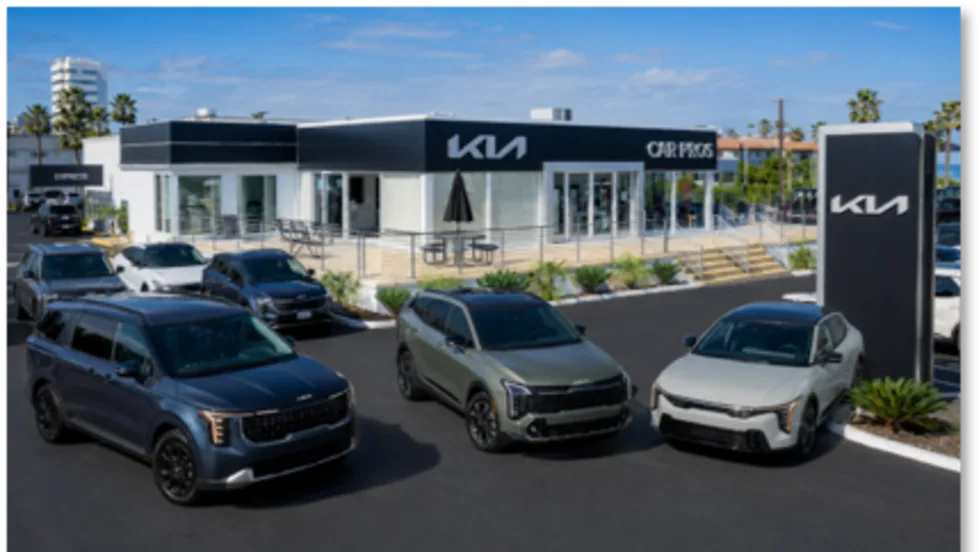
Auto Group Acquires Top-Performing Rooftop
Car Pros sold its Kia Huntington Beach location to Sutherlin Automotive Group, marking the buyer’s third location in Southern California.
Read More →
China as Pacesetter
Automotive leaders huddled on where North America stands in the global picture and how it can strengthen its position against the Asian juggernaut’s surging industry.
Read More →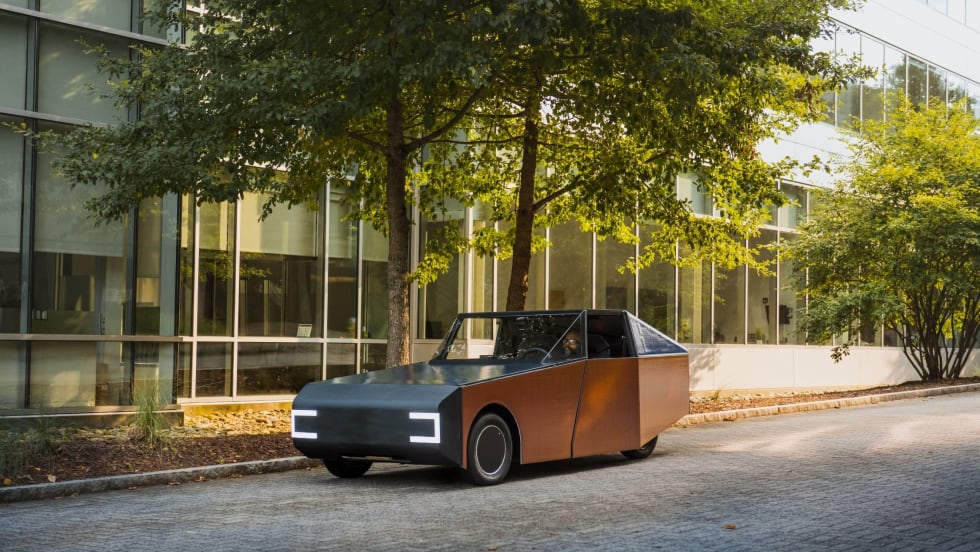
BMW Concept Car Makes Fuel to Burn
The prototype developed in concert with a South Carolina university engineering team generates more solar energy than it uses in a typical daily commute.
Read More →