



Auto Production Faces Bigger Hit After Japan Quake

Toyota Motor Co. may slip to No. 3 in the automaker production rankings behind General Motors and Volkswagen due to Japan's earthquake and nuclear crisis, which slashed local output by almost two-thirds in March alone.
A shortage of parts in the wake of the March 11 earthquake and tsunami has savaged Japan's auto sector supply chain, while damage to a major nuclear plant has disrupted power supplies.
Investors expecting overseas rivals to benefit from a prolonged slump in Japanese output pushed up shares in South Korea's Hyundai Motors and associate Kia Motors to record highs on Monday, reported Reuters.
In Japan and North America, Hyundai, GM and Ford Motor Co stand to be the biggest winners, analysts said, because of Hyundai's established small-car lineup and GM and Ford's growing and improved small-car lineups.
Honda Motor Co, Japan's No. 3 automaker and fourth-biggest in the U.S. market, said on Monday it would take until the end of the year before production returned to normal, echoing recent comments from Toyota.
Honda, which reported domestic production shrank 63 percent in March, said output would be at 50 percent of its original plans until the end of June.
Domestic production at Toyota, the world's largest automaker, plummeted 63 percent in March, while Japan's No. 2 Nissan Motor Co said its corresponding figure fell 52 percent. Nissan is No. 6 in the U.S. market.
On Monday, Ford said it would idle plants in Taiwan, China, and South Africa this week, pushing up closings it had scheduled for later in the year. Two weeks ago, the company signaled it would likely shut plants in Asia starting in late April and going into May.
Ford did not say whether the lost production would be made up later, or if it would adjust its global output forecast for 2011.
Toyota is almost certain to lose its top spot in global auto production, a title it attained in 2008 by overtaking General Motors. GM looks like it will slide into the top spot and Toyota could fall behind Volkswagen, which is currently No. 3, said Koji Endo, managing director of Advanced Research Japan in Tokyo.
Toyota, which sold 8.42 million vehicles last year versus GM's 8.39 million, was on track to post sales of around 6.5 million units this year, Endo said. Other analysts, lacking clear guidance from Toyota, expect sales of roughly 6.3 million to 7 million units.
"Most likely GM will produce 8 million-plus and Volkswagen will produce around 7 million, so most likely Toyota will be third, GM will be first," Endo said.
Volkswagen has a stated goal of taking Toyota's No. 1 spot and expects its 2011 sales to top the record 7.14 million vehicles it sold last year.
Toyota played down the prospect of losing its top ranking.
"When Toyota became No. 1 there were no champagne corks going off here," said Toyota spokesman Paul Nolasco. The March sales were the worst since records began in 1988, he added.
Standard & Poor's later cut its outlook on six major Japanese automakers and suppliers to "negative" from "stable."
Johnson Controls Inc, one of the world's largest auto suppliers, on Monday projected a drop in third-quarter revenue of $500 million due to the falloff on Japanese auto production.
Production has also been disrupted outside Japan, as factories in Europe, North America and the rest of Asia scale back due to parts shortages.
However, the impact on production is minor relative to the halving of Japan's automotive production during the calendar second quarter seen by some analysts, including Brian Johnson of Barclays Capital.
Johnson said he expects Japanese auto output to drop by 50 percent in the second quarter, to be near normal in the third quarter, and produce more than normal in the fourth quarter.
Japanese automakers have not forecast what impact the production cuts will have on earnings, but analysts have been slashing forecasts since the disaster.
For Toyota, 11 analysts who revised their forecasts after the earthquake calculated an average operating profit of 281.9 billion yen ($3.44 billion) for the year to March 2012.
That is down 65 percent from the consensus of 804 billion yen from 21 analysts before the quake, according to Thomson Reuters I/B/E/S. Toyota will announce its results on May 11, but it is not certain if it will provide its own forecast.
"In overseas markets, consumers have choices and (non-Japanese makers) probably will take some share, but I think it is an open question if those will be sustainable or temporary share changes - my guess is that they will tend to be temporary," said Christopher Richter, an auto analyst at CLSA Asia-Pacific Markets in Tokyo.
Shares in major Japanese automakers were weaker on Monday, with Toyota ending down 0.6 percent, Honda down 1.3 percent and Nissan 1.8 percent lower. The main Nikkei index closed off 0.1 percent.
Tokyo's transport equipment sub-index has bounced about 14 percent from its post-quake low, but is still more than 6 percent below where it was before the disaster struck.
In contrast, Hyundai has surged 30 percent over the same period on expectations it will benefit from the woes of its Japanese rivals. Hyundai shares jumped 5.6 percent to a record high on Monday, while Kia shares also hit a record, up 3.2 percent.
"These are good times for South Korean car makers. They will gain market share, raise utilization rates," said Park Jong-min, a fund manager at ING Investment Management in Seoul. "They will also reduce incentives, which will help cut costs."
Hyundai and Kia were No. 5 by combined global sales last year.
The disaster has been a major setback for the world's third-largest economy, with exports falling faster than forecast in March and industrial output data due on Thursday expected to show a record decline. Some economists expect industrial production to fall as much as a quarter, month on month, in March.
The fall in Japanese vehicle output has fed through to major steel suppliers, weighing on profits and prospects for companies, including JFE Holdings.
Many companies are expected to refrain from giving 2012 earnings guidance during the current Japan fourth quarter reporting season and those that do are expected to paint a bleak picture.
More Industry

RV Group Expands Carolina Footprint
Blue Compass RV Columbia Northeast is the 13th RV dealership owned by Blue Compass in the Carolinas.
Read More →
Agent Acumen
An Agent Summit panel of people who’ve been supporting auto dealers for years gave both timely and timeless advice for those starting out or mulling the prospect.
Read More →
Missed Maintenance Creates Opportunity
As families get back on the road and into daily school routines, service drives have an opportunity to capture customers who are behind on recommended vehicle maintenance.
Read More →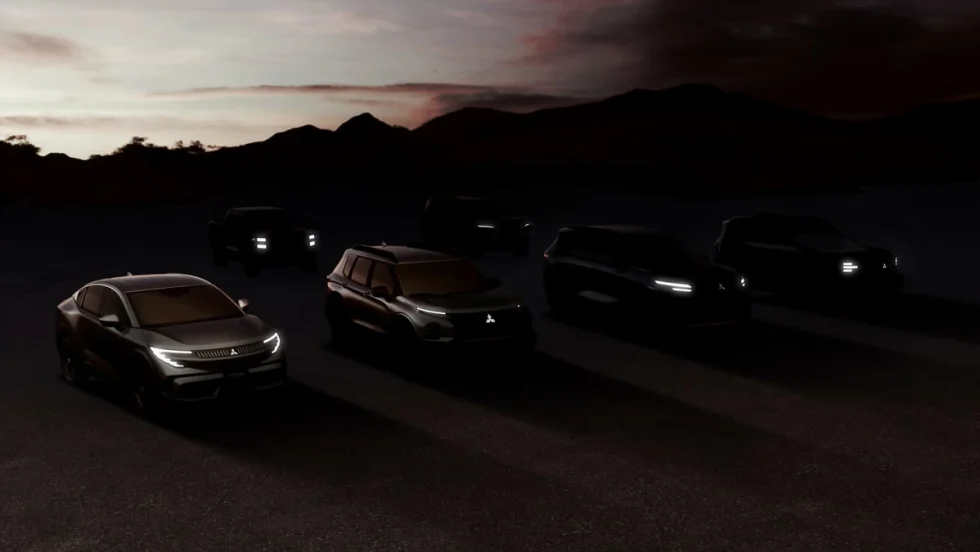
Mitsubishi Unveils U.S. Plan
The automaker announced a strategy that includes an expanded lineup and dealership presence, along with more ‘rugged’ and electric models.
Read More →
Selling to Grow
The question of whether you should sell your agency and if so, when, is up to you. But it’s a question worth asking to ensure you keep the business on the right path for yourself, employees and clients.
Read More →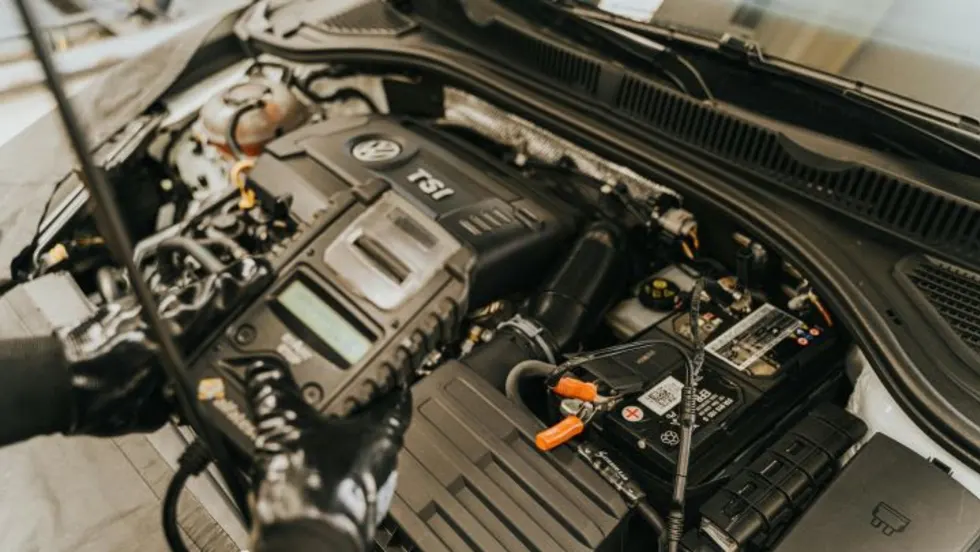
Recalled Vehicles Hit 5-Year High
Though the number of events has fallen so far this year, impacted units are up significantly. Meanwhile, regulators consider consumer notification changes.
Read More →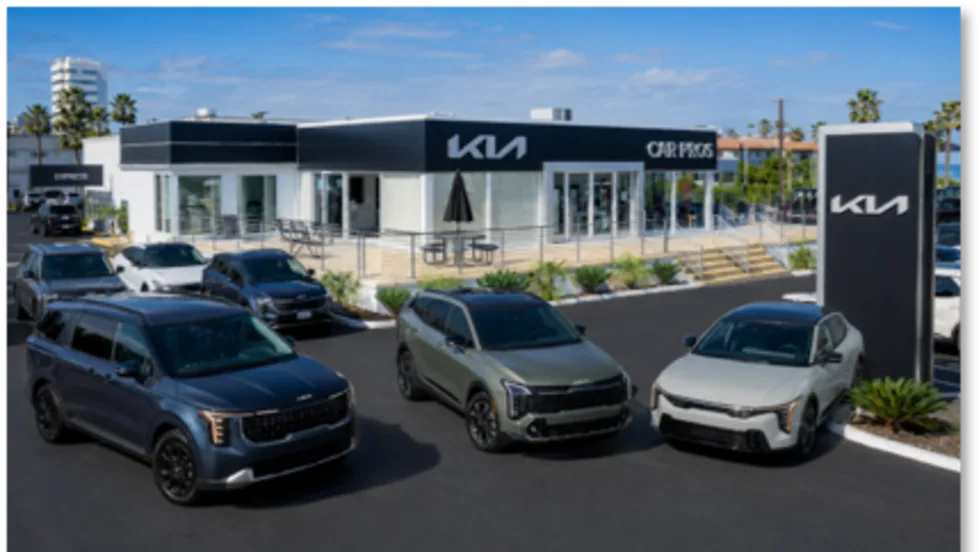
Auto Group Acquires Top-Performing Rooftop
Car Pros sold its Kia Huntington Beach location to Sutherlin Automotive Group, marking the buyer’s third location in Southern California.
Read More →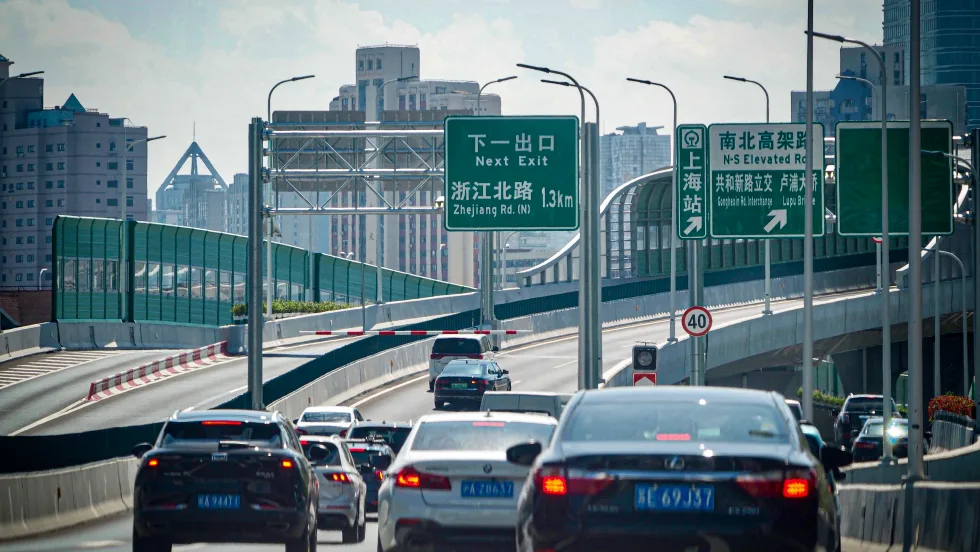
China as Pacesetter
Automotive leaders huddled on where North America stands in the global picture and how it can strengthen its position against the Asian juggernaut’s surging industry.
Read More →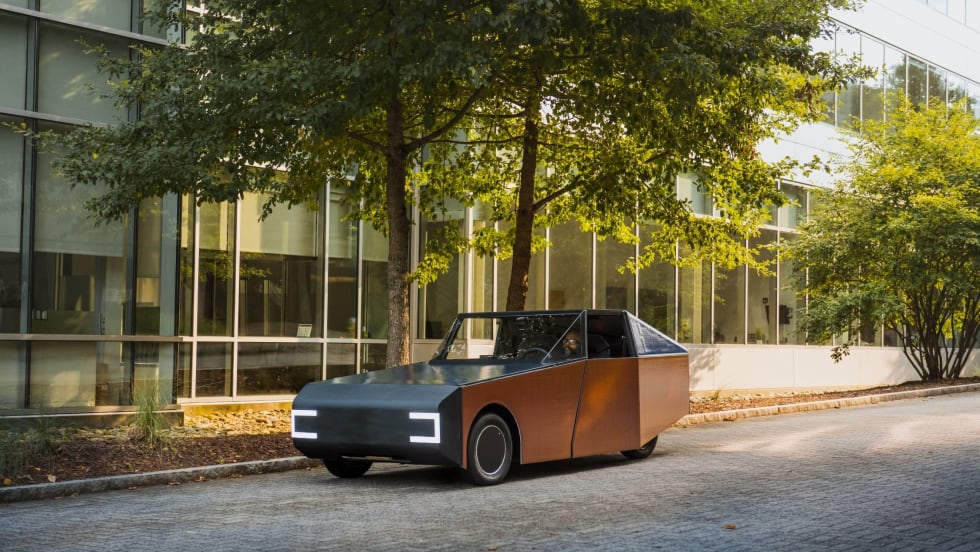
BMW Concept Car Makes Fuel to Burn
The prototype developed in concert with a South Carolina university engineering team generates more solar energy than it uses in a typical daily commute.
Read More →
South Carolina Auto Group Downsizes
Florida-based group Holler-Classic has acquired four rooftops, its first in South Carolina, from Dick Smith Automotive Group.
Read More →