



2025 Dealership Buy-Sells a Record
The Kerrigan Index shows that despite a chaotic year of musical trade tariffs, high vehicle prices and more roadblocks, acquirers still flush with pandemic-era cash accelerated the consolidation pace.

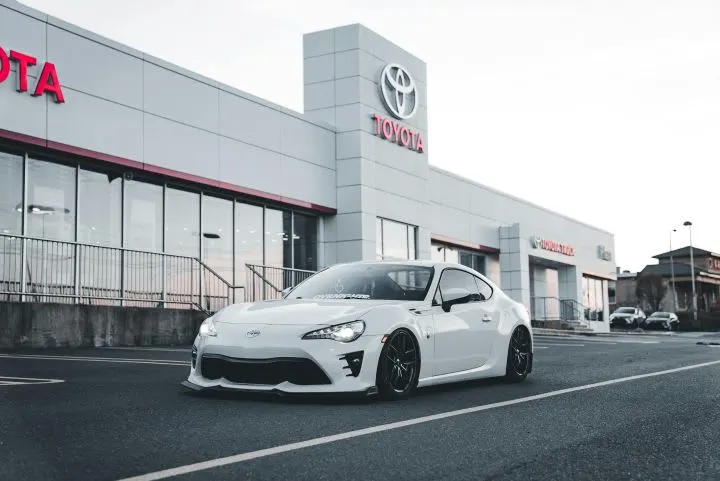
Toyota held onto the distinction of being the most sought-after nonluxury brand in the U.S., Kerrigan Advisors said. In fact, prospective acquirers picked up the pace of their Toyota shopping.
Pexels/Erik McIean
Though many U.S. auto dealership acquirers are being more selective about the stores they pick up, last year’s buy-sell activity reached a historical high as retail sales and profits eclipsed prepandemic levels.
Nearly 460 dealerships traded hands last year, up 5% despite trade tariffs and other pressures, according to sell-side firm Kerrigan Advisors, which counted 688 individual franchises transacted. The robust activity, in addition to being a response to strong auto retail business, was also juiced by the spike in pandemic-era earnings.
The shopping spree that’s ensued over the past five years represents a 15% franchise turnover rate, almost double the rate in the five years before the pandemic, Kerrigan said.
Last year, many dealers shed weaker Stellantis and Nissan stores while others scooped up coveted Toyota and luxury brand dealerships. In fact, top-150 auto groups are quickly picking up the valuable franchises, the majority in fast-growing metro areas now owned by them, Kerrigan said.
Though the year’s consolidation spoke in part to healthy auto retail business, Kerrigan warned of choppy waters ahead. It cited AlixPartners’ “Disruption Index,” which ranks the auto industry as the sector at greatest risk of disruption.
Among the disruptors Kerrigan sees are:
- Technological change, including artificial-intelligence tools adopted by the likes of used-car retail giant Carvana to increase market share
- Increasing consumer affordability concerns that could dampen sales
- China’s growing global new-vehicle production, which has jumped over the past decade from 10% to 40%
Some retailers have had enough of the technological disruption at least, and are looking to exit the sector to escape fatigue from the rapid changes, according to the firm.
But disruption, instead of weakening the industry, should actually strengthen it, according to Kerrigan, which said it believes the changes will make the sector more structurally sound and profitable for growing auto groups.
“The next phase of the industry will be defined by higher productivity, deeper technological integration and reduced reliance on traditional labor models. As AI enhances throughput and operating efficiency, success will increasingly depend on meaningful economies of scale and scope,” the firm said in its Kerrigan Report.
“Well-capitalized consolidators, fortified by the wealth accumulated during the pandemic and supported by a growing base of outside capital partners, are leaning into this transition with disciplined acquisition strategies. For these groups, industry transformation represents opportunity, not threat, and will be the key driver of continued consolidation in 2026 and beyond.”
LEARN MORE: Chip Shortage Seen in Auto Industry
Originally posted on F&I and Showroom
More Industry

Penske Auto Group Deal a Record
The deal to take the dealership and transportation services company private sets a new pace for industry buy-sell transactions.
Read More →
War Toll a Damper on Used Auto Prices
Cox Automotive found wholesale depreciation to be elevated in September amid high fuel prices and this year's unusual hurricane season.
Read More →
Bridge the Maintenance Gap
With many drivers missing recommended maintenance, service departments offering transparency and efficiency have a better chance of reaching financially strained consumers.
Read More →
California Store Has New Owner
The longtime dealership in the northern part of the state is known for robust fleet sales and has served the state capital for 115 years.
Read More →
BMW Plant Pursues Cleaner Energy
BMW Group Plant Leipzig has utilized hydrogen to help power its production since 2013, but a new pipeline is planned to take it to another level.
Read More →
Auto Affordability Inches Up
The latest Cox Automotive and Moody’s Analytics index shows a slight increase in new-vehicle affordability despite high prices.
Read More →
Ohio Auto Group Under New Ownership
After 79 years with the Schluter family, Mansfield Auto Group has been acquired by Missouri-based Clement Auto Group.
Read More →
RV Group Expands Carolina Footprint
Blue Compass RV Columbia Northeast is the 13th RV dealership owned by Blue Compass in the Carolinas.
Read More →
Agent Acumen
An Agent Summit panel of people who’ve been supporting auto dealers for years gave both timely and timeless advice for those starting out or mulling the prospect.
Read More →
Missed Maintenance Creates Opportunity
As families get back on the road and into daily school routines, service drives have an opportunity to capture customers who are behind on recommended vehicle maintenance.
Read More →