


The Future of Car Dealer Documents
Where forms, documents, agreements and contracts could be in 50 years.


Despite quickly advancing technology, written agreements will remain a mainstay of doing business in retail automotive.
Pexels/Kindel Media
I am often amused when I attend conferences and listen to attendees opine about the future of the car business. “The end is near,” would-be prognosticators preach regarding internal-combustion-engine vehicles. “All transactions will imminently be virtual and done on one’s cellphone,” others sermonize. I even heard a president of a major bank state that all car sales will be executed with the use of one document in the near future. Forms are often rebuked and minimized at these events.
The reality is that all the forms used by dealers to retail vehicles are the result of the law. The law, in turn, reflects the flow of commerce. Commerce, of course, tracks the exchange of money for goods and services. In other words, one needs to follow the money. When money is exchanged for a vehicle, the transaction must be controlled and explained by the use of documentation, whether paper or electronic. Money has been a constant in human history since civilization began. The same can be said about contracts and their related documents.
The Future of Money
If, for some reason, money is eliminated, the need for agreements may also be eliminated. However, the future of money is secure. It will be influenced by technology, so digital currencies, cryptocurrencies and a form of a cashless society may emerge. But people will engage, as traders, in commerce for many years, exchanging value for value, money for cars.
A Brief History of Agreements
Archaeologists have studied ancient Mesopotamia in some detail. It was one of the first civilizations to ever have existed, some 3100 years B.C. Remarkably, Mesopotamians used agreements for purposes, such as sales, purchases, divorce and employment. Such agreements were, however, inscribed in stone and clay.
The Future of Vehicle-Transaction Documents
To paraphrase Mark Twain, the reports of the death of paper forms are greatly exaggerated. It has been 25 years since the Uniform Electronic Transaction Act and Electronic Signatures in Global and National Commerce Act were supposed to abolish the use of paper forms and replace them with electronic contracts. It hasn’t happened. The Covid pandemic precipitated the application of electronic transactions significantly. Ultimately, paper agreements will cease to be used, but agreements in other formats will not.
Process vs. Substance
Electronic contracting is a process. The actual words that consumers read and to which they affix their signatures are the substance of the transaction. These words, whether they appear on a device, computer screen or on paper, control the transaction and are the basis for dealers getting paid. Moreover, these words protect dealers from harm, i.e., lawsuits, by being legally proper and compliant with the strictures of the law.
The Future of Process
When consumers meet with a finance manager and sign documents, in legal circles it’s called a signing ceremony. It commemorates the agreement between the two traders, the consumer and the dealer, with mutual obligations. How this will be accomplished in the future will take many new configurations and manifestations. It could be accommodated on computer screens, over the internet, through the employment of cellphones, via televised conference, or with the replacement of an actual person by an avatar or bot, i.e., an autonomous internet program that can interact with consumers. Artificial intelligence will offer additional options. However, written agreements or words on a page will remain the “raison d'etre,” or justification for existence.
The Future of Substance – Forms
To be biblical, the law will always be with us. Consequently, agreements binding commercial traders, dealers and consumers, will remain a fixture of selling cars as long as cars are sold. Dealers should value their forms now and long into the future.
Terry O’Loughlin is director of compliance for Reynolds and Reynolds and is admitted to the Pennsylvania and Florida bars. Before joining Reynolds, he was employed by the Florida Office of the Attorney General, where he investigated automobile dealers and financing sources. He previously was a public accountant.
Originally posted on F&I and Showroom
More Industry

New-Vehicle Sales Balancing Act Continues
A forecast sees this month’s deliveries up from a year ago on the strength of increased incentives as consumers face high interest rates and gas prices.

Bad Roads Lead to Service Drives
A new report highlights U.S. metro areas with some of the highest rates of road-related vehicle repairs, presenting an opportunity for auto dealerships.
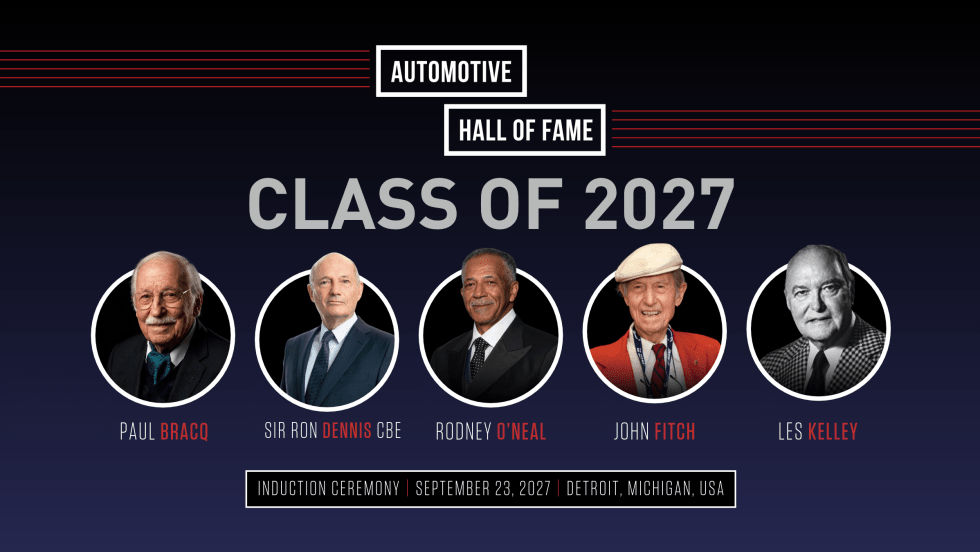
Auto Legends to Hall of Fame
Les Kelley of Kelley Blue Book fame and Rodney O’Neal, a transformative Delphi executive, are among a new class of five industry honorees.

Powertrain Attitudes Divided
Common misconceptions shape car buyers’ attitudes toward the different options, giving dealerships an opportunity to educate and build trust with customers.
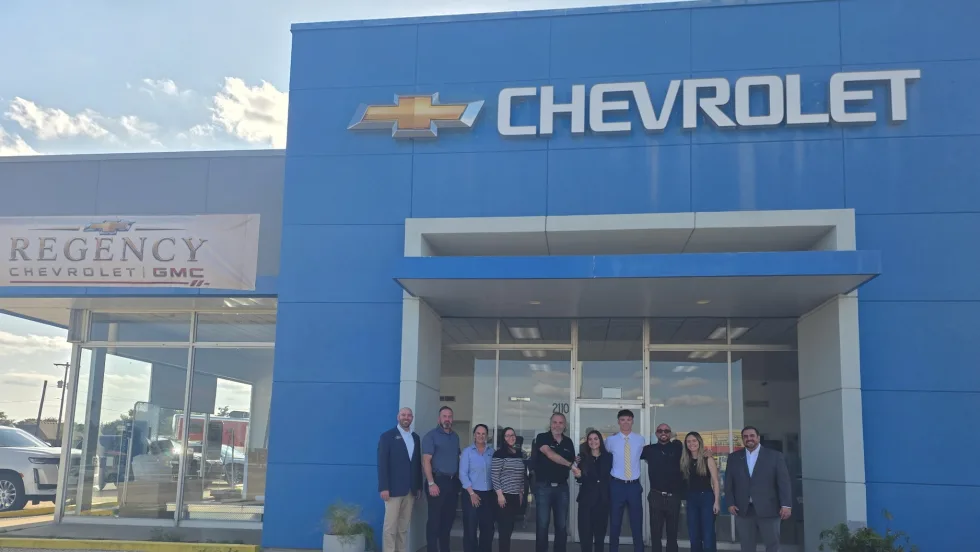
Auto Group Exits U.S. Market
Sibling duo Gesell and Johnny Lillard enter Texas franchised automotive retail with the purchase of Solana Motors in Brady, Texas.
California Calling? What's Up With the State's New CARS Act?
Should auto dealers outside of California be concerned about its new price-transparency law? Yes, and you can guide them in the right direction.
Tennessee Transaction Latest in Buy-Sell Flurry
Four stores move from a longtime local family business to one of the country’s biggest automotive groups as part of the industry’s continued consolidation.

SUV Joins Safety Rankings
Thanks to a seat belt redesign, the Nissan Kicks has earned a Top Safety Pick award from the Insurance Institute for Highway Safety.
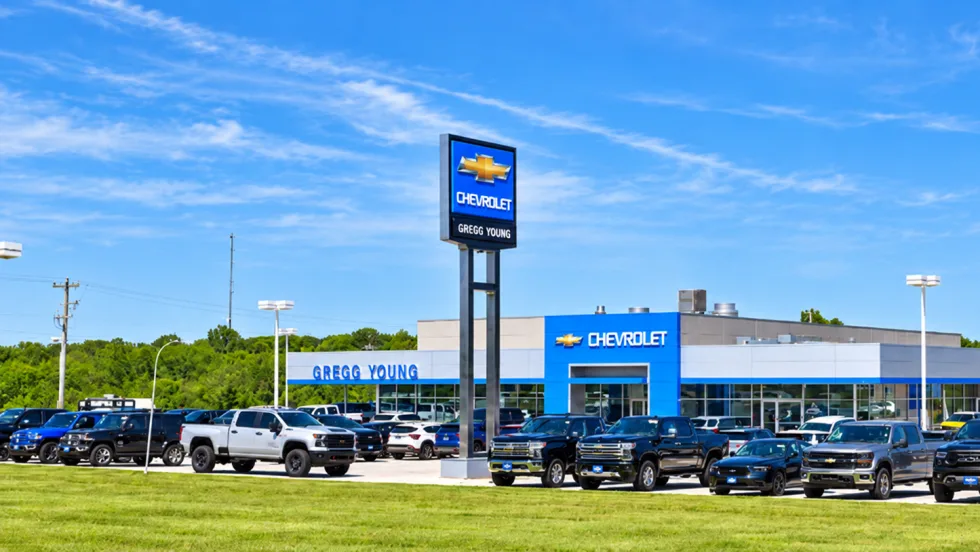
Nebraska Rooftop Changes Hands
The Gregg Young Automotive Group has sold its second dealership to Janssen Auto Group, both in Plattsmouth, Neb.

Penske Auto Group Deal a Record
The deal to take the dealership and transportation services company private sets a new pace for industry buy-sell transactions.