



The California CARS Act: What Agents Need to Know
Get familiar with terms like ‘total price,’ ‘add-ons” and ‘cool-off’ by Oct. 1, 2026 to properly advise your dealers.

Agents can expect to be looked upon as resources for California CARS Act compliance.
Pexels/Arina Krasnikova
As I write this, the ink from Gov. Gavin Newsom’s pen is still wet from signing Senate Bill 766, the California CARS Act. While the effective date of this new law is not until Oct. 1, 2026, that will be here before we know it. Much needs to be done to prepare.
The CARS Act will change the way dealers advertise, present and contract voluntary protection products, what California calls “add-ons.” Here are seven things dealers and, by extension, agents, need to know and do:
1. ‘Total Price” and Written Disclosures
Any written negotiation that references a monthly payment must also disclose, clearly and conspicuously and in writing, the total amount the consumer will pay over the term at that payment, and if it assumes cash or trade equity, the assumed amount.
The deal worksheet and menu require space for the total of payments at quoted monthly amount, and the assumed consideration that goes into the calculation of amount financed. If a longer term lowers the total paid for financing, this must be disclosed, as well. Think Truth in Lending Act box(es), only earlier in the process.
And if the negotiation is primarily in a language covered by Civil Code §1632, this disclosure must also be provided in that language.
2. ‘Add-Ons Are Optional’ Notice
Whenever a dealership employee makes a written representation about an “add-on,” the document must say at least once — clearly and conspicuously, of course — that the add-on is not required and the buyer can purchase or lease the vehicle without it.
Put this statement on your F&I menu and any product one-pagers. Provide it in the language used in the negotiation when §1632 applies.
3. Ban on Add-Ons That Don’t Benefit the Buyer
Dealers may not charge for an add-on if the consumer would not benefit from it. The statute gives concrete examples, including:
Oil-change plans on EVs
Nitrogen tire products below 95% purity
Service contracts void due to pre-existing conditions
Catalytic converter marking for vehicles without one
Surface protection that voids the paint warranty
Dealers must align their product eligibility rules and underwriting questions with this standard.
4. GAP and Lease Notices; Document the Math
Contracts must reflect that any GAP agreement complies with referenced civil code sections, so dealers need to retain loan-to-value calculations in deals that include GAP.
If a lease makes the customer liable for a “gap” on total loss, the contract must include a bold “GAP LIABILITY NOTICE” on page one. Lease forms and e-contract templates should be updated accordingly.
5. Record Retention — Two Years, and It’s Specific
Dealers must keep for two years:
Communications/ads showing the total price
Purchase orders, retail and lease docs, and all written communications with any buyer who signed a purchase order or finance/lease contract
Add-on records, e.g., service contracts, GAP, proof of timely payment to providers, and loan-to-value calculations for GAP
Cancellation requests and proof of refunds/returns.
Written complaints/inquiries related to add-ons or vehicles.
Ensure your dealers’ dealer management/customer relationship management systems can tag and retain the first written communication that references a specific vehicle or payment. This also suggests dealership employees must not use their personal cellphones or other devices to communicate with customers. Use monitored, dealership-controlled communication tools only!
6. Mandatory Used-Car Cooling-Off Right
For used vehicles priced at $50,000 or less, California buyers get a three-day right to cancel, with a 400-mile cap and permitted restocking fee. Forms must explain how to exercise the right, and dealership workflow must handle trade-ins/refunds correctly when the right is exercised. The old optional two-day cancellation program is superseded.
7. Showroom Signage
Beginning Oct. 1, 2026, dealers must display new, large-type signage clarifying no cooling-off for new vehicles and the three-day right for qualifying used vehicles, with required language.
All of that’s a lot to know, and agents can expect to be looked upon as resources for compliance. Fear not — tools to equip agents are being prepared. Automotive Compliance Education (ACE), for example, is creating a new California Car Law certification program that will be available by NADA Show 2026. Agents who are certified ACE trainers can also deliver this training.
Whatever approach you take as an agent, get ready — Oct. 1, 2026, will be here before you know it.
James S. Ganther, Esq., is CEO of Mosaic Compliance Services.
DIG DEEPER: The F&I Agent's Roadmap: Mastering the Cold In-Store Visit
More Industry

Penske Auto Group Deal a Record
The deal to take the dealership and transportation services company private sets a new pace for industry buy-sell transactions.
Read More →
War Toll a Damper on Used Auto Prices
Cox Automotive found wholesale depreciation to be elevated in September amid high fuel prices and this year's unusual hurricane season.
Read More →
Bridge the Maintenance Gap
With many drivers missing recommended maintenance, service departments offering transparency and efficiency have a better chance of reaching financially strained consumers.
Read More →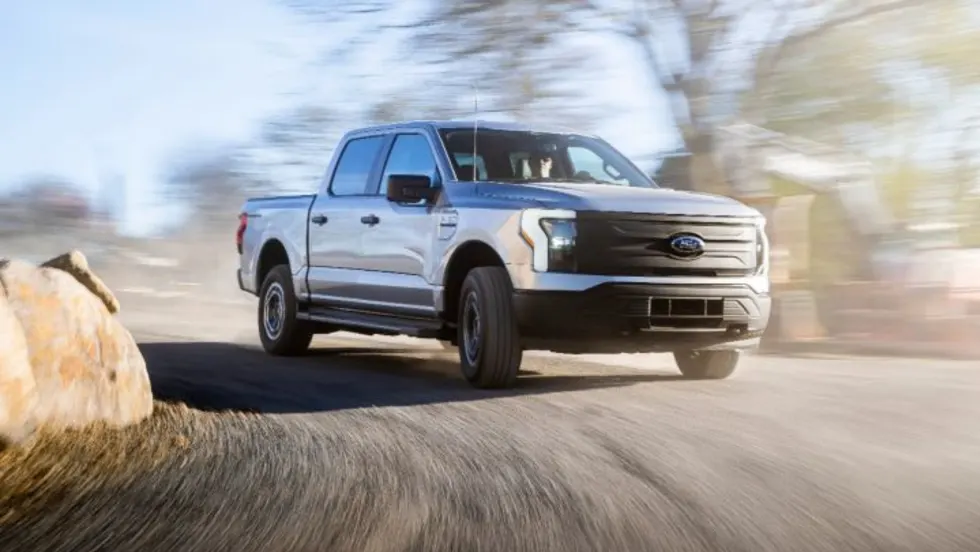
California Store Has New Owner
The longtime dealership in the northern part of the state is known for robust fleet sales and has served the state capital for 115 years.
Read More →
BMW Plant Pursues Cleaner Energy
BMW Group Plant Leipzig has utilized hydrogen to help power its production since 2013, but a new pipeline is planned to take it to another level.
Read More →
Auto Affordability Inches Up
The latest Cox Automotive and Moody’s Analytics index shows a slight increase in new-vehicle affordability despite high prices.
Read More →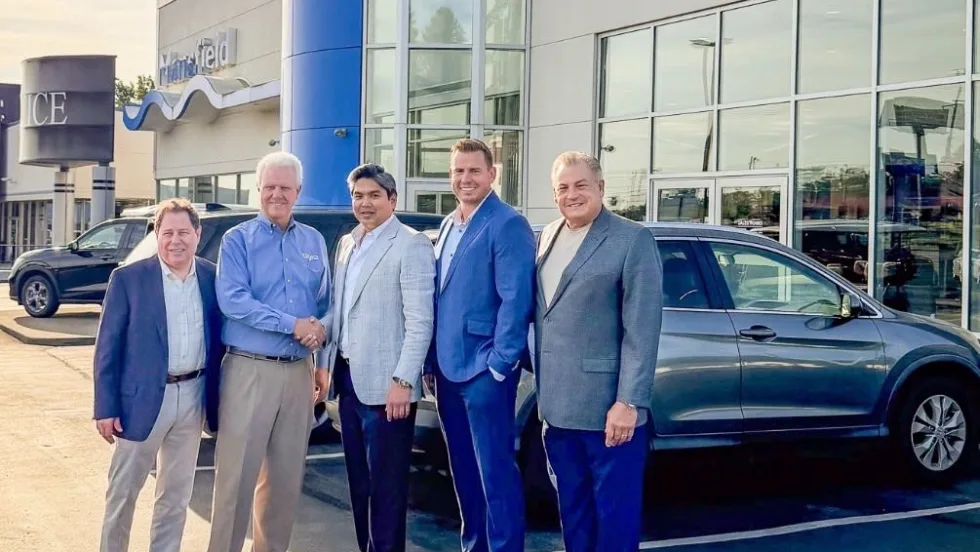
Ohio Auto Group Under New Ownership
After 79 years with the Schluter family, Mansfield Auto Group has been acquired by Missouri-based Clement Auto Group.
Read More →
RV Group Expands Carolina Footprint
Blue Compass RV Columbia Northeast is the 13th RV dealership owned by Blue Compass in the Carolinas.
Read More →
Agent Acumen
An Agent Summit panel of people who’ve been supporting auto dealers for years gave both timely and timeless advice for those starting out or mulling the prospect.
Read More →
Missed Maintenance Creates Opportunity
As families get back on the road and into daily school routines, service drives have an opportunity to capture customers who are behind on recommended vehicle maintenance.
Read More →