



Retention Is Not Just a Dealer Challenge
Solidify your agent-dealer relationships by expanding your scope to sales and service and offering new insights into F&I performance.

Solidify your agent-dealer relationships by expanding your scope to sales and service and offering new insights into F&I performance.
Photo via iStock
Customer retention has been a buzzword in the automotive industry for more than two decades. In that time, manufacturers and dealership owners have invested a lot of time and money looking for ways to increase the number of customers returning to their dealerships to purchase another vehicle, have their vehicle serviced, or purchase parts and accessories.
The automotive industry has learned what business experts and strategists in almost every industry have been saying for the past 50 years: It is significantly easier to retain a current customer than to earn a new one. In this article, let’s explore customer retention through the lens of an agent and their customer, the dealer.
New Efficiencies and Lost Profits
While automotive manufacturers and dealership owners have been investing in ways to improve customer retention, two significant market challenges have impacted agent success at retaining their customers, the dealer. The market challenges include agency consolidation and declining dealer profitability at the time of a vehicle sale. As these market challenges have grown, the high-stakes arena of dealer retention has become more of a priority within the agent business model.
First, agency consolidation has become a proven way to grow the footprint of an agency in the marketplace. With that larger footprint comes certain efficiencies that change the competitive landscape for everyone. In recent years, the number of agency acquisitions has increased considerably, so all agencies must find better ways to maximize their value to their current dealer customers.
Second, as dealership profits have declined at the time of a vehicle sale, dealers have begun to explore other ways to supplement or increase their profitability. One of the methods to increase profitability is to review the performance of each department and the external partners that support that department, including the agent and their respective F&I product provider.
As an agent providing F&I products to dealerships, the cost of the product to the dealership is almost always a discussion topic, because it includes dealer-paid investments for sales support and income-development activities. When selling the product to a consumer, the product cost ultimately impacts overall dealership profitability, making it a focal point when trying to determine how to boost overall profits.
Ultimately, dealership retention for an agent is primarily driven by the relationship and value placed by the dealership owner on the ability of the agent to develop their personnel. To increase dealership retention and lower the possibility of dealership defections, the agent must utilize, at a minimum, two keys to lock up the dealership from competitive threats:
Key No. 1: Expand YourBusiness Development Scope
Being able to advise a dealership owner on matters beyond simply improving F&I profits is critical for success and mitigating a competitive threat. By expanding your business development scope into other areas, like the sales and service departments, an agent can significantly increase the value of your relationship with the dealership owner.
Sales and service department development concepts could include conducting long-term limited warranty or CPO education with the sales team, to assist them in building greater value in pre-owned vehicle sales. With the additional pre-owned vehicle sales, the dealership’s F&I department would have additional opportunities to enhance the limited warranty or CPO warranty received with the vehicle purchase by offering a vehicle service contract (or “wrap”), therefore increasing the profitability within the sales and F&I departments.
Another potential expansion could be to begin hosting education and development opportunities for the service advisor team, to expand their skills when receiving a new customer on the service drive. For example, hosting a learning event to demonstrate that by simply asking a customer if their visit was related to a warranty or service contract need, a service advisor could discuss a service contract and potentially sell one on the service drive or turn over the lead to the F&I department.
Additional considerations could include a service operation review to discover service advisor upsell performance trends by vehicle year, model, services, and other important factors.
By expanding the business development scope to include all aspects of the dealership and its profit centers, an agent could amplify the value of a relationship between the dealership and the agency. This amplification could clearly illustrate that if the dealer were to make a switch in their F&I partnership, the switch could result in diminished profitability.
Key No. 2: Dig Below the F&I Surface
A major component of the services provided by an agency to its dealership customer is to complete weekly, biweekly, or monthly F&I performance reviews. In most cases, the data reviewed is the past month’s performance, and that review is typically broken down by an F&I manager.
The opportunities reviewed include profit per vehicle sold, F&I product sales, and penetration mix. After the review is completed and underperforming metrics are identified, general improvement plans are put in place to try to improve performance over the next 30 to 60 days. An example of such a plan could be to improve a lower-than-expected VSC penetration rate: The F&I department will commit to completing an F&I turnover and interview with every customer purchasing a vehicle. The challenge with this type of general improvement plan is that it is based off a topical review of the performance and not a complete review of the performance trends existing below the surface.
With the incorporation of advanced emenu system reporting, DMS integration, and Microsoft Excel enhancements, it is easier than ever to not just scrape the surface for profit improvement opportunities, but to dig below the surface to uncover previously unnoticed performance trends.
To demonstrate a situational opportunity, if you combined a performance report from the emenu provider and the itemized customer log from the DMS system into Microsoft Excel and executed some data analysis, you could uncover that there is an F&I performance deficiency with customers purchasing CPO vehicles that are financed with the captive lender. By uncovering this performance trend, coaching F&I becomes very strategic, with realistic, measurable improvement opportunities that will be much easier to drive dealership profitability.
The connection is this: Simply looking at F&I performance on CPO vehicles alone may not highlight the improvement opportunity. In this example, the opportunity becomes much clearer when combining the performance by finance source.
When digging below the surface for departmental performance trends, instead of completing a topical performance review, the value and impact of the relationship between the dealership and agent becomes invaluable. This type of added value can put an area of protection around the dealership and increase the likelihood of dealership retention.
Agents are facing major challenges with dealership retention as competition grows from new and existing agencies, automotive manufacturers’ F&I offerings, and diminishing dealer profitability. If an agent acquires a new dealership customer but is unable to meet the expectations of the dealer owner for development and profit improvement, that could put the dealership at risk to a competitive threat.
In order to mitigate the competitive threat, it is vital that the agent lock down and reinforce your value to the dealership, starting by utilizing the two keys identified.
Thomas Hackett is the national sales and training director at Allstate Dealer Services.
More Industry

War Toll a Damper on Used Auto Prices
Cox Automotive found wholesale depreciation to be elevated in September amid high fuel prices and this year's unusual hurricane season.
Read More →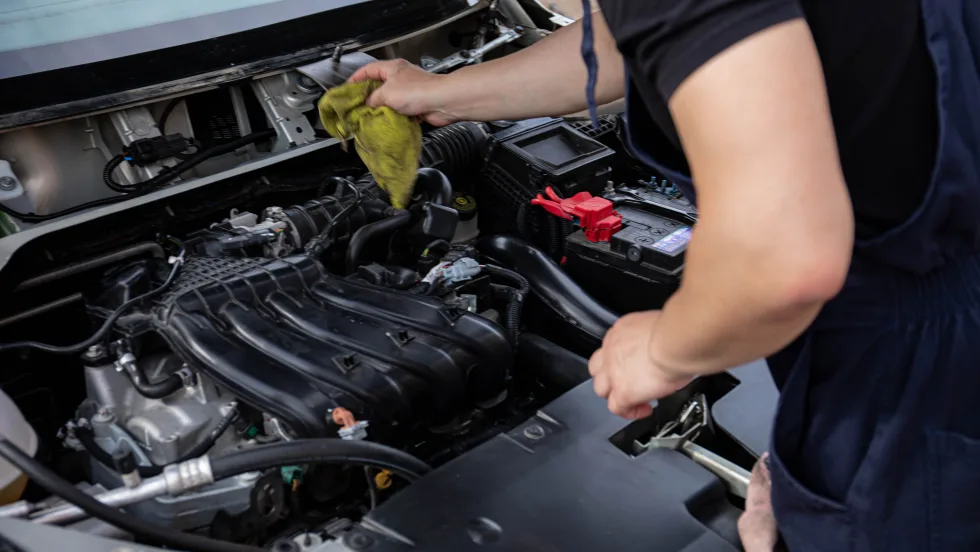
Bridge the Maintenance Gap
With many drivers missing recommended maintenance, service departments offering transparency and efficiency have a better chance of reaching financially strained consumers.
Read More →
California Store Has New Owner
The longtime dealership in the northern part of the state is known for robust fleet sales and has served the state capital for 115 years.
Read More →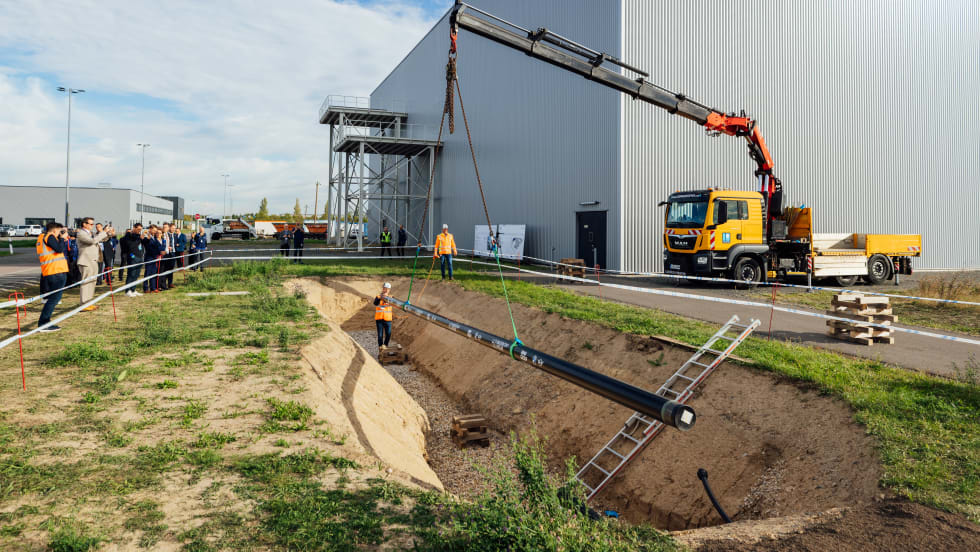
BMW Plant Pursues Cleaner Energy
BMW Group Plant Leipzig has utilized hydrogen to help power its production since 2013, but a new pipeline is planned to take it to another level.
Read More →
Auto Affordability Inches Up
The latest Cox Automotive and Moody’s Analytics index shows a slight increase in new-vehicle affordability despite high prices.
Read More →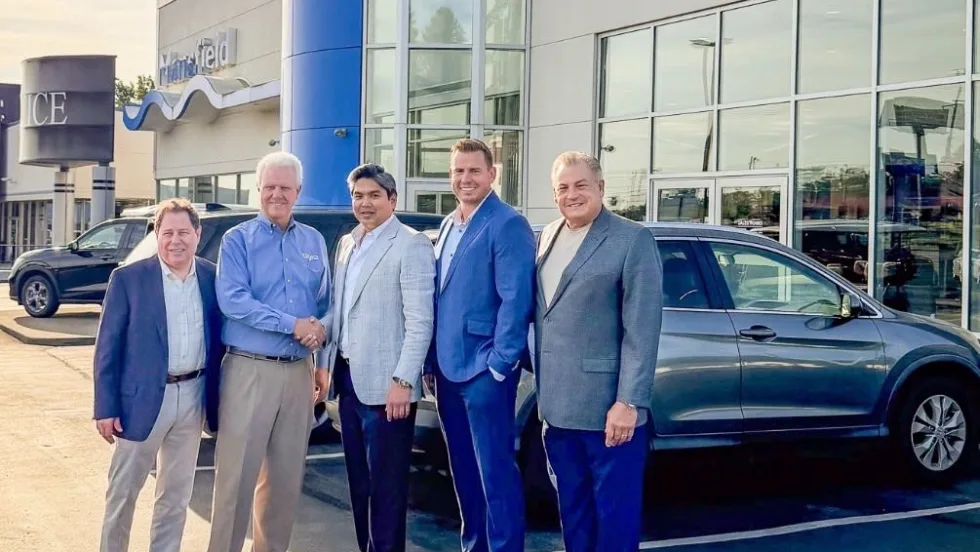
Ohio Auto Group Under New Ownership
After 79 years with the Schluter family, Mansfield Auto Group has been acquired by Missouri-based Clement Auto Group.
Read More →
RV Group Expands Carolina Footprint
Blue Compass RV Columbia Northeast is the 13th RV dealership owned by Blue Compass in the Carolinas.
Read More →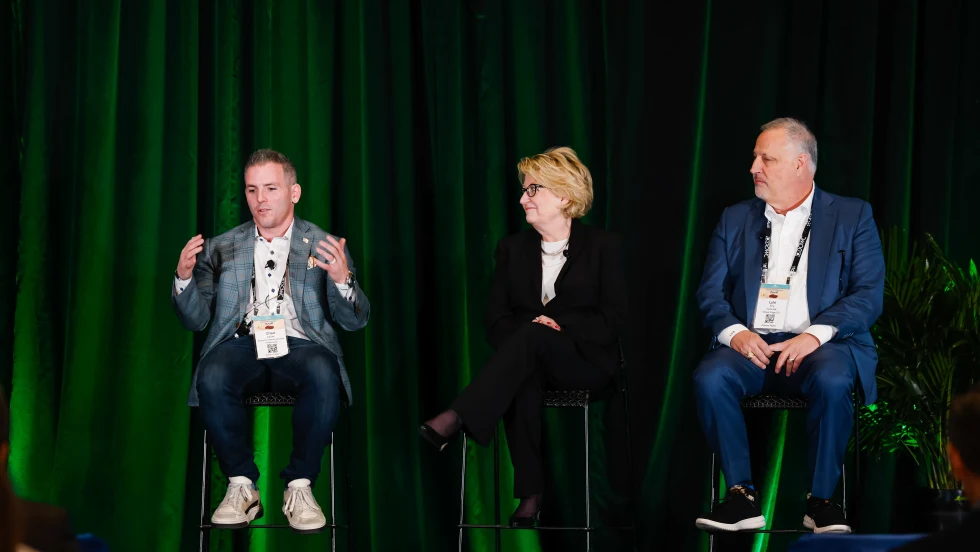
Agent Acumen
An Agent Summit panel of people who’ve been supporting auto dealers for years gave both timely and timeless advice for those starting out or mulling the prospect.
Read More →
Missed Maintenance Creates Opportunity
As families get back on the road and into daily school routines, service drives have an opportunity to capture customers who are behind on recommended vehicle maintenance.
Read More →
Mitsubishi Unveils U.S. Plan
The automaker announced a strategy that includes an expanded lineup and dealership presence, along with more ‘rugged’ and electric models.
Read More →