



Prepare for Financing Contraction
While the processes necessary to complete digital remote deliveries have been available for a while, dealers were slowly transitioning from paper-driven to digital. Coronavirus has accelerated that transition in many dealerships.


While the processes necessary to complete digital remote deliveries have been available for a while, dealers were slowly transitioning from paper-driven to digital. Coronavirus has accelerated that transition in many dealerships.
We will be different creatures as we emerge from our lockdown and self quarantine caves. For example, when we get back to the airport, I suspect that the lines at the sinks will be longer than those for the urinals in men’s bathrooms. The opposite was certainly true before March 15.
Until we resume to normalcy, stay safe, good luck, and good selling.
The way we sell and finance vehicles will likely look different than before, as well. While the processes necessary to complete digital remote deliveries have been available for a while, dealers were slowly transitioning from an analog, paper-driven process to a digital process. Coronavirus has accelerated that transition in many dealerships.
Reading the Tea Leaves
Finance sources generally have a great business model. They originate loans and leases at an interest rate higher than the interest rate they borrow money at. They have a great servicing function that collects the receivables. When finance sources borrow money, they make representations regarding delinquency, losses, early pre-pays, and the resulting profitability of a segment (or traunche) of loans.
This business model starts to stress with an unexpected factor such as an unforeseen economic down turn. When sales fall, originations fall. The financing source is not able to feed the machine with originations. Finance sources typically respond by either ceasing operations or tightening underwriting standards.
Beyond the transition to digital remote deliveries, we are looking at the probability of a contraction with our finance sources. All of the signals have made plenty of headlines recently.
“Small Subprime Company Outsources Funding to a Larger Subprime Company.” This is one step in the smaller subprime company, shuttering the windows and the doors and stopping the origination of deals.
“Midsize Subprime Company Furloughs a Number of Employees.” This company is trying to reduce expenses, most likely in the origination segment of its business as the servicing unit is critical to survival.
“Large Prime Company Announces Multi-Million Increase to Reserves for Anticipated Credit Losses.” Prime banks have historically tightened and endorced underwriting guidelines when there is an anticipation of increased credit or residual losses.
Getting Ready for the Contraction
Knowing that a contraction is coming, and doing something about it, are two different things.
Many of the dealers, agents, and finance sources I spoke with regarding the upcoming contraction recommend a number of actions to prepare.
1. Preferred Finance Sources: Gone are the days of shotgunning deals to 20 finance sources. During a contraction, finance sources are outstanding at managing expenses. Book to look (the percentage of contract booked versus the number of credit applications reviewed) will become an increasing topic of discussion from your finance sources. A low book to look may hamper your ability to obtain approvals.
The people I spoke with recommend that dealers strongly consider managing relationships with no more than five or six finance sources. During contractions, the manufacturer’s captive takes on an enhanced role as it also has a mission to support the manufacturer’s sales. Many will be offering and advertising attractive financing options that consumers will be asking for. A relationship with the captive is important.
Fill out the handful of preferred finance sources based on the dealer’s demographics. You will want to include a handful of larger prime banks, credit unions, subprime, and niche sources.
2. e-Contracting: Cash will be critical to dealerships. Include e-contracting as a requirement of the preferred finance sources you select as you will want to be funded now.
3. Digitize Processes: Join the revolution and digitize as many of the processes as you can. Every step in the road to the sale can be completed digitally and remotely. Some dealers adapted in response to lockdown orders and found a way to sell, finance, and deliver deals without the consumer stepping into the showroom. If you found a process that works, keep it going after lockdowns dissipate.
4. Prepare for Life After COVID-19: Many dealers proudly advertise that is it a “green dealer.” Now may be the time to also announce that you are a “certified sanitary dealer.” Have a sanitization process in place for the entire dealership, but specifically in the F&I office. Every surface a consumer touches during the close must be sanitized after every transaction is completed.
Until we resume to normalcy, stay safe, good luck, and good selling.
Originally posted on Auto Dealer Today
More Industry

RV Group Expands Carolina Footprint
Blue Compass RV Columbia Northeast is the 13th RV dealership owned by Blue Compass in the Carolinas.
Read More →
Agent Acumen
An Agent Summit panel of people who’ve been supporting auto dealers for years gave both timely and timeless advice for those starting out or mulling the prospect.
Read More →
Missed Maintenance Creates Opportunity
As families get back on the road and into daily school routines, service drives have an opportunity to capture customers who are behind on recommended vehicle maintenance.
Read More →
Mitsubishi Unveils U.S. Plan
The automaker announced a strategy that includes an expanded lineup and dealership presence, along with more ‘rugged’ and electric models.
Read More →
Selling to Grow
The question of whether you should sell your agency and if so, when, is up to you. But it’s a question worth asking to ensure you keep the business on the right path for yourself, employees and clients.
Read More →
Recalled Vehicles Hit 5-Year High
Though the number of events has fallen so far this year, impacted units are up significantly. Meanwhile, regulators consider consumer notification changes.
Read More →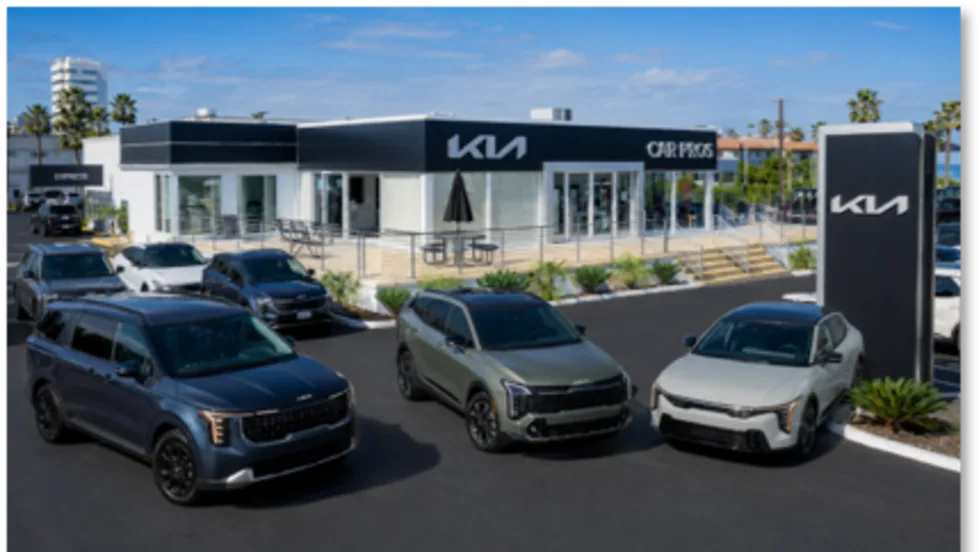
Auto Group Acquires Top-Performing Rooftop
Car Pros sold its Kia Huntington Beach location to Sutherlin Automotive Group, marking the buyer’s third location in Southern California.
Read More →
China as Pacesetter
Automotive leaders huddled on where North America stands in the global picture and how it can strengthen its position against the Asian juggernaut’s surging industry.
Read More →
BMW Concept Car Makes Fuel to Burn
The prototype developed in concert with a South Carolina university engineering team generates more solar energy than it uses in a typical daily commute.
Read More →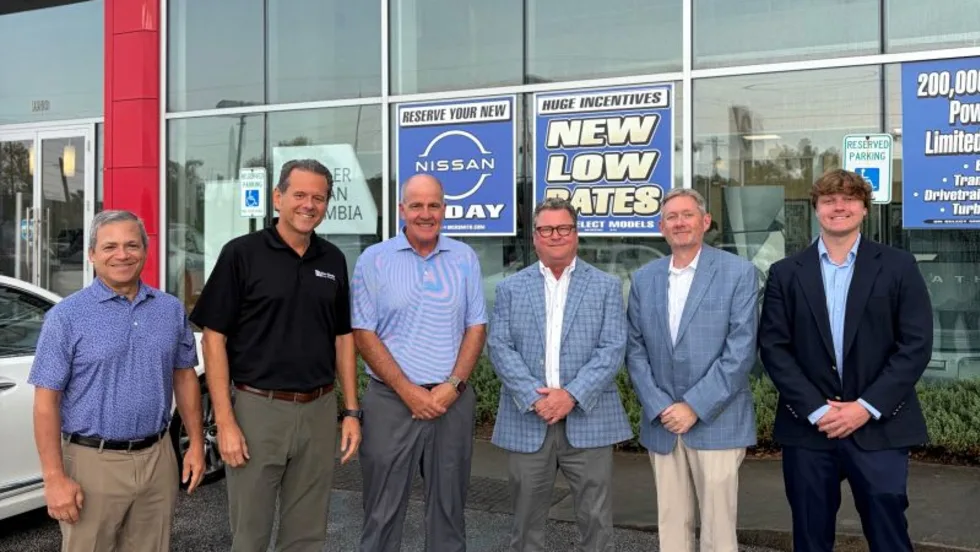
South Carolina Auto Group Downsizes
Florida-based group Holler-Classic has acquired four rooftops, its first in South Carolina, from Dick Smith Automotive Group.
Read More →