



Move From Being a Closer to an Opener
The demand for closers is shrinking.

Here are three efforts that will enable us to move from being ‘closers’ to becoming ‘openers.’
“You can tell whether a man is clever by his answers. You can tell whether a man is wise by his questions.”– Nobel Laureate Naguib Mahfouz
Tremendous effort has been exerted for decades in the attempt to “close” the customer. The implication is that if we “close” them, the door is closed and locked, and the key has been thrown away. It is virtually impossible for the customer to change his or her mind, and all other options have been eliminated. Sales training has commonly been based on answering objections, eliminating all reasons not to buy, and then closing the customer. There is validity to overcoming customer objections with current data. However, if closing is the technique utilized to move them, it creates resistance and lowers the chances of the outcome we seek.
Recently, a Harvard research effort that reviewed hundreds of live one-on-one efforts with customers found that the person who asks genuine follow-up questions invites more insightful conversations. They even have a name for them — “openers.” One of the recent shifts in customer behavior has been the resistance to closing techniques and the desire to talk more about themselves. They have always wanted to talk about themselves; however, they have endured our past efforts to minimize their sharing — no more. Here are three efforts that will enable us to move from being “closers” to becoming “openers.”
ASK GENUINE QUESTIONS THAT FOCUS ON THEM
We know that open-ended questions are the pathway to profits. Yet by observing hundreds of live deliveries every year, I can truthfully say that many managers digress into doing 75% to 90% of the talking. It is more than changing the questions; it is becoming genuinely interested in the person on the other side of your desk. Until the genuineness is palatable, no questions will change the atmosphere that will lead to decisions that will benefit the customer in their situation. Open-ended questions that invite the customer to talk about themselves are much more than a sales technique, they are an open invitation to learn more about the customer.
EMPLOY ACTIVE LISTENING
Active listening can be developed with practice. However, it is not a natural trait and will take time to grow into a solid skill set. Active listening involves all of the senses. The customer must see your interest in what they are saying both in your body language and your facial expressions. They must hear responses that say they have been heard and understood. All distractions must be put aside to assure the customer knows we are focused on them. Looking at a watch or cellphone, or even looking past the customer to see something, can tell them they are wasting their time talking and we are not interested. Complete focus and genuine interest display active listening and a person on the other side of the desk that cares about them.
INVOKE THE SOUND OF SILENCE
One of the most powerful tools you can employ is the sound of silence. It’s also one of the hardest to perfect. Silence in a conversation is awkward, and it begs for someone to say something. If you intentionally use silence when you want the customer to continue talking/explaining, they most likely will. Customers normally feel we are anxious to talk and take over the conversation. Silence is an invitation for them to take control and do most of the talking. That is where you both discover their true needs and reasons why they may not want what you are offering.
It’s time for “closing” to give way to “opening.” And when the demand for anything goes down, so does its value. The value of closing is shrinking, and the demand for “openers” is rising. It’s valuable and should be a valuable part of your journey to more success.
Rick McCormick serves as national account development manager for Reahard & Associates.
Originally posted on F&I and Showroom
More Industry
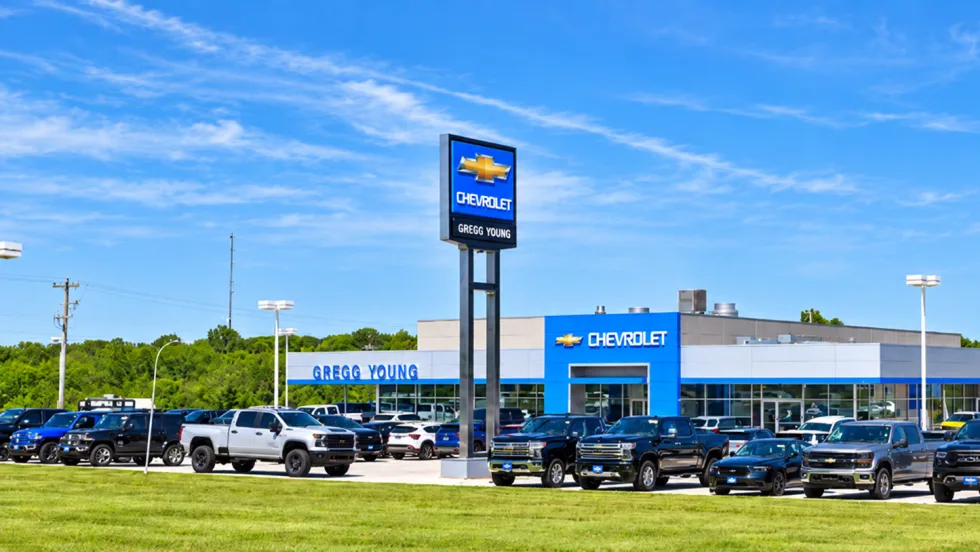
Nebraska Rooftop Changes Hands
The Gregg Young Automotive Group has sold its second dealership to Janssen Auto Group, both in Plattsmouth, Neb.
Read More →
Penske Auto Group Deal a Record
The deal to take the dealership and transportation services company private sets a new pace for industry buy-sell transactions.
Read More →
War Toll a Damper on Used Auto Prices
Cox Automotive found wholesale depreciation to be elevated in September amid high fuel prices and this year's unusual hurricane season.
Read More →
Bridge the Maintenance Gap
With many drivers missing recommended maintenance, service departments offering transparency and efficiency have a better chance of reaching financially strained consumers.
Read More →
California Store Has New Owner
The longtime dealership in the northern part of the state is known for robust fleet sales and has served the state capital for 115 years.
Read More →
BMW Plant Pursues Cleaner Energy
BMW Group Plant Leipzig has utilized hydrogen to help power its production since 2013, but a new pipeline is planned to take it to another level.
Read More →
Auto Affordability Inches Up
The latest Cox Automotive and Moody’s Analytics index shows a slight increase in new-vehicle affordability despite high prices.
Read More →
Ohio Auto Group Under New Ownership
After 79 years with the Schluter family, Mansfield Auto Group has been acquired by Missouri-based Clement Auto Group.
Read More →
RV Group Expands Carolina Footprint
Blue Compass RV Columbia Northeast is the 13th RV dealership owned by Blue Compass in the Carolinas.
Read More →
Agent Acumen
An Agent Summit panel of people who’ve been supporting auto dealers for years gave both timely and timeless advice for those starting out or mulling the prospect.
Read More →