



Opinion: GM’s New Warranty May Hurt, Not Help, Dealers
General Motors’ extended bumper-to-bumper warranty would appear to benefit all sides, but dealers should consider alternatives to maximize profits — and control.
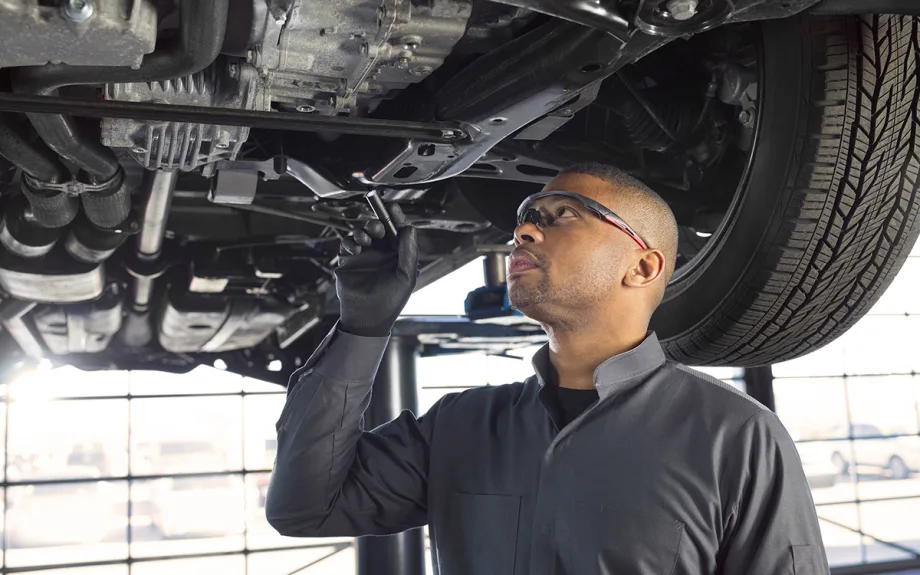
General Motors’ extended basic warranty pushes coverage to five years or 60,000 miles for Chevrolet and GMC models and six years or 70,000 miles for Buicks and Cadillacs.
Photo courtesy General Motors Co.
According to the U.S. Department of Transportation, the average age of today’s cars and trucks is more than 11 years, up from 8.4 years in 1995. Despite this, having the right peace of mind in place to protect against unforeseen breakdowns, repairs, and replacements remains a priority for consumers, particularly when it comes to the purchase decision for their next vehicle.
To help cater to this need, GM recently announced that they will now allow customers to extend basic warranty coverage for an additional fee.
The standard factory bumper-to-bumper limited warranty on Chevrolet and GMC products today is three years or 36,000 miles, whichever comes first. On Buicks and Cadillacs, it’s four years or 50,000 miles.
The new program allows GM to allow drivers to extend the basic warranty to five years or 60,000 miles for Chevrolet and GMC customers and six years or 70,000 miles for Buick and Cadillac customers. The cost will be between $1,000 and $2,000, and this can be added on to the vehicle’s financing at the time of purchase.
The Issue
On the surface, it seems like a win-win-win situation for customers, dealers, and, of course, GM. However, a closer look reveals that dealers may have alternatives that benefit them more significantly while continuing to drive customer satisfaction.
Several dealers have expressed uncertainty about the new program. They are worried about the new program interfering with their existing offerings and believe it may benefit GM more than their dealership.
One unnamed dealer was quoted in a recent Automotive News story as saying, “I don’t think they like that dealers can make money on other extended warranties. It’s a way to make more money for them.” In comments following the news story announcing the program, F&I and Showroom reader Gary Powers wrote, “Just another sign of the factory taking control and profits away from the dealership owner!”
The Alternative
In my experience, dealers can generate more profits and control their own program elements to better meet the needs of their customers under programs such as a dealer-owned warranty company. Under a DOWC, dealers own, market and sell their own branded F&I program. Besides greater profit potential on F&I sales, the great benefit here lies in the fact that dealers can actually tailor and customize their own F&I offerings to better align with the needs of their customer base.
What’s more, this program is beneficial for non-GM vehicles. For example, a dealer can build a portfolio of F&I products that meets the coverage needs of their market and their inventory — new and used. These F&I products can range from service contracts to ancillary products. In addition, dealers can ensure they are providing an F&I program that aligns with the needs of consumers in the communities they serve.
Under GM’s program, limited profit margins will be a significant issue. This is important, since more than three-quarters (78.8%) of dealers recently surveyed said their current F&I products don’t offer enough margin for the dealership, and nearly half (48.5%) said their current F&I offerings are too much of an administrative burden.
A DOWC program has the ability to assist with both of these challenges while offering the customer exactly the peace of mind they seek in keeping their cars and trucks on the road for as long as possible.
Rick Kurtz is senior vice president of distribution for Protective Asset Protection.
Originally posted on F&I and Showroom
More Industry
War Toll a Damper on Used Auto Prices
Cox Automotive found wholesale depreciation to be elevated in September amid high fuel prices and this year's unusual hurricane season.
Read More →
Bridge the Maintenance Gap
With many drivers missing recommended maintenance, service departments offering transparency and efficiency have a better chance of reaching financially strained consumers.
Read More →
California Store Has New Owner
The longtime dealership in the northern part of the state is known for robust fleet sales and has served the state capital for 115 years.
Read More →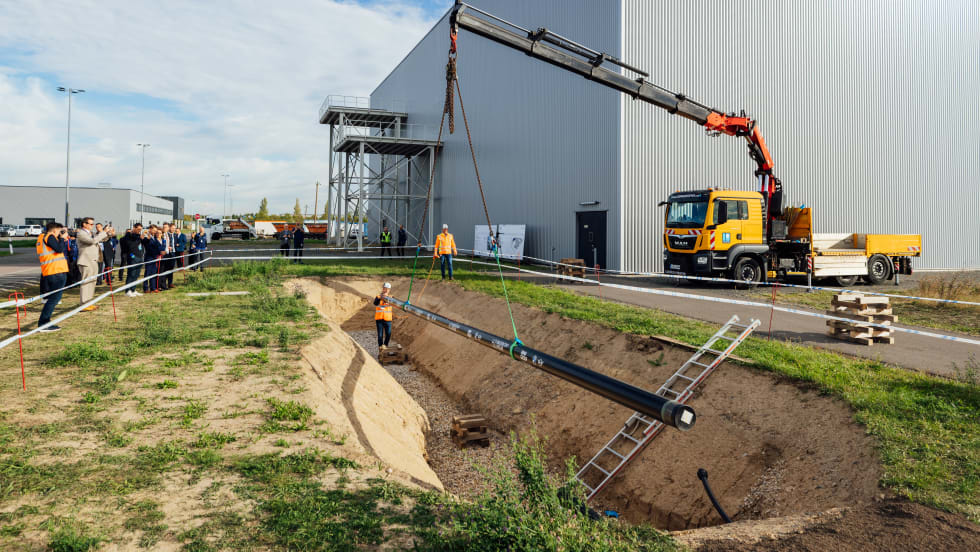
BMW Plant Pursues Cleaner Energy
BMW Group Plant Leipzig has utilized hydrogen to help power its production since 2013, but a new pipeline is planned to take it to another level.
Read More →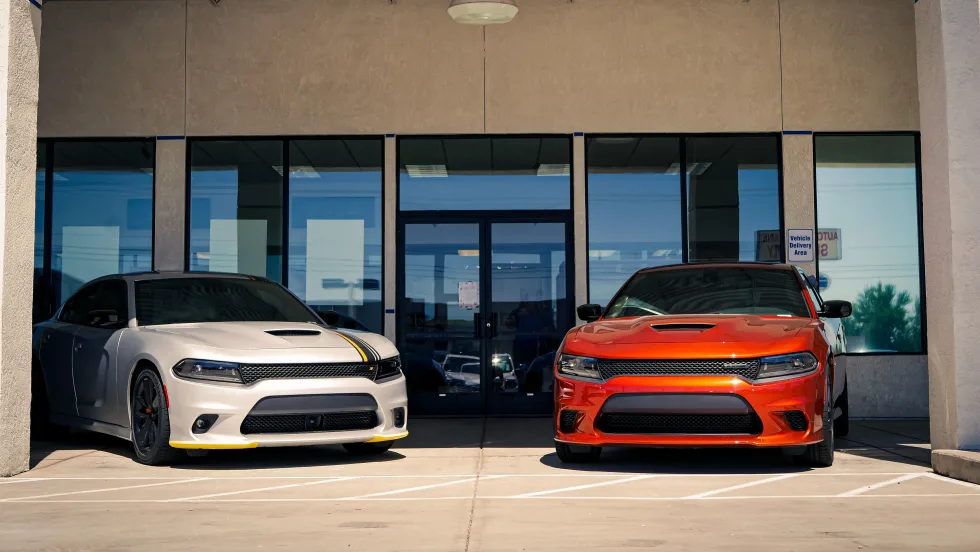
Auto Affordability Inches Up
The latest Cox Automotive and Moody’s Analytics index shows a slight increase in new-vehicle affordability despite high prices.
Read More →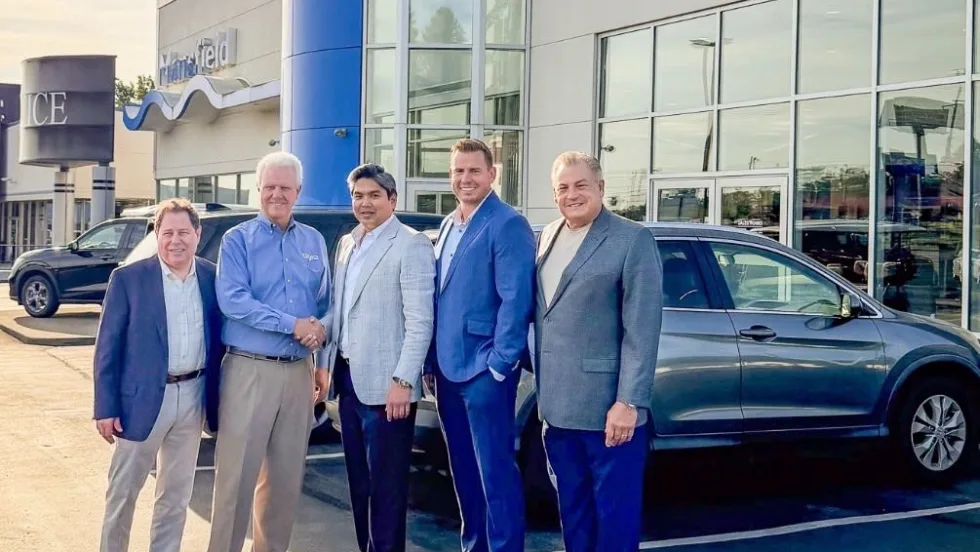
Ohio Auto Group Under New Ownership
After 79 years with the Schluter family, Mansfield Auto Group has been acquired by Missouri-based Clement Auto Group.
Read More →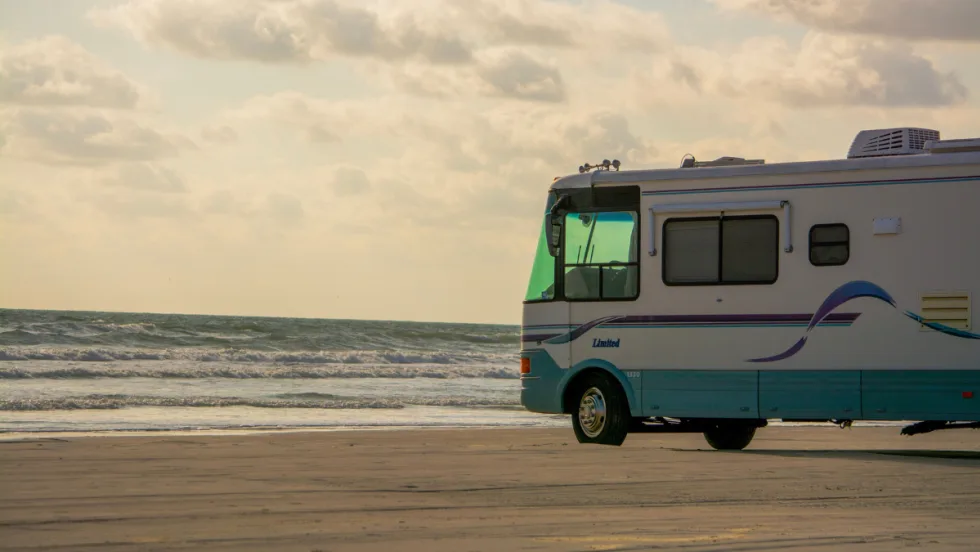
RV Group Expands Carolina Footprint
Blue Compass RV Columbia Northeast is the 13th RV dealership owned by Blue Compass in the Carolinas.
Read More →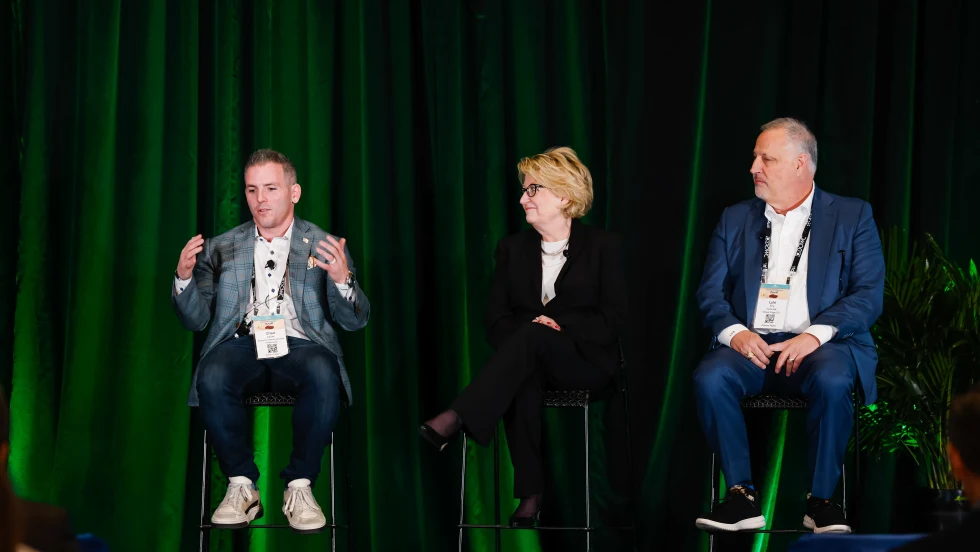
Agent Acumen
An Agent Summit panel of people who’ve been supporting auto dealers for years gave both timely and timeless advice for those starting out or mulling the prospect.
Read More →
Missed Maintenance Creates Opportunity
As families get back on the road and into daily school routines, service drives have an opportunity to capture customers who are behind on recommended vehicle maintenance.
Read More →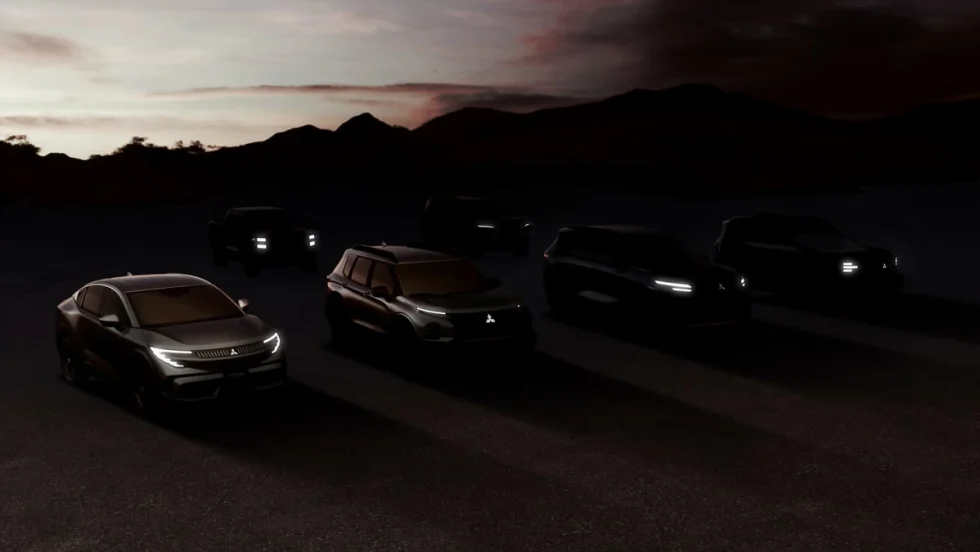
Mitsubishi Unveils U.S. Plan
The automaker announced a strategy that includes an expanded lineup and dealership presence, along with more ‘rugged’ and electric models.
Read More →