



EVs Drive Changes in F&I
As electric vehicles become more commonplace, the need for dedicated F&I products grows.
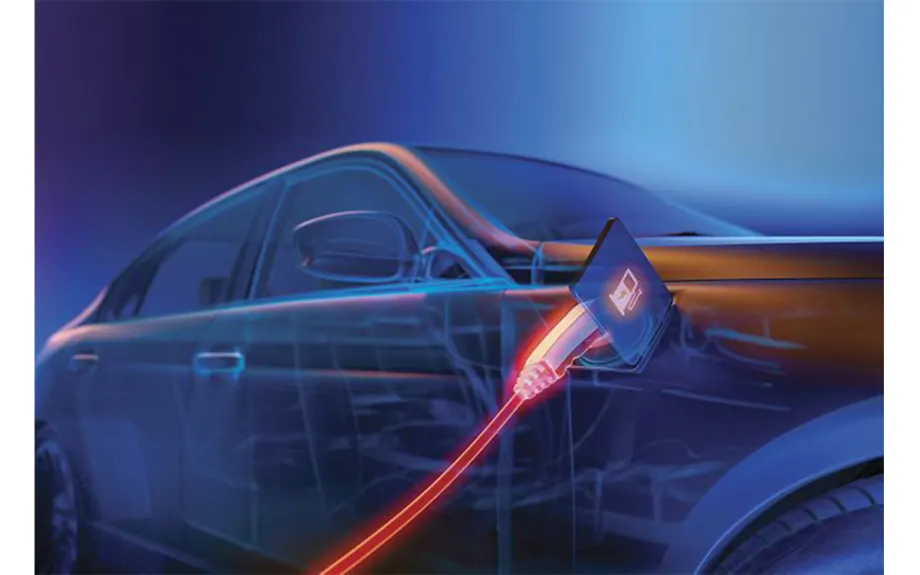
As electric vehicles become more commonplace, the need for dedicated F&I products grows.
IMAGE: Getty Images
About a year ago, the Biden Administration accelerated electric vehicle (EV) adoption and charger deployment.
This push moved electric vehicles to the forefront. The Administration has since released an EV Charging Action Plan that earmarks $5 billion to build a national charging network and $7 billion to accelerate innovations and battery supply chains across the country.
President Biden also signed an executive order aiming for half of all new vehicles to be electric by 2030.
Vehicle manufacturers followed his lead with strategies of their own. Bentley promised to make all of its vehicles EVs by 2030. Ford announced plans to become carbon neutral by 2050, while General Motors announced the same intention by 2040. Honda reported 40% of its North American vehicle sales will be battery electric or hydrogen by 2030 and announced plans to phase out combustion engine vehicles by 2040.
As the auto industry races toward an EV future, F&I products must evolve and do the same, reports Josh Bass, vice president of Product Development for JM&A Group.
“We’ve offered EV products for years and have dedicated EV contracts,” he says. “We believe this is a growing trend. As more people purchase EVs, the need for specific EV F&I products will grow.”
Why the Industry Needs EV-Focused F&I Products
EVs play a vital role in reducing carbon footprints on a global scale, but they differ from ICE vehicles and require F&I contracts that reflect those differences. With EVs:
An electric motor replaces the gasoline engine,
A controller acts as the motor’s power source, and
The controller derives its power from rechargeable batteries.
These changes affect service and maintenance needs and, in turn, F&I contracts. EVs have newer technologies like batteries and software that demand regular servicing.
An EV doesn’t have an engine, so it no longer requires oil changes. But EVs still need tire rotations, for example, sometimes more often than ICE vehicles.
With these changes in mind, consumers now seek dedicated F&I contracts for their EVs to provide assurance as they purchase vehicles using cutting-edge technological innovations.
“We need to help dealers get ahead of the curve and provide consumer products that evolve as EV technology evolves,” he says. “A dedicated EV product provides opportunities for dealers to bring EV customers back into the dealership to provide these services and continue to build that relationship with customers.”
Better Battery Coverage
One key area to address in F&I products is the battery. Depending on the vehicle, an EV battery can cost between $3,000 and $16,000 to replace, reports Greencars.com. If a battery fails faster than expected, it's costly for consumers.
“We’ve got to help consumers protect their investment as the vehicle ages,” Bass says. “The battery is the most important and costly component on an EV.”
But battery technology is among the least understood of EV components. JM&A Group has conducted research designed to increase visibility into how battery technology degrades over time, which will help companies offer EV-specific F&I products that better protect consumers over the life of their vehicles.
“We are using predictive analytics and data science measures to better understand these batteries,” he says. “We can see how they’re behaving when someone drives a new EV off the lot. But we don’t know what will happen years from now. What does the data show for ownership five to six years out? What will happen with these batteries? We must know these things to protect consumers with products that provide peace of mind.”
As used EVs show up on dealer lots, F&I providers also must deliver EV warranties for dealers. “We are hearing from dealers that warranties are becoming critically important as used vehicles show up,” he says.
He adds, “The good news is you can take a service, maintenance, or warranty contract and cover most of the service EVs require. Some traditional products that have been on the market for some time, such as GAP, Tire & Wheel protection, apply to all vehicles, whether they are ICE vehicles or EVs.”
What to Look For
Still, dealerships will find it best to seek EV-specific offerings, though Bass says not every offering needs to center on EVs.
Some products apply to both EVs and ICE vehicles. While it’s important to provide a full suite of products, he adds, it’s also essential to provide product offerings with targeted inclusions and exclusions specific to EVs.
“You don’t want to offer a consumer a product that is priced and able to cover the engine of a vehicle,” he says. “That wouldn’t make sense to a consumer buying an EV that doesn’t have an engine.”
He adds, “Dealers want to offer consumers excellent products that they will use to achieve good customer utilization. Maintenance products function as a retention opportunity for dealers. A major measure of success for these programs is whether customers return for service and maintenance. The more a dealer can bring a customer back to the service drive, the more touchpoints they have and the better their relationship becomes with that customer.”
“Consumers might have questions that are hard to overcome,” he says. “Dealers must be equipped with answers to their questions and help them find partners who can set up a charging location at their homes. They need to discuss charging with customers with range anxiety.”
Answer Questions
With this modern technology comes a host of questions EV buyers have regarding their ownership of the vehicle. Frequent questions include:
How will they use and interact with the technology in the vehicle?
How will they charge the vehicle?
Where will they charge it? At home, on the road, at commercial locations?
What new maintenance needs do EVs have?
Ronnie Wendt is an editor at F&I and Showroom.
More Industry

Penske Auto Group Deal a Record
The deal to take the dealership and transportation services company private sets a new pace for industry buy-sell transactions.
Read More →
War Toll a Damper on Used Auto Prices
Cox Automotive found wholesale depreciation to be elevated in September amid high fuel prices and this year's unusual hurricane season.
Read More →
Bridge the Maintenance Gap
With many drivers missing recommended maintenance, service departments offering transparency and efficiency have a better chance of reaching financially strained consumers.
Read More →
California Store Has New Owner
The longtime dealership in the northern part of the state is known for robust fleet sales and has served the state capital for 115 years.
Read More →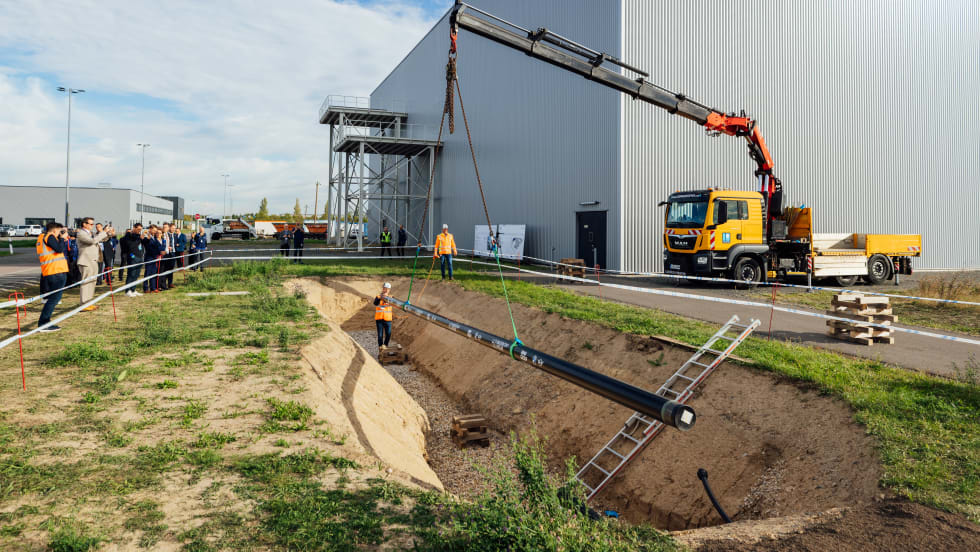
BMW Plant Pursues Cleaner Energy
BMW Group Plant Leipzig has utilized hydrogen to help power its production since 2013, but a new pipeline is planned to take it to another level.
Read More →
Auto Affordability Inches Up
The latest Cox Automotive and Moody’s Analytics index shows a slight increase in new-vehicle affordability despite high prices.
Read More →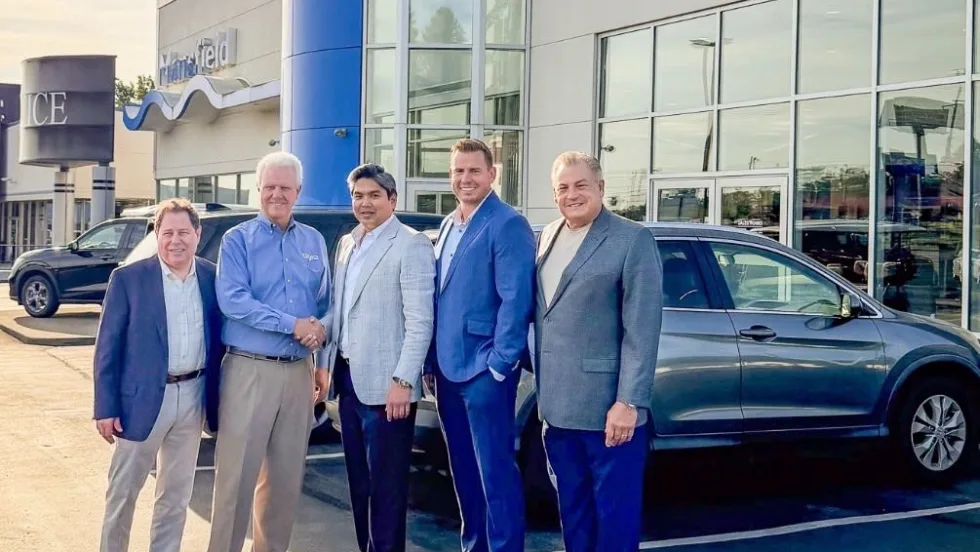
Ohio Auto Group Under New Ownership
After 79 years with the Schluter family, Mansfield Auto Group has been acquired by Missouri-based Clement Auto Group.
Read More →
RV Group Expands Carolina Footprint
Blue Compass RV Columbia Northeast is the 13th RV dealership owned by Blue Compass in the Carolinas.
Read More →
Agent Acumen
An Agent Summit panel of people who’ve been supporting auto dealers for years gave both timely and timeless advice for those starting out or mulling the prospect.
Read More →
Missed Maintenance Creates Opportunity
As families get back on the road and into daily school routines, service drives have an opportunity to capture customers who are behind on recommended vehicle maintenance.
Read More →