



California: An Unlikely Compliance Model
I propose that your F&I and sales disclosure compliance models mirror the sales and F&I processes at dealerships in California — what is required by statute in California, should be considered best practices in the other 49 states.
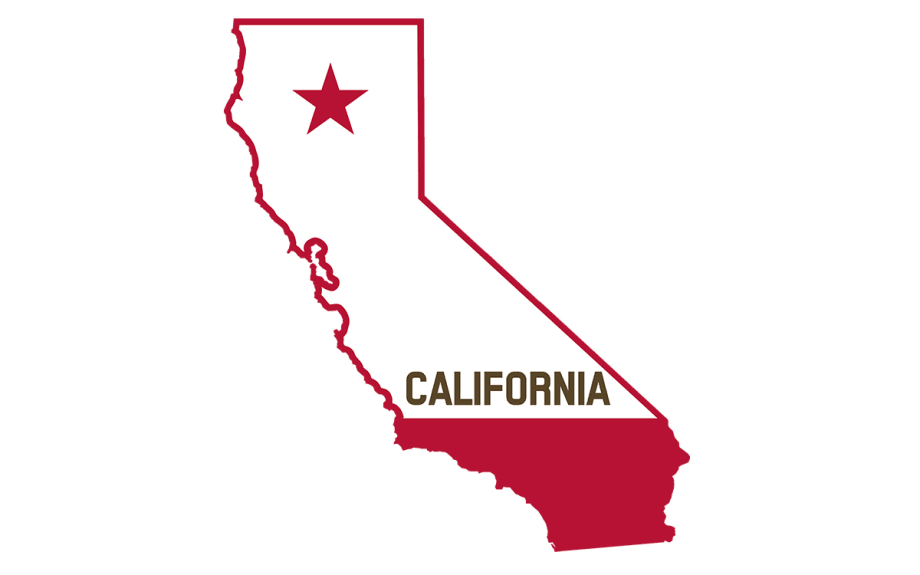
I propose that your F&I and sales disclosure compliance models mirror the sales and F&I processes at dealerships in California — what is required by statute in California, should be considered best practices in the other 49 states.
Some of my fellow consultant friends who specialize in leading 20 group discussions or profitability training tell me that California dealers generally maintain higher grosses, profits, and customer satisfaction ratings than the dealers in a majority of the other 49 states.
I propose that your F&I and sales disclosure compliance models mirror the sales and F&I processes at dealerships in California.
One of my past employers saw fit to send this Midwestern boy to Southern California early in my management career. I went there with trepidation. I had bought into the Kool-Aid that California dealers were aggressive to the point of being deceptive; that California dealers were innovative. After all, they perfected the spot delivery process about the same time Mr. Gore invented the internet.
While there, I had lunch with a dealer principal who told me his job was to put cars over the curb by any means. My job was to catch him — and he was sincere.
Then, a few years after I left, the infamous expose of Southern California F&I managers going to jail for payment packing ran on one of the national morning shows and put California dealers right next to Washington dealers on the shelf of payment-packing dealers.
What I now know is completely different. California dealers, like most dealers, are bright, driven, flexible, aggressive, adaptable, resilient business people.
Today, I propose that your F&I and sales disclosure compliance models mirror the sales and F&I processes at dealerships in California. I can’t think of a better way to stiff-arm the federales thoughts of imposing further legislative requirements on the industry than to have a fully transparent sales and F&I process in place. Because, what is required by statute in California, should be considered best practices in the other 49 states.
Why California?
When the California Car Buyer Bill of Rights and subsequent legislation forced disclosures by statute, the dealers modified and improved their processes. Gone were the stuffing of products into the final agreement without the customer’s knowledge.
The process changes resulting from new legislation help complying California dealers to have a deal file that can usually withstand the scrutiny of a deceptive practices inquiry.
Pre-Contract Disclosure
By statute, California dealers must execute a form called a Pre-Contract Disclosure (PCD) that discloses the base amount financed, term, APR, and payment. Included on this form is the list of optional products, with pricing, that the customer agreed to purchase in F&I, including the total amount of the optional products purchased. Finally, there is a disclosure of the final agreed upon payment including the purchased products.
It is noticeably clear on the PCD what the payment walk is, and it requires the customer’s agreement to it. The PCD very definitely establishes a paper trail connecting the agreed upon vehicle purchase price from the sales department to the final transaction documented by the RISC.
The PCD, properly completed, helps to create a defensible paper trail. A properly completed menu can do the same in the other 49 states.
California RISC
The same California RISC that enabled dealers to pack payments in the mid-nineties now gives a California dealer its best defense against packing products. There are three lines to disclose theft deterrent devices, two lines to disclose surface protection products, and five lines to disclose service contracts.
And, of course, a line for gap.
With a properly executed RISC, a customer cannot support a claim that she did not know what she was purchasing or how much it cost. Can you say that about the RISC in use in your state?
Another California Nuance
Another California requirement in addition to documenting the paper trail with the PCD and RISC may also serve as a best practice in some other states. A California dealer is required to send a notice to the customer within 10 days of contracting the deal if the dealer is struggling to gain approval or funding on the contract. Other states have a similar requirement ranging from five days to a dealer-imposed time limit, typically 30 days.
Many states do not have such a requirement. If your state doesn’t have a similar requirement, you can establish one for your dealership.
In the past, I have written about the importance for a dealer to implement and document the use of a Compliance Management System for sales and F&I processes. The California disclosure model fits nicely into an overall Compliance Management System.
Stay safe, good luck, and good selling!
Gil Van Over is the executive director of Automotive Compliance Education (ACE), the founder and president of gvo3 & Associates, and author of Automotive Compliance in a Digital World.
Originally posted on Auto Dealer Today
More Industry

Penske Auto Group Deal a Record
The deal to take the dealership and transportation services company private sets a new pace for industry buy-sell transactions.
Read More →
War Toll a Damper on Used Auto Prices
Cox Automotive found wholesale depreciation to be elevated in September amid high fuel prices and this year's unusual hurricane season.
Read More →
Bridge the Maintenance Gap
With many drivers missing recommended maintenance, service departments offering transparency and efficiency have a better chance of reaching financially strained consumers.
Read More →
California Store Has New Owner
The longtime dealership in the northern part of the state is known for robust fleet sales and has served the state capital for 115 years.
Read More →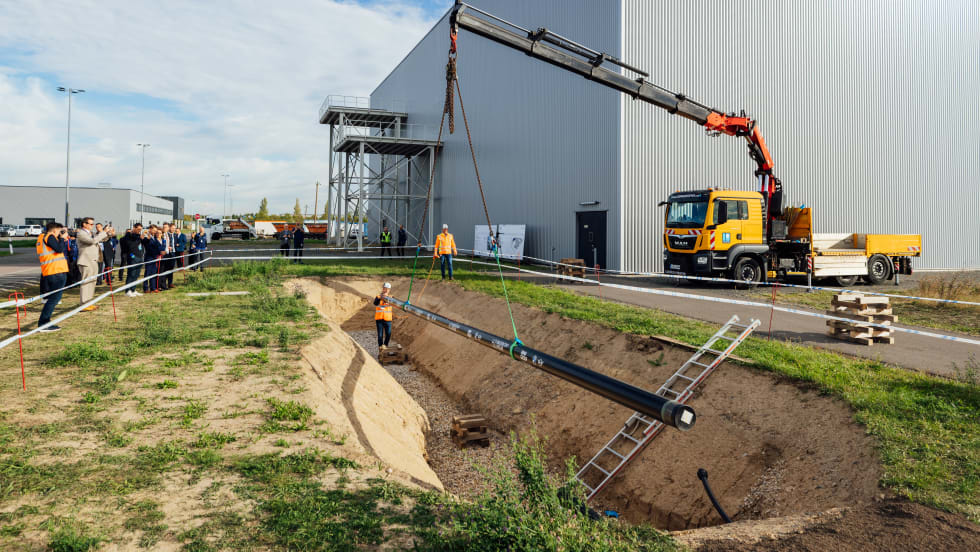
BMW Plant Pursues Cleaner Energy
BMW Group Plant Leipzig has utilized hydrogen to help power its production since 2013, but a new pipeline is planned to take it to another level.
Read More →
Auto Affordability Inches Up
The latest Cox Automotive and Moody’s Analytics index shows a slight increase in new-vehicle affordability despite high prices.
Read More →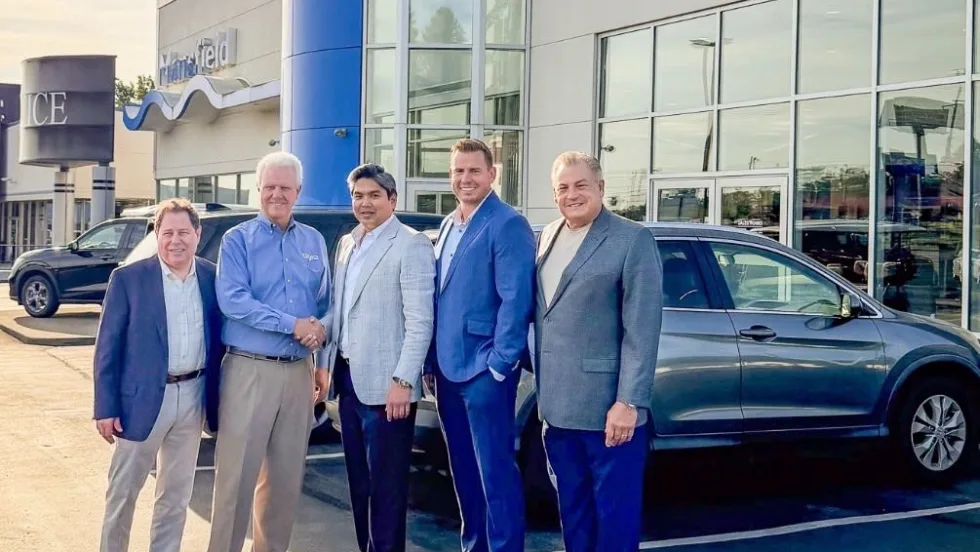
Ohio Auto Group Under New Ownership
After 79 years with the Schluter family, Mansfield Auto Group has been acquired by Missouri-based Clement Auto Group.
Read More →
RV Group Expands Carolina Footprint
Blue Compass RV Columbia Northeast is the 13th RV dealership owned by Blue Compass in the Carolinas.
Read More →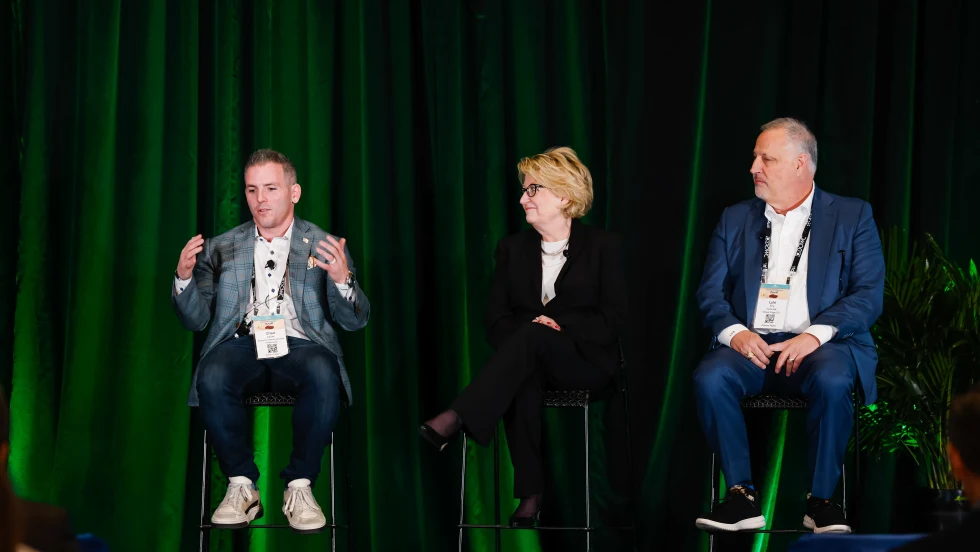
Agent Acumen
An Agent Summit panel of people who’ve been supporting auto dealers for years gave both timely and timeless advice for those starting out or mulling the prospect.
Read More →
Missed Maintenance Creates Opportunity
As families get back on the road and into daily school routines, service drives have an opportunity to capture customers who are behind on recommended vehicle maintenance.
Read More →