



BHPH for New-Car Dealers and Agents


BHPH for New-Car Dealers and Agents
Meet Ken Shilson, founder and president of the National Alliance of Buy Here, Pay Here Dealers (NABD). Shilson is also a CPA and the head of Subprime Analytics, a Houston-based firm that provides accounting services to BHPH dealers across the country and beyond.
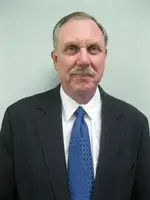
In his spare time, he serves as show chair for the NABD’s many events. The association’s 14th annual National Conference was held in Las Vegas in May, and Shilson has two more meetings to go before the year is out: The first-ever BHPH Boot Camp in Charlotte, N.C., in August; in October, the East Coast BHPH Conference returns to Atlanta for its second year.
Several years ago, Shilson was among the first to identify an emerging trend: New-car dealers were beginning to enter the BHPH segment in force. To help launch Agent Entrepreneur’s BHPH channel, we caught up with Shilson to get an update on the trend and learn how agents can play a role.
AE: Here’s our premise: Agents can introduce their new-car dealer clients to BHPH as a new revenue stream. What do you think?
Shilson:
That’s something I’ve struggled with. What is holding the agents back? I believe it’s a combination of a lack of familiarity with the segment and the fact that agents are in a product-heavy business.
AE: When new-car dealers became interested in special finance, agents and product providers adapted.
Shilson:
True, and it makes sense to tie special finance and buy here, pay here together. But there are lots of add-ons in subprime and they’re lucrative for agents. Add-on products in buy here, pay here aren’t nearly as well-established, and the BHPH customer has only so much money to spend.
AE: What about vehicle service contracts?
Shilson:
The service contract absolutely does well in buy here, pay here. The initial problem, for agents, was that they wanted the price of the VSC covered upfront. BHPH operators are already putting plenty of money on the street.
AE: The providers must see the potential in that market. Have they asked you how to close the financing gap?
Shilson:
We were involved to the extent that the VSC providers started coming to the shows and asking questions. They definitely learned to reshape their deals. I would say that’s all happened just within the last 36 months.
AE: How about GAP insurance?
Shilson:
Well, obviously, that differs by state. Each has its own set of regulations. And GAP works best for the indirect dealer: Finance companies buy contracts from the dealers, and they need protection if the customer wrecks the car. Most operators who write their own deals simply don’t do it.
AE: Do you expect that to change? Will more product providers follow new-car dealers into buy here, pay here and create opportunities for agents?
Shilson:
There may not be a direct connection, but that doesn’t mean there can’t be. We don’t currently do anything specifically for agents, but they have attended our events.
AE: How can an agent help ensure that a client who’s new to buy here, pay here remains profitable?
Shilson:
There are so many resources that new-car dealers simply don’t know much about. Our show in May drew about 1,300 attendees, and that was preceded by our Dealer Academy, which had about 450 dealers. It was divided into two tracks: Track One was for people new to the business and Track Two was for experienced operators.
The majority of those in Track One were representing new-car dealerships. We try to get them to build their business model correctly and chart their capital requirements. You have to get that right, and you have to pick the right location, people and technology.
It’s pretty evident that there’s no longer a lot of profit to be made from selling new cars. Rather than lose those customers, dealers are adapting. If agents want to help, I encourage them to learn all they can about buy here, pay here.
Check this channel in the future for more information from Ken Shilson and other experts in the industry. For more information about the NABD and upcoming events, visit www.bhphinfo.com.
More Industry

Penske Auto Group Deal a Record
The deal to take the dealership and transportation services company private sets a new pace for industry buy-sell transactions.
Read More →
War Toll a Damper on Used Auto Prices
Cox Automotive found wholesale depreciation to be elevated in September amid high fuel prices and this year's unusual hurricane season.
Read More →
Bridge the Maintenance Gap
With many drivers missing recommended maintenance, service departments offering transparency and efficiency have a better chance of reaching financially strained consumers.
Read More →
California Store Has New Owner
The longtime dealership in the northern part of the state is known for robust fleet sales and has served the state capital for 115 years.
Read More →
BMW Plant Pursues Cleaner Energy
BMW Group Plant Leipzig has utilized hydrogen to help power its production since 2013, but a new pipeline is planned to take it to another level.
Read More →
Auto Affordability Inches Up
The latest Cox Automotive and Moody’s Analytics index shows a slight increase in new-vehicle affordability despite high prices.
Read More →
Ohio Auto Group Under New Ownership
After 79 years with the Schluter family, Mansfield Auto Group has been acquired by Missouri-based Clement Auto Group.
Read More →
RV Group Expands Carolina Footprint
Blue Compass RV Columbia Northeast is the 13th RV dealership owned by Blue Compass in the Carolinas.
Read More →
Agent Acumen
An Agent Summit panel of people who’ve been supporting auto dealers for years gave both timely and timeless advice for those starting out or mulling the prospect.
Read More →
Missed Maintenance Creates Opportunity
As families get back on the road and into daily school routines, service drives have an opportunity to capture customers who are behind on recommended vehicle maintenance.
Read More →