



A Contract Is a Contract, Right?

A Contract Is a Contract, Right?
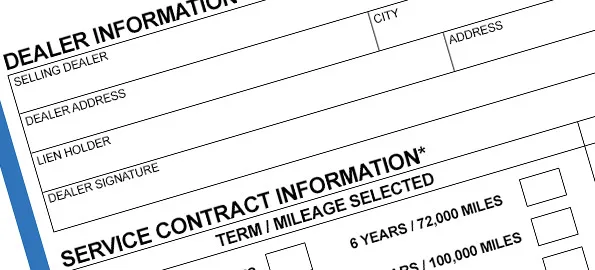
Gone are the days where a handshake meant an honored agreement. The consumer product agreement is always changing, creating more work to make sure your dealers’ forms are current and accurate. The need to speed up F&I while minimizing financial risks and regulatory impacts places great urgency on the dealer to econtract aftermarket products.
The industry has accepted this reality, but dealer adoption still lags. Most agree that econtracting is easy. Getting dealers to change habits is the challenge.
“Agents and dealers who embrace econtracting see higher penetration rates, as well as fewer errors and cancelations,” says Justin Eichmann, ecommerce manager for CNA National Warranty Corp. “We recognize that selling styles differ from dealership to dealership. As such, our web services allow for numerous integration options with a wealth of third-party menu providers. When integrated econtracting is easy and flexible, it becomes much more appealing to dealerships and more readily adopted.”
Agents Can Take the Lead
The first and most important step is for the agent to help the dealer make an informed decision about their process. Every dealership is unique. While the F&I manager is juggling day-to-day sales and compliance, agents need to help the dealer choose, set up and train the best sales and administration process. Almost all providers offer integrated options to achieve the goal: an accurate point-of-sale contract that is automatically registered in the administration system.
Electronic submission is not the same as econtracting. You need to know whether your dealers are printing their own contracts via their DMS forms library or using technology to print contracts published by the product provider. Where the contract comes from is important. A DMS-published form — even if accounting electronically registers them — has disadvantages compared to provider-published forms (chart below). The trick is to get the provider-published form while the customer is at the desk.
There are two primary methods to create a consumer agreement: via the dealer’s DMS or via their provider’s system. Upon a visual inspection, they should look exactly alike. But let’s examine the differences:
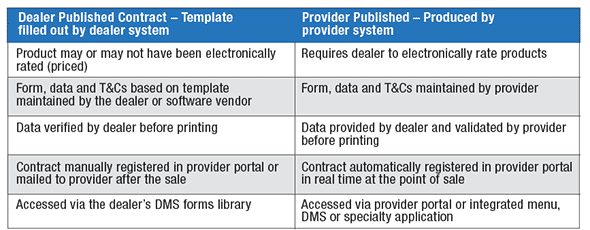
*The contracts may look the same, but the creation and distribution of the information is very different.
There is little question that, when dealers are using tools to properly econtract,, errors and delays are essentially eliminated.
“Econtracting helps both the dealer and agent,” says John Hensley, regional manager for ADG/EasyCare. “It helps the dealer with reconciliation, missing contracts and contract errors. It also provides a great benefit for agents with quicker remits and more accurate reporting.”
Take Advantage of Integrated Options
Integrated econtracting allows dealers to get the best of both worlds. They enjoy the efficiency of staying in the menu or DMS while accessing provider product pricing (erating) and econtracts in real time.
Systems like Reynolds and Reynolds includes integrated product rating and booking into all of their current platforms, including ERA Ignite and POWER DMS, F&I menus and docuPAD. This integration is often the missing piece that is needed to get dealers to fully embrace econtracting. Integrated econtracting eliminates the dealer’s need to jump between systems and rekey data.
“Dealers rely on their systems to make sure product pricing and contract preparation is accurate each time,” says Ed Pontis, director of product planning at Reynolds and Reynolds. “Reynolds’ product rating and booking delivers real-time pricing and contracts by connecting to provider portals.”
The important first step is to talk to your dealers. Help them understand their process, what systems they use and all the options available. How they choose to manage their workflow is ultimately their decision. The important thing is that the complete process — from F&I through accounting — is defined and consistent throughout the dealership team.
More Industry

Penske Auto Group Deal a Record
The deal to take the dealership and transportation services company private sets a new pace for industry buy-sell transactions.
Read More →
War Toll a Damper on Used Auto Prices
Cox Automotive found wholesale depreciation to be elevated in September amid high fuel prices and this year's unusual hurricane season.
Read More →
Bridge the Maintenance Gap
With many drivers missing recommended maintenance, service departments offering transparency and efficiency have a better chance of reaching financially strained consumers.
Read More →
California Store Has New Owner
The longtime dealership in the northern part of the state is known for robust fleet sales and has served the state capital for 115 years.
Read More →
BMW Plant Pursues Cleaner Energy
BMW Group Plant Leipzig has utilized hydrogen to help power its production since 2013, but a new pipeline is planned to take it to another level.
Read More →
Auto Affordability Inches Up
The latest Cox Automotive and Moody’s Analytics index shows a slight increase in new-vehicle affordability despite high prices.
Read More →
Ohio Auto Group Under New Ownership
After 79 years with the Schluter family, Mansfield Auto Group has been acquired by Missouri-based Clement Auto Group.
Read More →
RV Group Expands Carolina Footprint
Blue Compass RV Columbia Northeast is the 13th RV dealership owned by Blue Compass in the Carolinas.
Read More →
Agent Acumen
An Agent Summit panel of people who’ve been supporting auto dealers for years gave both timely and timeless advice for those starting out or mulling the prospect.
Read More →
Missed Maintenance Creates Opportunity
As families get back on the road and into daily school routines, service drives have an opportunity to capture customers who are behind on recommended vehicle maintenance.
Read More →