



Consumers Bracing for Worse
Sentiment survey finds inflation, unemployment concerns, plans to cut spending on items with price hikes.


Some of the pre-emptive spending consumers have already been doing since the spring, including car purchases, can push up inflation.
Pexels/Tima Miroshnichenko
U.S. consumers’ outlook dimmed this month for the first time in four months as many see inflation dragging down conditions, and car purchases are among the most likely to be scratched from their lists.
The University of Michigan sentiment survey showed a 5% decline in consumer outlook. The buying outlook for durable goods alone cratered by 14% to its lowest point in a year due to high prices, according to the survey. Car purchases were the most cited category – 19% – that consumers expect to cut back on or delay.
Current personal finance outlook fell slightly over concerns about purchasing power. The outlook on how personal finances will develop actually rose a tad with an uptick in income expectations, despite the fact that consumers foresee both inflation and unemployment getting worse instead of better, the survey report indicates.
“Overall, consumers are no longer bracing for the worst-case scenario for the economy feared in April when reciprocal tariffs were announced and then paused,” wrote Joanne Hsu, director of consumer surveys.
However, their inflation expectations are on the rise after falling for several months. Looking to the year ahead, they were up about half a percentage point over July, and long-term inflation outlook rose by about the same amount to stay well above 2024 readings.
Taking unemployment expectations alone, 60% of consumers anticipate a worsening job market in the year ahead, comparable to Great Recession levels, the survey found. That compares to 32% last November.
Consequently, less than a quarter of consumers – 24% – foresee their spending levels to be stable for expenses with significant price hikes, concentrated among higher income brackets, according to the survey. Most, meanwhile, expect to cut back on such expenses or even eliminate them. Even fewer higher-income consumers say they’ll keep spending steady, 31%, down from 45% in 2022, when inflation was higher.
Ironically, some of the pre-emptive spending consumers have already been doing since the spring, including car purchases, can push up inflation, the report noted.
Originally posted on Auto Dealer Today
More Industry

Penske Auto Group Deal a Record
The deal to take the dealership and transportation services company private sets a new pace for industry buy-sell transactions.
Read More →
War Toll a Damper on Used Auto Prices
Cox Automotive found wholesale depreciation to be elevated in September amid high fuel prices and this year's unusual hurricane season.
Read More →
Bridge the Maintenance Gap
With many drivers missing recommended maintenance, service departments offering transparency and efficiency have a better chance of reaching financially strained consumers.
Read More →
California Store Has New Owner
The longtime dealership in the northern part of the state is known for robust fleet sales and has served the state capital for 115 years.
Read More →
BMW Plant Pursues Cleaner Energy
BMW Group Plant Leipzig has utilized hydrogen to help power its production since 2013, but a new pipeline is planned to take it to another level.
Read More →
Auto Affordability Inches Up
The latest Cox Automotive and Moody’s Analytics index shows a slight increase in new-vehicle affordability despite high prices.
Read More →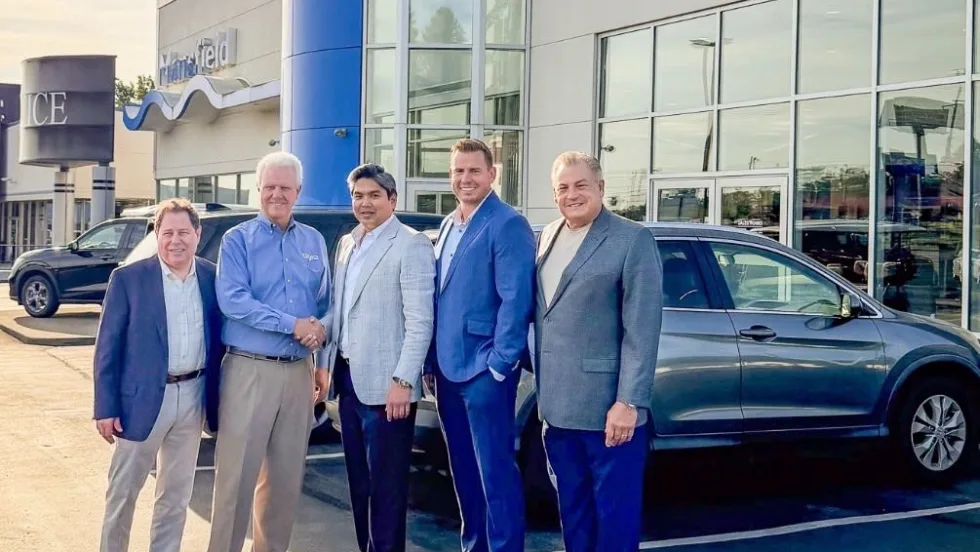
Ohio Auto Group Under New Ownership
After 79 years with the Schluter family, Mansfield Auto Group has been acquired by Missouri-based Clement Auto Group.
Read More →
RV Group Expands Carolina Footprint
Blue Compass RV Columbia Northeast is the 13th RV dealership owned by Blue Compass in the Carolinas.
Read More →
Agent Acumen
An Agent Summit panel of people who’ve been supporting auto dealers for years gave both timely and timeless advice for those starting out or mulling the prospect.
Read More →
Missed Maintenance Creates Opportunity
As families get back on the road and into daily school routines, service drives have an opportunity to capture customers who are behind on recommended vehicle maintenance.
Read More →