



Tariff Impact Forecast
J.D. Power tries to foresee how duties will affect vehicle prices, sales.

Automakers will need to absorb at least some of the tariff costs, including deciding whether to maintain lower-margin but highly tariffed models, J.D. Power predicts.
Pexels/Adrian Gambet
With the obvious caveat that the U.S. economy is challenging to predict right now, a new forecast at least tries to pin down what the auto industry could expect as the rest of the year unfolds.
The J.D. Power look ahead, while acknowledging the undeniable impact of current and impending U.S. trade tariffs on automakers, expects that brands won’t pass on the full cost to consumers since doing so would cut sales.
“In order to maintain reasonable volumes, a large portion of tariffs must be absorbed,” said J.D. Power President of Data and Analytics and Chief Product Officer Thomas King in the forecast.
With those qualifications, it forecasts new-vehicle price increases starting in the late spring and settling at an average of about 5% by the fourth quarter in what J.D. Power calls a “new normal.” That would translate to an average of $2,300 per vehicle, despite current tariff exposure for U.S. retail auto sales equating to an average of $4,782 per vehicle.
The price increases would in turn result in reduced sales for an 8% drop in annualized retail deliveries, or 1.1 million units, J.D. Power expects. Depending on how tariff policy plays out, though, it said the decrease could be as low as 5% or as high as 12%, not taking any larger economic factors into account.
Tariff effects would also be spotty due to automakers’ varying degrees of exposure based on the volume of vehicles and/or auto parts they import, the data provider pointed out. The tariffs could thereby bring different effects even within an individual brand’s lineup.
Automakers will need to absorb at least some of the tariff costs, including deciding whether to maintain lower-margin but highly tariffed models. They could move supply to markets less exposed to tariffs and increase domestic production, along with retooling parts sourcing, J.D. Power said.
Originally posted on F&I and Showroom
More Industry

Penske Auto Group Deal a Record
The deal to take the dealership and transportation services company private sets a new pace for industry buy-sell transactions.
Read More →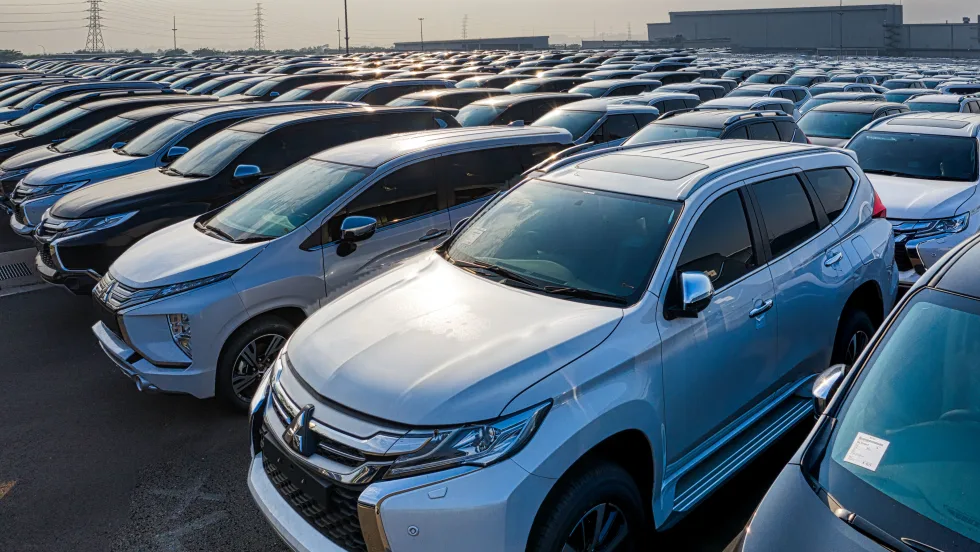
War Toll a Damper on Used Auto Prices
Cox Automotive found wholesale depreciation to be elevated in September amid high fuel prices and this year's unusual hurricane season.
Read More →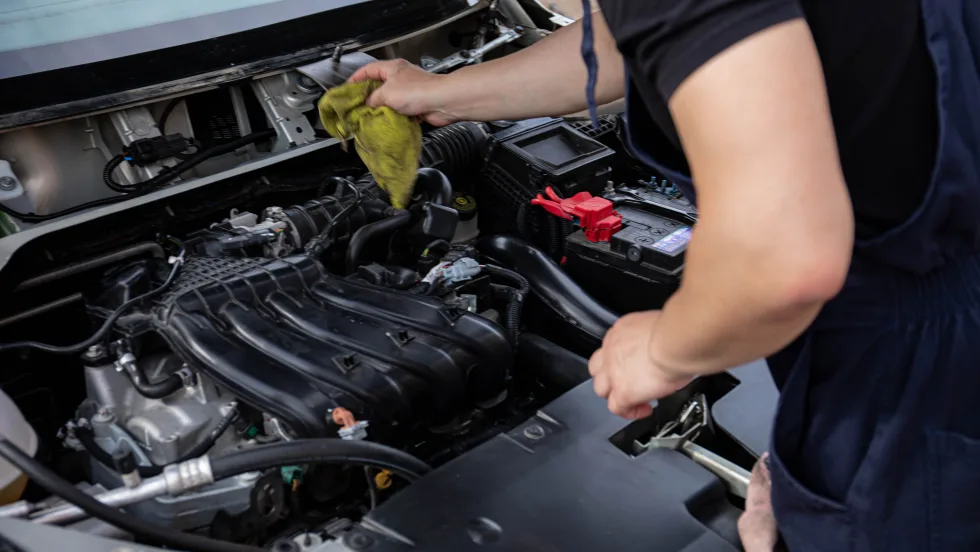
Bridge the Maintenance Gap
With many drivers missing recommended maintenance, service departments offering transparency and efficiency have a better chance of reaching financially strained consumers.
Read More →
California Store Has New Owner
The longtime dealership in the northern part of the state is known for robust fleet sales and has served the state capital for 115 years.
Read More →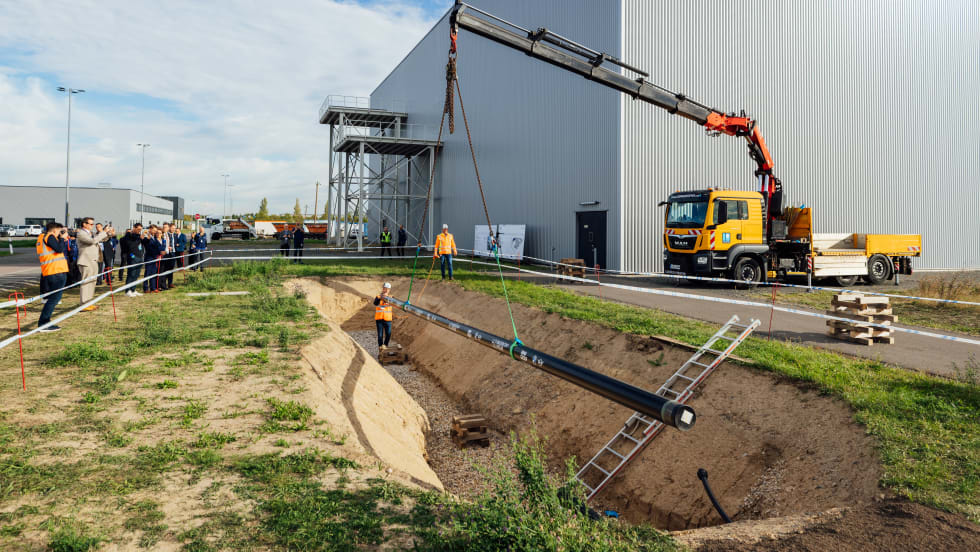
BMW Plant Pursues Cleaner Energy
BMW Group Plant Leipzig has utilized hydrogen to help power its production since 2013, but a new pipeline is planned to take it to another level.
Read More →
Auto Affordability Inches Up
The latest Cox Automotive and Moody’s Analytics index shows a slight increase in new-vehicle affordability despite high prices.
Read More →
Ohio Auto Group Under New Ownership
After 79 years with the Schluter family, Mansfield Auto Group has been acquired by Missouri-based Clement Auto Group.
Read More →
RV Group Expands Carolina Footprint
Blue Compass RV Columbia Northeast is the 13th RV dealership owned by Blue Compass in the Carolinas.
Read More →
Agent Acumen
An Agent Summit panel of people who’ve been supporting auto dealers for years gave both timely and timeless advice for those starting out or mulling the prospect.
Read More →
Missed Maintenance Creates Opportunity
As families get back on the road and into daily school routines, service drives have an opportunity to capture customers who are behind on recommended vehicle maintenance.
Read More →