



Value of EV Tax Credits, on the Chopping Block, Quantified
J.D. Power poll finds they and other incentives are major sales boosters.

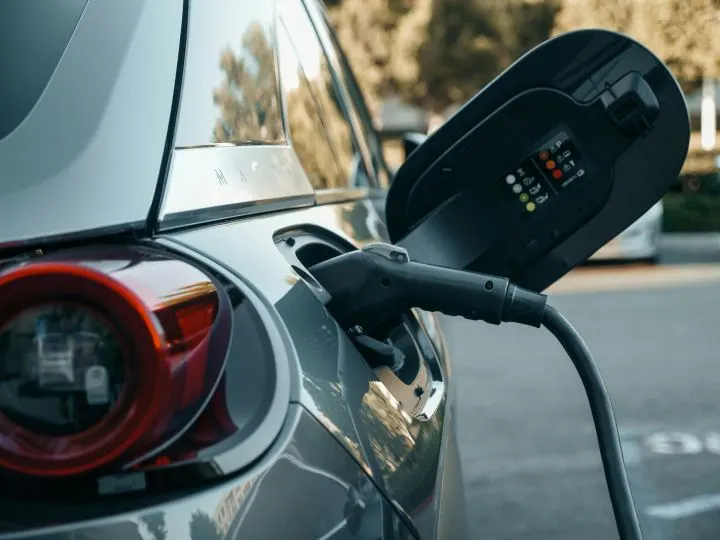
The incoming Trump administration has indicated it plans to eliminate federal tax credits, a plan multiple corners of the auto industry are trying to change.
Pexels/Kindel Media
It’s been clear that federal tax credits for electric-vehicle purchases and leases have played a big role in EV transactions. Newly released research shows just how much.
Essentially half of mass-market EV consumers, or 49%, indicated in a J.D. Power survey that a combination of tax credits and incentives drove their vehicle choice. You might think they would have fewer premium-brand counterparts, but those have been even more influenced, 64% saying the breaks steered them to their specific purchases.
On the whole, 87% of EV acquirers this year received the federal EV tax credit, which totals up to $7,500. Consumers saved an average of $5,124 from that category alone, according to the study, up from $4,302 in 2023 and $1,629 in 2022.
The numbers include Tesla models. In fact, Tesla is among the three brands whose consumers were most influenced by tax breaks and incentives, according to the study. Seventy-two percent of them cited the money-savers as a key reason for their vehicle choices, exceeded only by Volkswagen consumers, at 81%, and Chevrolet acquirers, at 77%. Bringing up the low end of the scale were Hyundai, Kia and Toyota buyers, at 32%, 24% and 21%, respectively.
Lessees have particularly benefited from federal credits, as leases have been exempt from EV battery materials sourcing and vehicle assembly restrictions intended to shore up domestic production.
The credits’ future is in question, though, as the incoming Trump administration has indicated it plans to eliminate them, though many states offer their own credits.
Automakers are trying to head that plan off at the pass. The Alliance for Automotive Innovation, along with a group of EV and battery makers have urged Trump to retain the credit, which has kept EV sales rising, though more slowly than the industry expected several years ago when many automakers vowed to switch to all-EV lineups by the end of the decade. Most have changed up their plans, placing greater emphasis on hybrids to meet more consumers where they are, along with today’s limited charging infrastructure.
Originally posted on F&I and Showroom
More Industry

Penske Auto Group Deal a Record
The deal to take the dealership and transportation services company private sets a new pace for industry buy-sell transactions.
Read More →
War Toll a Damper on Used Auto Prices
Cox Automotive found wholesale depreciation to be elevated in September amid high fuel prices and this year's unusual hurricane season.
Read More →
Bridge the Maintenance Gap
With many drivers missing recommended maintenance, service departments offering transparency and efficiency have a better chance of reaching financially strained consumers.
Read More →
California Store Has New Owner
The longtime dealership in the northern part of the state is known for robust fleet sales and has served the state capital for 115 years.
Read More →
BMW Plant Pursues Cleaner Energy
BMW Group Plant Leipzig has utilized hydrogen to help power its production since 2013, but a new pipeline is planned to take it to another level.
Read More →
Auto Affordability Inches Up
The latest Cox Automotive and Moody’s Analytics index shows a slight increase in new-vehicle affordability despite high prices.
Read More →
Ohio Auto Group Under New Ownership
After 79 years with the Schluter family, Mansfield Auto Group has been acquired by Missouri-based Clement Auto Group.
Read More →
RV Group Expands Carolina Footprint
Blue Compass RV Columbia Northeast is the 13th RV dealership owned by Blue Compass in the Carolinas.
Read More →
Agent Acumen
An Agent Summit panel of people who’ve been supporting auto dealers for years gave both timely and timeless advice for those starting out or mulling the prospect.
Read More →
Missed Maintenance Creates Opportunity
As families get back on the road and into daily school routines, service drives have an opportunity to capture customers who are behind on recommended vehicle maintenance.
Read More →