



Speedy Statistics Broken Down
Report shows groups most likely to be involved in speed-related incidents.


The Honda Civic topped all models on speed-related incidents in the 50 biggest U.S. cities.
Honda
A finance industry analysis revealed the most speed-prone demographics that present vulnerabilities to higher insurance premiums.
The LendingTree report indicates Portland, Ore. Is the most speed-prone of the biggest 50 U.S. cities, as measured by the number of speed-related incidents per 1,000 drivers. Portland drivers had about 12 incidents per 1,000.
The North Carolina-based online lending marketplace doesn’t use the term “crash” or “accident” in the report, so the statistic likely includes citations for speeding without a collision.
Not surprisingly given their youth, the study found Generation Z drivers the most likely to be involved in speed-related incidents, also with about 12 per 1,000 drivers, easily surpassing millennials, who have about seven per 1,000. Baby boomers had the lowest rate at three per 1,000.
The distinction can bring painful repercussions. LendingTree says speeding incidents in the biggest cities make speeders’ average annual insurance premiums about $600 higher.
More important, it’s risky. “Speeding is one of the leading factors in fatal traffic collisions,” said LendingTree auto insurance expert Rob Bhatt. “We could save thousands of lives each year if speeders slowed down.”
Broken down by brand, Subaru drivers are oddly the fastest, according to the report, with about eight incidents per 1,000 drivers, followed closely by BMW drivers, at seven per 1,000, and Infiniti drivers at about the same rate.
At the more specific model level, Honda Civic drivers had the highest incident rate at nine per 1,000, in a virtual tie with Volkswagen Jetta and Chevrolet Camaro drivers.
LEARN MORE: Freeway Speeding Can Endanger Communities
Originally posted on Auto Dealer Today
More Industry

Penske Auto Group Deal a Record
The deal to take the dealership and transportation services company private sets a new pace for industry buy-sell transactions.
Read More →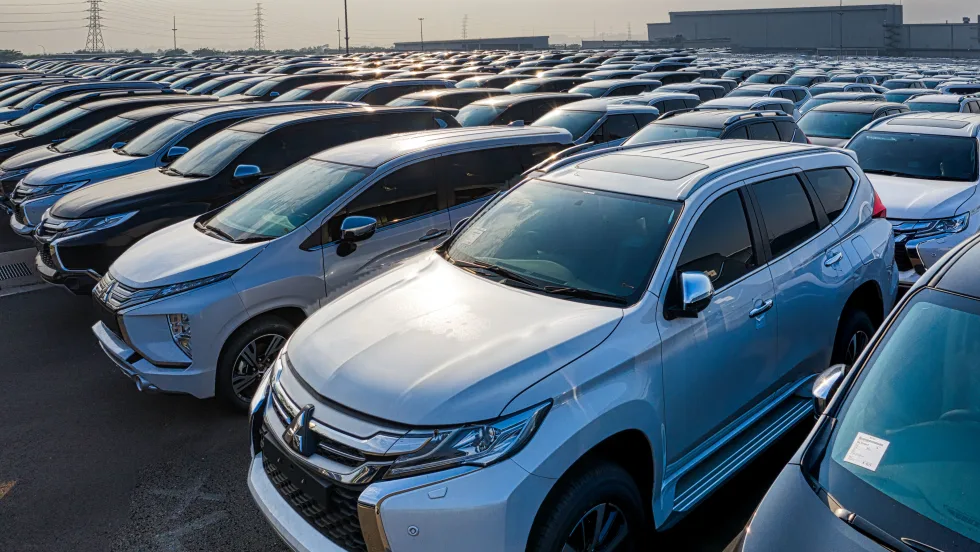
War Toll a Damper on Used Auto Prices
Cox Automotive found wholesale depreciation to be elevated in September amid high fuel prices and this year's unusual hurricane season.
Read More →
Bridge the Maintenance Gap
With many drivers missing recommended maintenance, service departments offering transparency and efficiency have a better chance of reaching financially strained consumers.
Read More →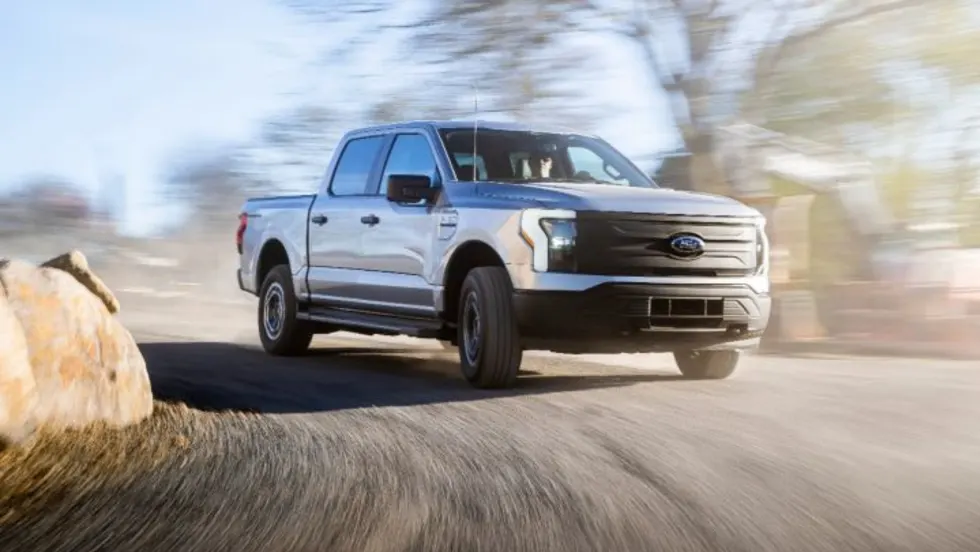
California Store Has New Owner
The longtime dealership in the northern part of the state is known for robust fleet sales and has served the state capital for 115 years.
Read More →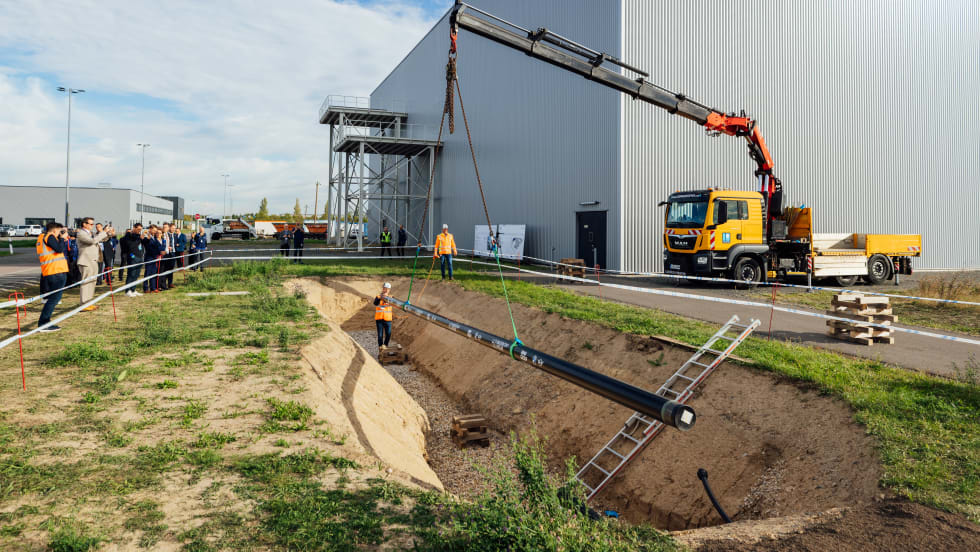
BMW Plant Pursues Cleaner Energy
BMW Group Plant Leipzig has utilized hydrogen to help power its production since 2013, but a new pipeline is planned to take it to another level.
Read More →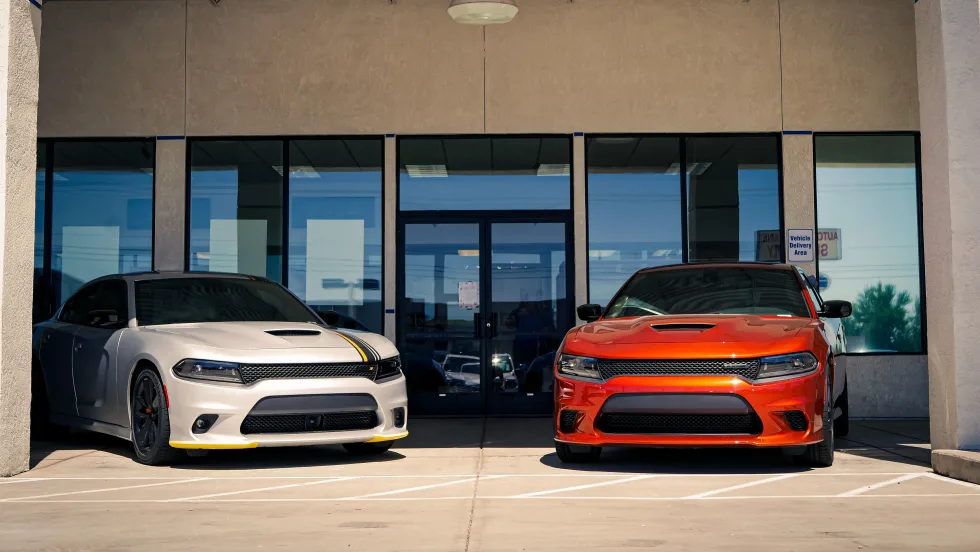
Auto Affordability Inches Up
The latest Cox Automotive and Moody’s Analytics index shows a slight increase in new-vehicle affordability despite high prices.
Read More →
Ohio Auto Group Under New Ownership
After 79 years with the Schluter family, Mansfield Auto Group has been acquired by Missouri-based Clement Auto Group.
Read More →
RV Group Expands Carolina Footprint
Blue Compass RV Columbia Northeast is the 13th RV dealership owned by Blue Compass in the Carolinas.
Read More →
Agent Acumen
An Agent Summit panel of people who’ve been supporting auto dealers for years gave both timely and timeless advice for those starting out or mulling the prospect.
Read More →
Missed Maintenance Creates Opportunity
As families get back on the road and into daily school routines, service drives have an opportunity to capture customers who are behind on recommended vehicle maintenance.
Read More →