



Preventing Bank Fraud
Dealers should establish policies to handle claims and develop strategies to mitigate claims.
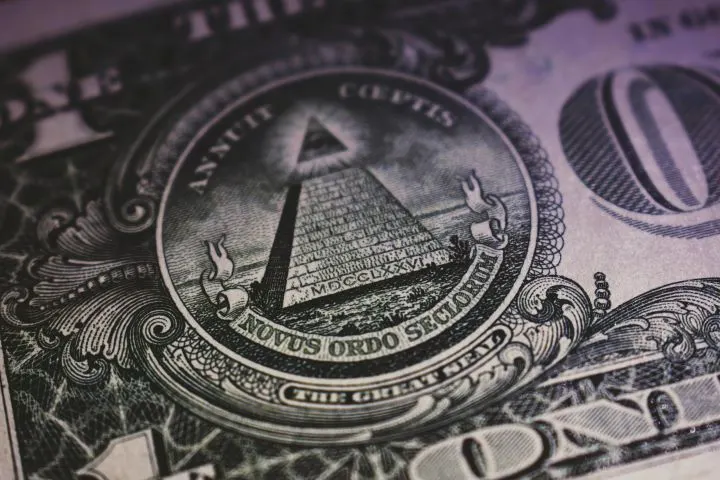
If a lender has reason to believe bank fraud was committed, the dealer could be required to buy back the deal.
Pexels/Dids
Year after year, bank fraud continues to be a top compliance issue in dealerships. I continually stress to dealers how prevalent it is and their continuous need to have no-tolerance policies in place should such issues arise. I hear so many stories of bank fraud, and a lot of times the claims are from a disgruntled or ex-employee.
Dealers must have solid policies in place to deal with these claims. So let’s rehash some common areas of bank fraud that plague a dealership, discuss the potential repercussions dealers face if caught committing these acts of fraud, and what dealers can do to mitigate claims.
Forgeries
Forgery needs no explanation. Never sign or ask another person to sign any documents on behalf of the customer. Even with the customer’s permission, documents should never be signed on their behalf. This includes using Signature on File, or SOF.
Bookout Inconsistencies
Bookout inconsistencies, which is known in the industry as power-booking, is showing nonexistent options on a used car to increase the vehicle value on the bookout worksheet that is sent to the lender. This value is used by the lender to determine the deal’s loan-to-value ratio. Falsifying the vehicle options to increase the value should be strictly forbidden.
Borrower Versus Driver
Borrower-versus-driver, also known as a straw purchase. A deal is considered a straw purchase when a person who is primarily driving and purchasing the vehicle is not a party on the RISC or lease agreement. A dealer should never deliver a deal he or she knows to be a straw purchase.
Credit Application Alterations
Credit application fraud is when the dealer modifies or misrepresents the information provided by the customer on a credit application or coaches the applicant. The five key credit determinants – time at residence, time on the job, occupation, income and housing expense – are what lenders take into consideration when making a credit decision. When the determinants are altered, it is usually done to circumvent underwriting guidelines or make the deal appear more favorable.
Repercussions
There are numerous repercussions a dealer potentially faces if the above examples of fraud occur in a dealership. If the lender has reason to believe bank fraud was committed, the dealer could be required to buy back the deal. Lending institutions may file a Suspicious Activity Report, or SAR, if a transaction smells fishy. Bank fraud allegations can also result in unwanted federal investigations, especially if enough SARs are reported; hefty fines; and unwanted jail time.
Dealership Protection
To protect the dealership and avoid buy-backs, SARs and other repercussions, a dealer must implement policies and procedures and continually follow up to ensure employees adhere to the policies. Dealerships should consider the following:
Have a policy in place that prohibits bank fraud, and establish no-tolerance guidelines.
Train on the policy and have all employees sign an acknowledgement. Be sure to include that violations of the policy could result in termination of employment.
Develop processes to document compliance.
Spot-check signatures within a deal to look for consistent signatures.
Have a responsible employee sign off, attesting to the accuracy of the options listed on the book-out worksheet.
Audit the five key credit determinants provided by the customer on the source credit application to what was submitted to the lender.
Require that any employee who becomes aware of bank fraud occurring in the dealership report it immediately.
I leave you with this last piece of advice: Having a no-tolerance policy in place is the best defense against claims of bank fraud. If a dealer can provide evidence of a policy, show employees’ adherence to the policy, and prove processes to document their compliance, it will likely mitigate any claims of bank fraud brought against them.
Penelope Bell is an associate at Automotive Compliance Education.
Originally posted on F&I and Showroom
More Industry

Penske Auto Group Deal a Record
The deal to take the dealership and transportation services company private sets a new pace for industry buy-sell transactions.
Read More →
War Toll a Damper on Used Auto Prices
Cox Automotive found wholesale depreciation to be elevated in September amid high fuel prices and this year's unusual hurricane season.
Read More →
Bridge the Maintenance Gap
With many drivers missing recommended maintenance, service departments offering transparency and efficiency have a better chance of reaching financially strained consumers.
Read More →
California Store Has New Owner
The longtime dealership in the northern part of the state is known for robust fleet sales and has served the state capital for 115 years.
Read More →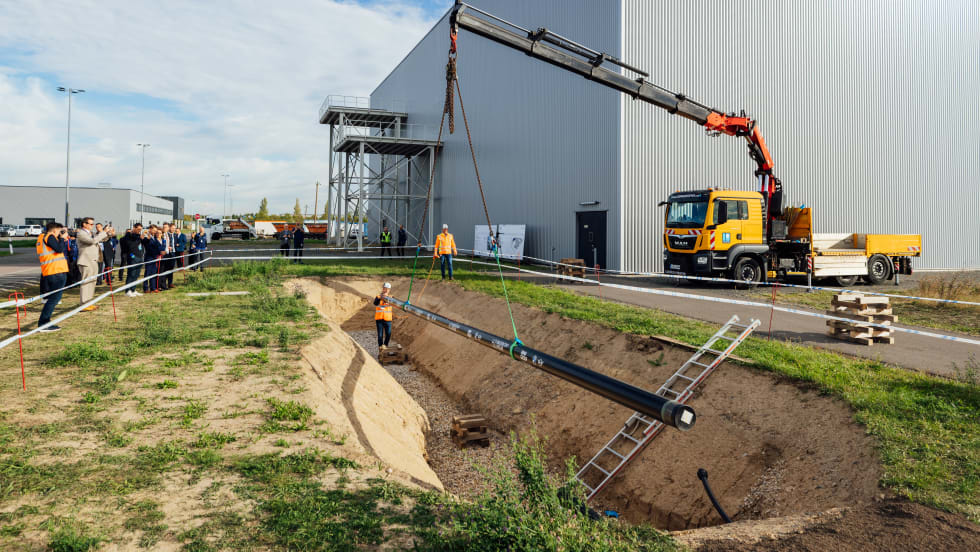
BMW Plant Pursues Cleaner Energy
BMW Group Plant Leipzig has utilized hydrogen to help power its production since 2013, but a new pipeline is planned to take it to another level.
Read More →
Auto Affordability Inches Up
The latest Cox Automotive and Moody’s Analytics index shows a slight increase in new-vehicle affordability despite high prices.
Read More →
Ohio Auto Group Under New Ownership
After 79 years with the Schluter family, Mansfield Auto Group has been acquired by Missouri-based Clement Auto Group.
Read More →
RV Group Expands Carolina Footprint
Blue Compass RV Columbia Northeast is the 13th RV dealership owned by Blue Compass in the Carolinas.
Read More →
Agent Acumen
An Agent Summit panel of people who’ve been supporting auto dealers for years gave both timely and timeless advice for those starting out or mulling the prospect.
Read More →
Missed Maintenance Creates Opportunity
As families get back on the road and into daily school routines, service drives have an opportunity to capture customers who are behind on recommended vehicle maintenance.
Read More →