



Volkswagen’s Audi to Step Up Investments in 2015-19 on Models, Plants
Volkswagen’s flagship Audi division is to increase spending on new models, plants and technology through 2019 to push its goal of surpassing German rival BMW as the world’s largest luxury-car manufacturer, reported Reuters. Audi, which contributes 40 percent of operating profit at Europe’s biggest automotive group, said on Saturday it will push up investment in ... Read More »

Volkswagen’s flagship Audi division is to increase spending on new models, plants and technology through 2019 to push its goal of surpassing German rival BMW as the world’s largest luxury-car manufacturer, reported Reuters.
Audi, which contributes 40 percent of operating profit at Europe’s biggest automotive group, said on Saturday it will push up investment in car-making operations by 2 billion euros ($2.44 billion) to a record 24 billion euros over the next five years.
Seventy percent of spending will be assigned to developing new models and technologies such as emission-cutting plug-in hybrid vehicles, Audi said. The brand is also working on purely electric cars to catch up with BMW (BMWG.DE) and Tesla Motors (TSLA.O).
More than half of the funds will be spent on Audi’s two German factories in Ingolstadt and Neckarsulm which accounted for half the carmaker’s nine-month output of 1.34 million autos, Audi said, confirming a Reuters story.
“We place top priority on sustainable growth,” Chief Executive Rupert Stadler said. “That’s why we are making large investments in the innovative areas of electric mobility, connectivity and lightweight construction.”
Audi, the world’s second biggest luxury automaker, is aiming to expand its model range to 60 from currently 50 by 2020 and is spending over 1 billion euros on new factories in Mexico and Brazil.
Ingolstadt-based Audi said on Saturday it will hire another 850 workers in Mexico next year where the Q5 sport-utility vehicle will be assembled from 2016.
Under its previous budget drawn up a year ago, Audi announced investments of 22 billion euros over the 2014-18 period. Parent VW in November unveiled auto investments of 85.6 billion euros through 2019, slightly more than a year earlier, even as the carmaker is pushing cost cuts at its core brand.
More Industry

Penske Auto Group Deal a Record
The deal to take the dealership and transportation services company private sets a new pace for industry buy-sell transactions.
Read More →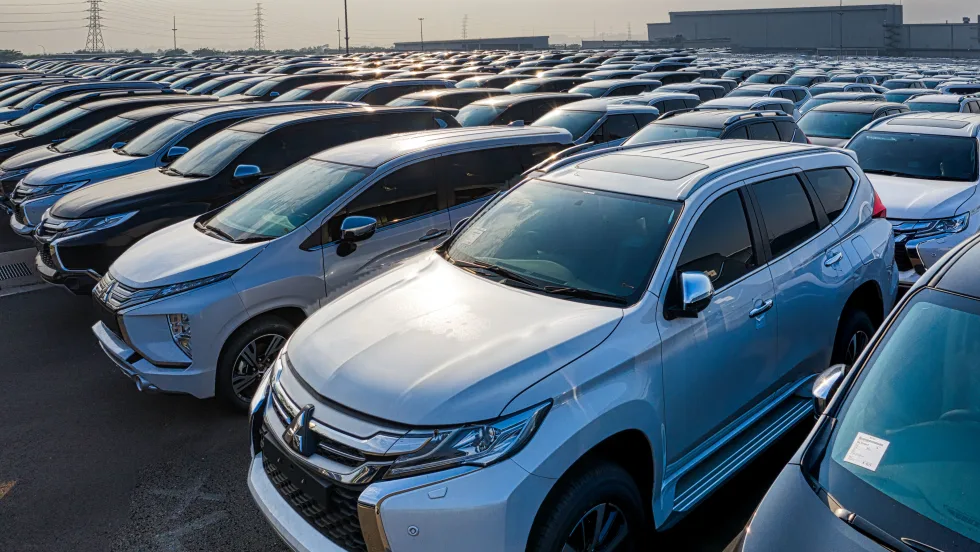
War Toll a Damper on Used Auto Prices
Cox Automotive found wholesale depreciation to be elevated in September amid high fuel prices and this year's unusual hurricane season.
Read More →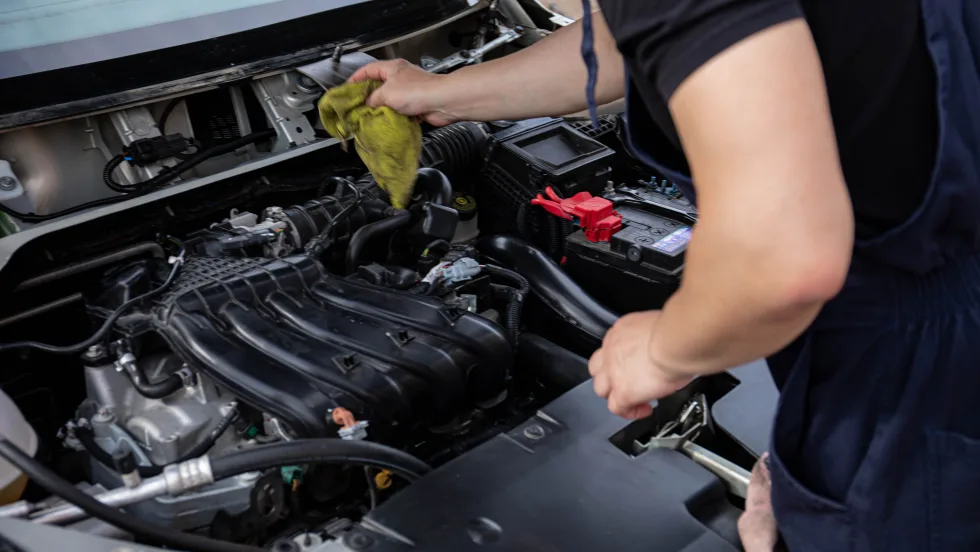
Bridge the Maintenance Gap
With many drivers missing recommended maintenance, service departments offering transparency and efficiency have a better chance of reaching financially strained consumers.
Read More →
California Store Has New Owner
The longtime dealership in the northern part of the state is known for robust fleet sales and has served the state capital for 115 years.
Read More →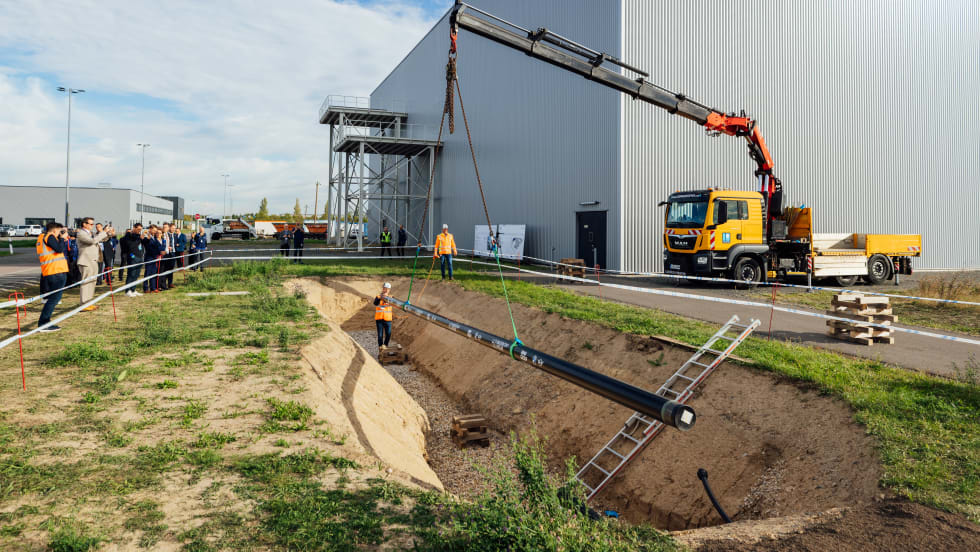
BMW Plant Pursues Cleaner Energy
BMW Group Plant Leipzig has utilized hydrogen to help power its production since 2013, but a new pipeline is planned to take it to another level.
Read More →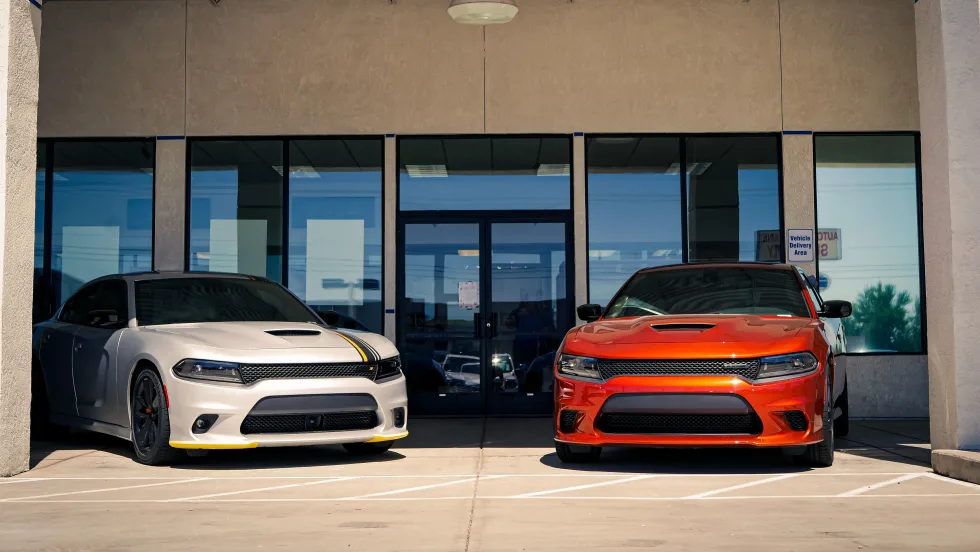
Auto Affordability Inches Up
The latest Cox Automotive and Moody’s Analytics index shows a slight increase in new-vehicle affordability despite high prices.
Read More →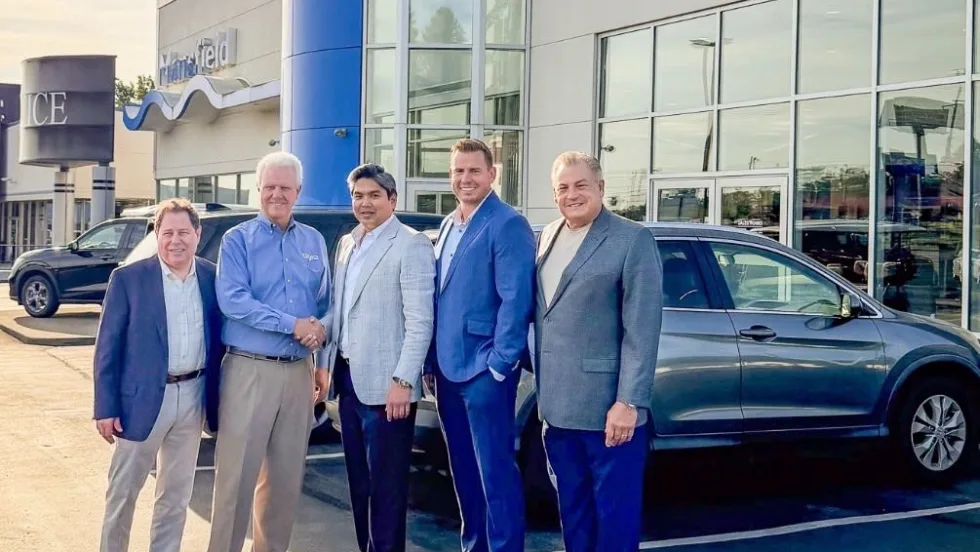
Ohio Auto Group Under New Ownership
After 79 years with the Schluter family, Mansfield Auto Group has been acquired by Missouri-based Clement Auto Group.
Read More →
RV Group Expands Carolina Footprint
Blue Compass RV Columbia Northeast is the 13th RV dealership owned by Blue Compass in the Carolinas.
Read More →
Agent Acumen
An Agent Summit panel of people who’ve been supporting auto dealers for years gave both timely and timeless advice for those starting out or mulling the prospect.
Read More →
Missed Maintenance Creates Opportunity
As families get back on the road and into daily school routines, service drives have an opportunity to capture customers who are behind on recommended vehicle maintenance.
Read More →