



U.S. Must “Get Serious” About Chip Production
Commerce Secretary urges Congress to pass funding designed to boost domestic production of semiconductor chips.


Commerce Secretary Gina Raimondo
WhiteHouse.gov
Commerce Secretary Gina Raimondo reports it’s time for the U.S. to get “serious” about reviving semiconductor chip production as the auto industry pivots to electric vehicles.
Raimondo urged Congress to pass $52 billion in funding to boost domestic production of the chips at the Detroit Economic Club on Monday.
The ongoing chip crunch has stripped dealership inventories, pushed up vehicle prices, and cost automakers an estimated $210 billion globally in lost production this year.
“We’re at an inflection point and we have to make choices,” Raimondo told reporters ahead of the visit. “If we're serious about restoring American leadership in the global economy, we have to start by rebuilding our semiconductor industry so we can meet the demands of this moment.”
Raimondo attended a roundtable at the UAW Region 1A headquarters in Taylor early Monday alongside Rep. Debbie Dingell, D-Dearborn, Sen. Gary Peters, D-Bloomfield Township, Sen. Debbie Stabenow, D-Lansing, UAW President Ray Curry and others.
Afterward, she spoke at the Detroit Economic Club with Dingell and Detroit Mayor Mike Duggan.
“Michigan understands what a healthy and vibrant manufacturing industry can mean for a state’s economy — and what happens when that manufacturing industry nearly gets wiped out," Raimondo said in a preview of her speech.
Raimondo asserts the new $1 trillion infrastructure plan will shore up Michigan’s manufacturing industries and re-shore jobs, but maintains more is needed to bolster U.S. dominance in the EV market.
The Senate passed a bill that would fund $52 billion in domestic chip manufacturing in June. The bill included a provision that would set aside $2 billion for “mature” chips for autos.
However, the House hasn’t taken up the bill. But Raimondo stresses that passing this legislation is crucial to meeting President Joe Biden’s goal that half of new vehicle sales be electric vehicles by 2030. Electric vehicles, she explains, use more chips than gas- and diesel-powered ones.
“We have to [meet that goal.] That’s necessary for our American economic competitiveness, it’s necessary if we're going to meet our climate change goals, and it's necessary to create jobs,” she said.
“This is non-negotiable. The question then becomes what will it take for us to hit those goals? I’m telling you now, we will not hit those goals if Congress doesn't quickly (fund) the CHIPS Act."
In September, the Commerce Department asked automakers, chip companies and others in the semiconductor supply chain to submit data on inventory, sales and use of chips to identify bottlenecks and increase transparency.
The request was voluntary, but Raimondo warned that the Administration might invoke the Defense Production Act to compel companies to comply if needed. Several companies raised concerns over supplying sensitive proprietary information or expressed the request set a concerning precedent that other countries might replicate.
Responses to the request were due in early November. Raimondo claimed the quality of responses will will not effect which companies receive funding under the CHIPS Act if it passes.
Around 150 companies from around the world responded to the request but Raimondo reports she cannot comment on the quality of the responses, as her team is still evaluating the data.
“It's too soon for me to say whether we'll need to invoke the DPA,” she said. “It is still an option that we have.”
Raimondo recently spoke with allied countries in Asia, where around 75% of semiconductor chips are made, about mapping the chip supply chain.
Mapping, monitoring and managing the supply chain will help the automotive industry predict problems before they become a crisis. “It will allow us to make our strategic investments in exactly the right places in the supply chain, so that auto companies, frankly, never again have to face what they're facing now,” she concludes.
Originally posted on Auto Dealer Today
More Industry

Penske Auto Group Deal a Record
The deal to take the dealership and transportation services company private sets a new pace for industry buy-sell transactions.
Read More →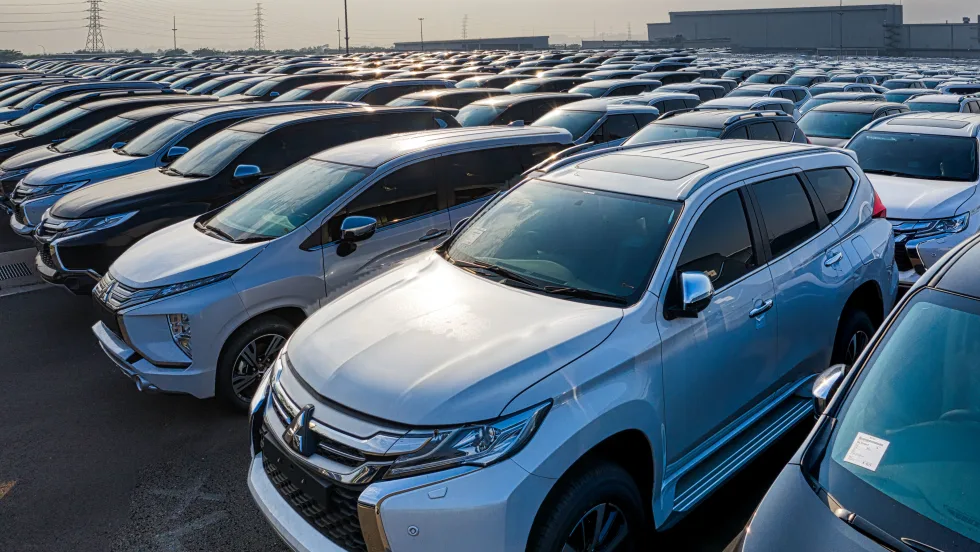
War Toll a Damper on Used Auto Prices
Cox Automotive found wholesale depreciation to be elevated in September amid high fuel prices and this year's unusual hurricane season.
Read More →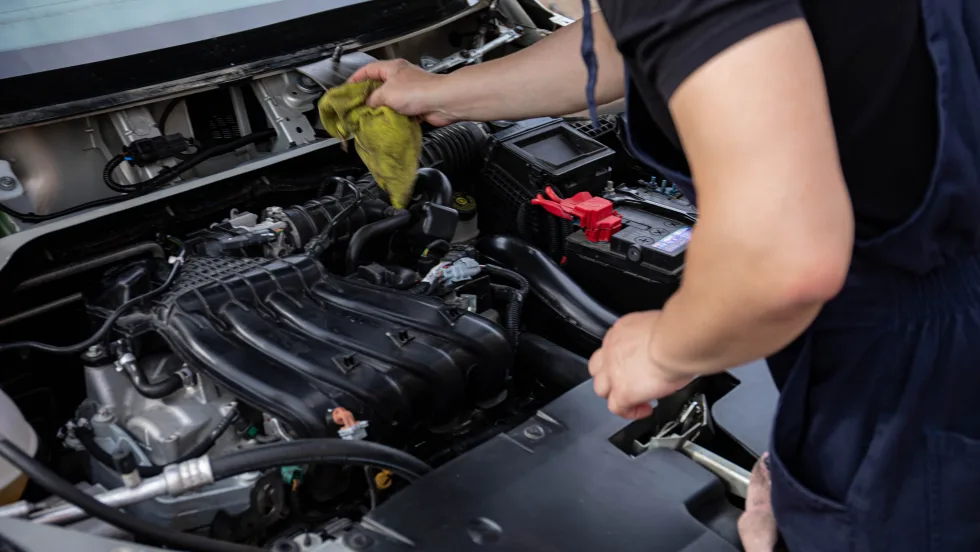
Bridge the Maintenance Gap
With many drivers missing recommended maintenance, service departments offering transparency and efficiency have a better chance of reaching financially strained consumers.
Read More →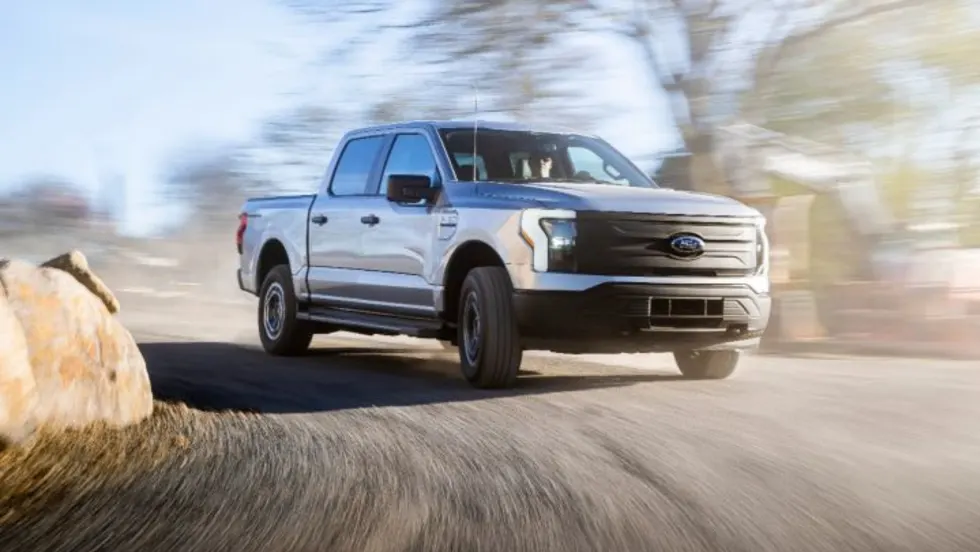
California Store Has New Owner
The longtime dealership in the northern part of the state is known for robust fleet sales and has served the state capital for 115 years.
Read More →
BMW Plant Pursues Cleaner Energy
BMW Group Plant Leipzig has utilized hydrogen to help power its production since 2013, but a new pipeline is planned to take it to another level.
Read More →
Auto Affordability Inches Up
The latest Cox Automotive and Moody’s Analytics index shows a slight increase in new-vehicle affordability despite high prices.
Read More →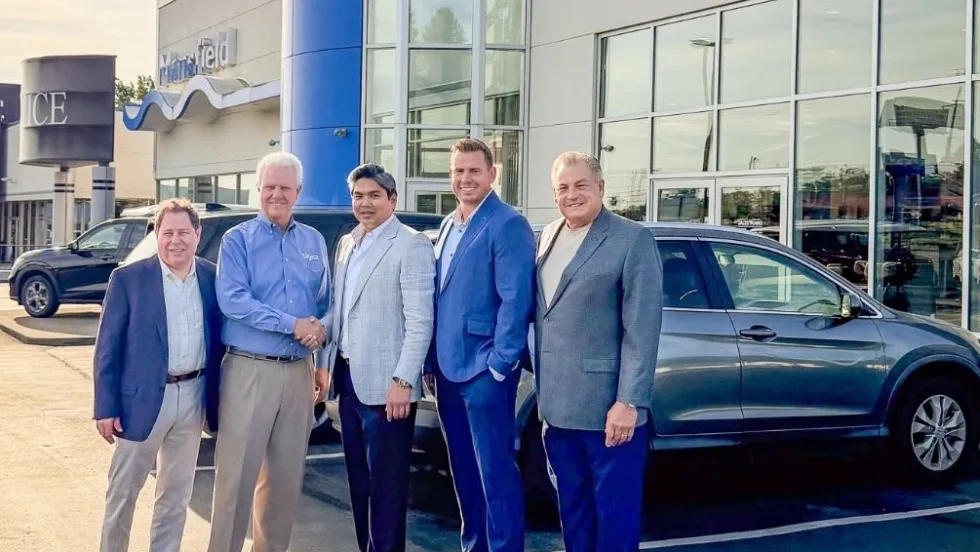
Ohio Auto Group Under New Ownership
After 79 years with the Schluter family, Mansfield Auto Group has been acquired by Missouri-based Clement Auto Group.
Read More →
RV Group Expands Carolina Footprint
Blue Compass RV Columbia Northeast is the 13th RV dealership owned by Blue Compass in the Carolinas.
Read More →
Agent Acumen
An Agent Summit panel of people who’ve been supporting auto dealers for years gave both timely and timeless advice for those starting out or mulling the prospect.
Read More →
Missed Maintenance Creates Opportunity
As families get back on the road and into daily school routines, service drives have an opportunity to capture customers who are behind on recommended vehicle maintenance.
Read More →