



Toyota Trims July Production Totals
The automaker has dialed down its worldwide production schedule for July by 50,000 vehicles to 800,000.

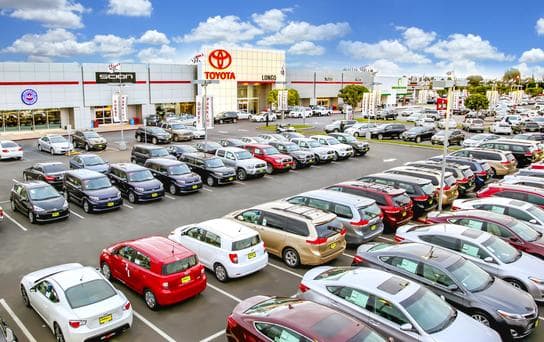
Creative Commons
Pandemic constraints and global supply chain chaos are chipping away at Toyota’s production targets with the automaker expected to close at the year around 400,000 vehicles from its original production goals for 2022.
Toyota had originally hoped to best its annual production totals but has had to trim its forecast every month amid supply challenges. Most recently the automaker dialed down its worldwide production schedule for July by 50,000 vehicles to 800,000. The company attributes the July cutback to a COVID-19 outbreak at a supplier.
Though the automaker has trimmed production since the onset of its Fiscal Year on April 1, Toyota has kept its production goal unchanged at 9.7 million vehicles for the full fiscal year.
But the automaker has missed lower production targets as well. The automaker’s current production pace suggests it may be hard to reach its record goal.
Toyota had planned to produce 3.2 million vehicles from January to April, for example, even after the production cuts, but instead only manufactured 2.93 million vehicles.
The full-year 9.7 million target represents output for only the Toyota and Lexus brands. This figure doesn’t cover consolidated figures for the Daihatsu minicar or Hino truckmaking subsidiaries.
Toyota reports it will have to produce an average of 840,000 vehicles a month from July through March to reach its fiscal-year target of 9.7 million. Toyota has achieved this rate only once, in March, with output of 866,775 vehicles.
"Although the situation continues to be uncertain, we will carefully monitor our suppliers' personnel structure and equipment capacity and place the highest priority on quality and safety in our production," spokeswoman Shino Yamada told Automotive News.
Global auto production fell 9.1% in April to 692,259 vehicles, well below the 750,000 forecasted.
Global production fell 8.9% in the fiscal year ended March 31, 2021, as the pandemic slowed economic activity around the world.
Toyota has said it will slow production outputs as needed as part of an "intentional pause" to achieve a more "reasonable" pace of output as the pandemic and the ensuing chip shortage continue to crimp the industry.
Originally posted on Auto Dealer Today
More Industry

Penske Auto Group Deal a Record
The deal to take the dealership and transportation services company private sets a new pace for industry buy-sell transactions.
Read More →
War Toll a Damper on Used Auto Prices
Cox Automotive found wholesale depreciation to be elevated in September amid high fuel prices and this year's unusual hurricane season.
Read More →
Bridge the Maintenance Gap
With many drivers missing recommended maintenance, service departments offering transparency and efficiency have a better chance of reaching financially strained consumers.
Read More →
California Store Has New Owner
The longtime dealership in the northern part of the state is known for robust fleet sales and has served the state capital for 115 years.
Read More →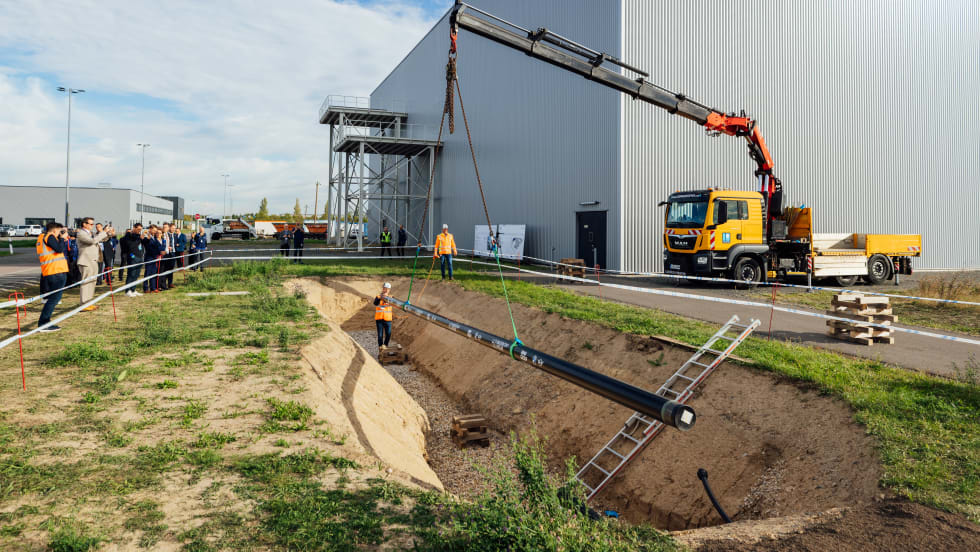
BMW Plant Pursues Cleaner Energy
BMW Group Plant Leipzig has utilized hydrogen to help power its production since 2013, but a new pipeline is planned to take it to another level.
Read More →
Auto Affordability Inches Up
The latest Cox Automotive and Moody’s Analytics index shows a slight increase in new-vehicle affordability despite high prices.
Read More →
Ohio Auto Group Under New Ownership
After 79 years with the Schluter family, Mansfield Auto Group has been acquired by Missouri-based Clement Auto Group.
Read More →
RV Group Expands Carolina Footprint
Blue Compass RV Columbia Northeast is the 13th RV dealership owned by Blue Compass in the Carolinas.
Read More →
Agent Acumen
An Agent Summit panel of people who’ve been supporting auto dealers for years gave both timely and timeless advice for those starting out or mulling the prospect.
Read More →
Missed Maintenance Creates Opportunity
As families get back on the road and into daily school routines, service drives have an opportunity to capture customers who are behind on recommended vehicle maintenance.
Read More →