



Toyota Crisis Puts Spotlight on Auto Electronics

DETROIT - Investigations into whatever is lurking behind Toyota's crisis of quality have put a spotlight on all that can go wrong with auto electronics — the growing number of wires, sensors and computer chips that have profoundly changed the automobile in the last decade, The Associated Press reported. Though no smoking circuit has been found so far, a picture is emerging that shows the automobile industry's technology is racing ahead of quality-control testing and regulators. It's troubling not only for Toyota owners but for drivers of any modern car that's basically a computer on wheels. Toyota insists that electronics played no role in the unintended acceleration that has sparked its massive recalls, and no one has been able to disprove it. Lawyers, regulators, engineers and politicians aren't so sure. The auto industry has been moving at Pentium speed since the late 1990s to replace mechanical cables and other devices with computers to control everything from brakes to throttles to power steering. Automakers say electronics have made vehicles safer with devices such as air bags and antilock brakes. It's also made cars more fuel efficient, cleaner and, usually, more reliable. Still, things can go wrong and diagnosing problems is complicated. Glitches can include buggy software, circuitry that's randomly influenced by electrical interference and shorts caused by microscopic "whiskers" that sprout from solder. It can be one or more of these problems, as well as environmental factors — a blast from a heater vent or moisture from the road — that can cause a failure. Age also can be a factor. "You're looking for a needle in a haystack," Raj Rajkumar, an electrical and computer engineering professor at Carnegie Mellon University in Pittsburgh, told AP. "Those are very hard to reproduce. The problem happens and you go back and check and it's not there. The normal tendency is to blame it on the driver and go on." And that's what Toyota did initially. Drivers complained their vehicles accelerated out of control — without stepping on the gas. But complaints were largely dismissed by Toyota, its dealers and government regulators, who blamed mechanical problems or drivers stepping on the wrong pedal. Toyota, which until recently had a reputation for being high-quality and cutting-edge, began replacing mechanical accelerators with electrical ones starting with the Camry in 2002. Since the 2007 model year, all its cars have been equipped with the high-tech throttle. An analysis of complaints by the auto safety research firm Quality Control Systems, found that the number of Toyota "speed control" complaints received by the National Highway Traffic Safety Administration tripled since the electronic throttles were introduced. NHTSA says 34 people have died because of sudden acceleration crashes in Toyotas since 2000. But the issue didn't get much attention from Toyota until an off-duty California Highway Patrol officer and three members of his family were killed when their loaner Lexus sped out of control and crashed into traffic near San Diego. The Aug. 28 crash received widespread media coverage. Just over a month later, on Oct. 5, the automaker recalled 3.8 million Lexus and Toyota models in the U.S. because of floor mats. In January, it recalled 2.3 million because of sticky acclerators. It later added more than a million to the floor mat recall, and also said some cars might be covered by both. So far, more than 8 million vehicles have been recalled worldwide to replace floor mats or fix pedals that get stuck because of condensation. Toyota's denial that electronics played a role in the problems has been repeatedly challenged. Questions linger, including why, according to a congressional analysis, 70 percent of Toyota speed control complaints involve vehicles not covered by the floor mat or sticky pedal recall. Jim Lentz, president of Toyota Motor Sales USA Inc., was asked at a congressional hearing this week if he could say with certainty that the fixes now being undertaken would completely eliminate unintended acceleration problems. Lentz replied: "Not totally."
More Industry

Penske Auto Group Deal a Record
The deal to take the dealership and transportation services company private sets a new pace for industry buy-sell transactions.
Read More →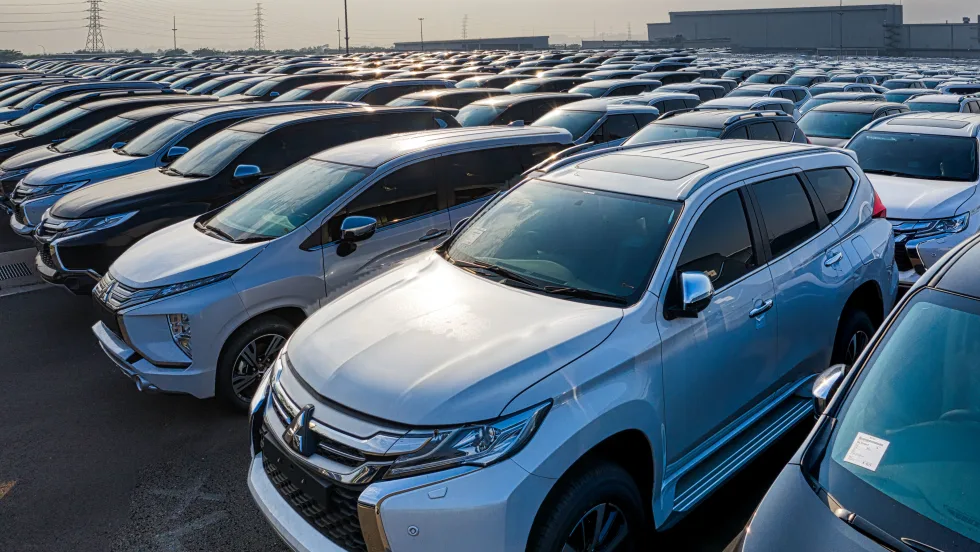
War Toll a Damper on Used Auto Prices
Cox Automotive found wholesale depreciation to be elevated in September amid high fuel prices and this year's unusual hurricane season.
Read More →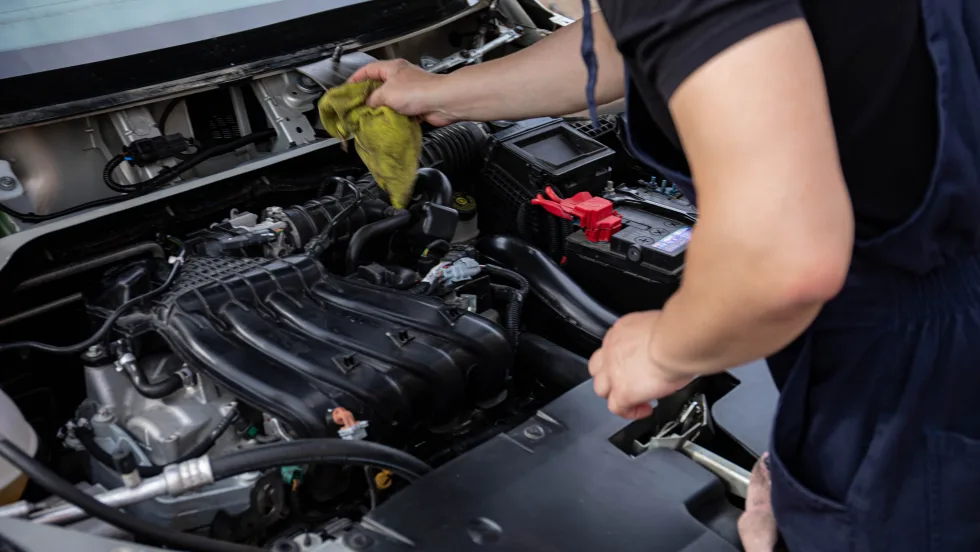
Bridge the Maintenance Gap
With many drivers missing recommended maintenance, service departments offering transparency and efficiency have a better chance of reaching financially strained consumers.
Read More →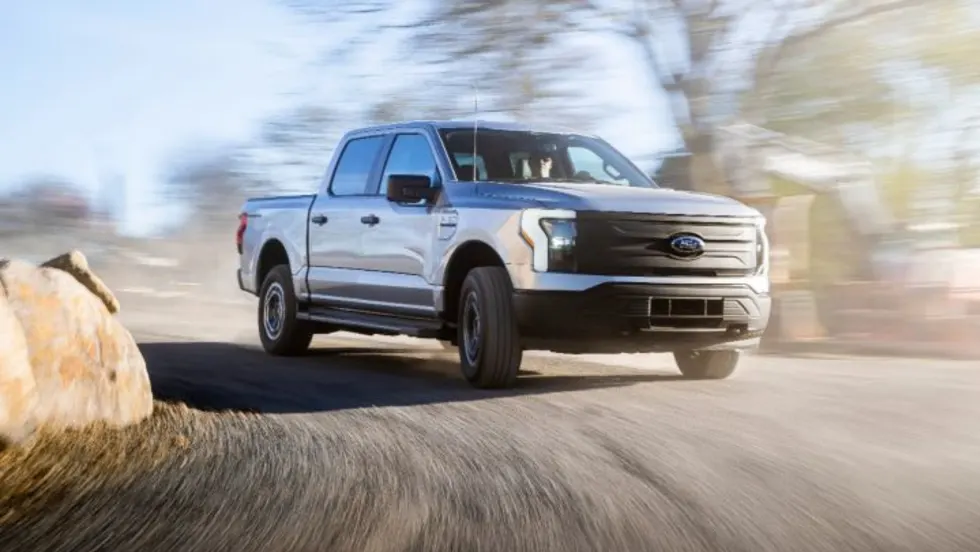
California Store Has New Owner
The longtime dealership in the northern part of the state is known for robust fleet sales and has served the state capital for 115 years.
Read More →
BMW Plant Pursues Cleaner Energy
BMW Group Plant Leipzig has utilized hydrogen to help power its production since 2013, but a new pipeline is planned to take it to another level.
Read More →
Auto Affordability Inches Up
The latest Cox Automotive and Moody’s Analytics index shows a slight increase in new-vehicle affordability despite high prices.
Read More →
Ohio Auto Group Under New Ownership
After 79 years with the Schluter family, Mansfield Auto Group has been acquired by Missouri-based Clement Auto Group.
Read More →
RV Group Expands Carolina Footprint
Blue Compass RV Columbia Northeast is the 13th RV dealership owned by Blue Compass in the Carolinas.
Read More →
Agent Acumen
An Agent Summit panel of people who’ve been supporting auto dealers for years gave both timely and timeless advice for those starting out or mulling the prospect.
Read More →
Missed Maintenance Creates Opportunity
As families get back on the road and into daily school routines, service drives have an opportunity to capture customers who are behind on recommended vehicle maintenance.
Read More →