



To Curb Grade Inflation, Safety Tests Get Tougher

When a straight-A student starts bringing home report cards riddled with Cs, it’s cause for concern. In much the same way, lower grades on the safety report cards of new vehicles — an expected result of changes in the crash-test regimen used to rate vehicles under the government’s New Car Assessment Program — could incite serious hand-wringing by new-car buyers, The New York Times reported. The scoring system, which takes effect with 2011 models, is likely to sow confusion in dealership showrooms, where shoppers have grown accustomed to advertisements trumpeting high marks — five-star safety rating! — in the various tests. Another aspect of the changes promises to confound shoppers: there is a good chance that some 2011 vehicles they are considering will have earned fewer stars — despite improvements in crash protection — than similar models from previous years. It’s a situation familiar to parents who have wondered why their teenager’s A+ in history class last fall became a B- this semester. In truth, the exams have become much tougher with the addition of a second type of side-impact crash. Also among the changes for 2011 are new test dummies and revised injury criteria for existing front- and side-impact tests, which are otherwise unchanged. Because it will be years before all vehicles can be evaluated under the new system, consumers can look forward to labored explanations of crash-performance ratings by sales personnel for some time to come. The National Highway Traffic Safety Administration says it will conduct an extensive public education campaign through its Web site, Safercar.gov, and other outlets, but it is unclear how many consumers that effort will reach. Regulators are revising the star system partly to deal with a situation that one Transportation Department official called “grade inflation.” With so many vehicles receiving five stars, especially in frontal crash testing, the program offers little guidance to help safety-conscious shoppers choose the new vehicle that will make them feel best protected. It is as if the cars are all from Lake Wobegon, Garrison Keillor’s made-up community where “all the children are above average.” In at least one way, the government is trying to make the test results easier to grasp. Vehicles will now receive a single overall star rating that summarizes the different grades for front, side and rollover crashes. At the same time, earning a five-star rating will get tougher. In the new side-impact test, the vehicle collides with a 10-inch-diameter vertical pole at 20 miles per hour. The impact is at a 75-degree angle, with the contact point on the driver’s door behind the front windshield pillar. Crashes of this type — typically into a tree — are not the most common in the real world, but they are the most dangerous single-vehicle accident, said Stephen T. Kozak, global safety chief engineer at Ford. In addition to conducting this test with a dummy of 50th percentile male size, the crashes will also be done with a 5th percentile dummy, representing a 97-pound female driver who would be more susceptible to injury. Today’s side-impact test is conducted by running a 3,015-pound trolley with a wide, deformable surface into the driver’s side of the tested vehicle at 38 m.p.h. The pole test is far more demanding because the contact area is so much smaller; the new test is expected to result in side-curtain air bags being installed in virtually all vehicles.
More Industry
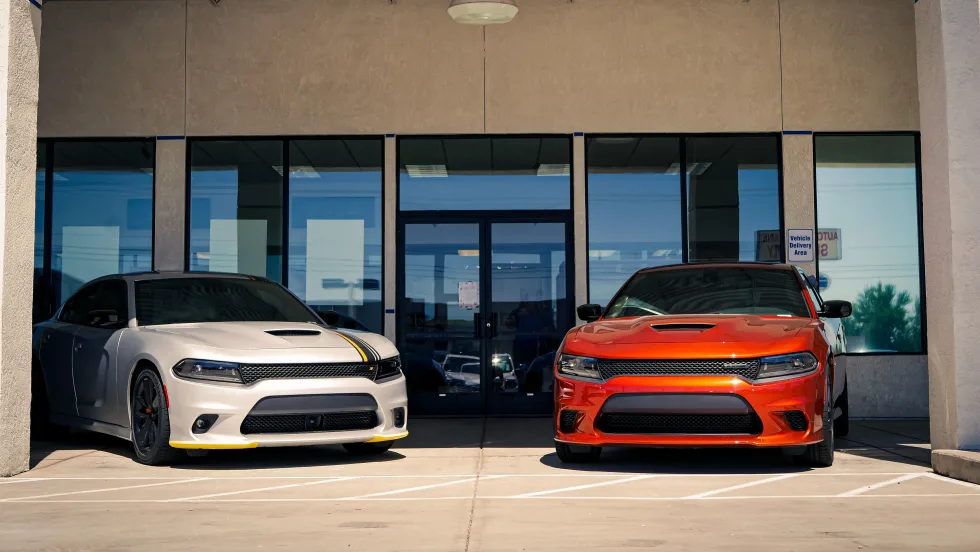
Auto Affordability Inches Up
The latest Cox Automotive and Moody’s Analytics index shows a slight increase in new-vehicle affordability despite high prices.
Read More →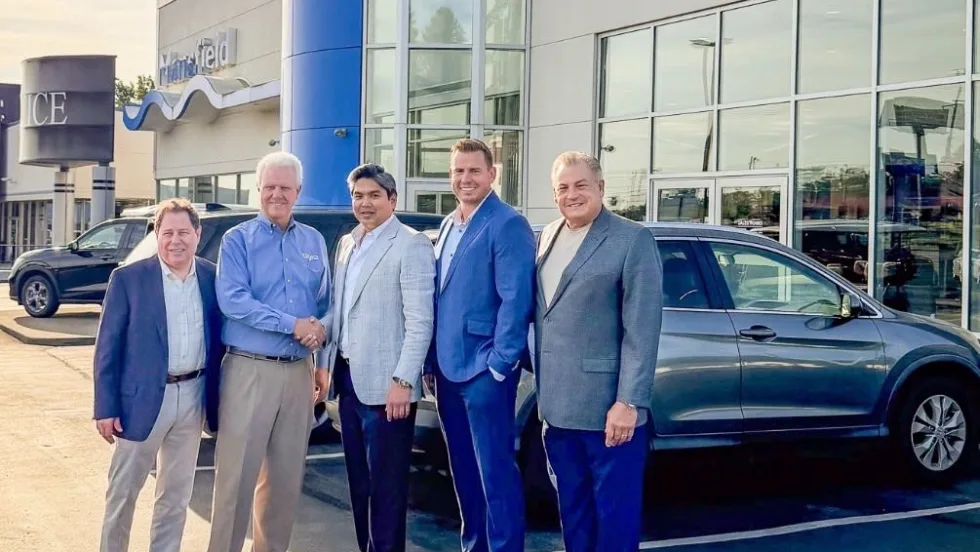
Ohio Auto Group Under New Ownership
After 79 years with the Schluter family, Mansfield Auto Group has been acquired by Missouri-based Clement Auto Group.
Read More →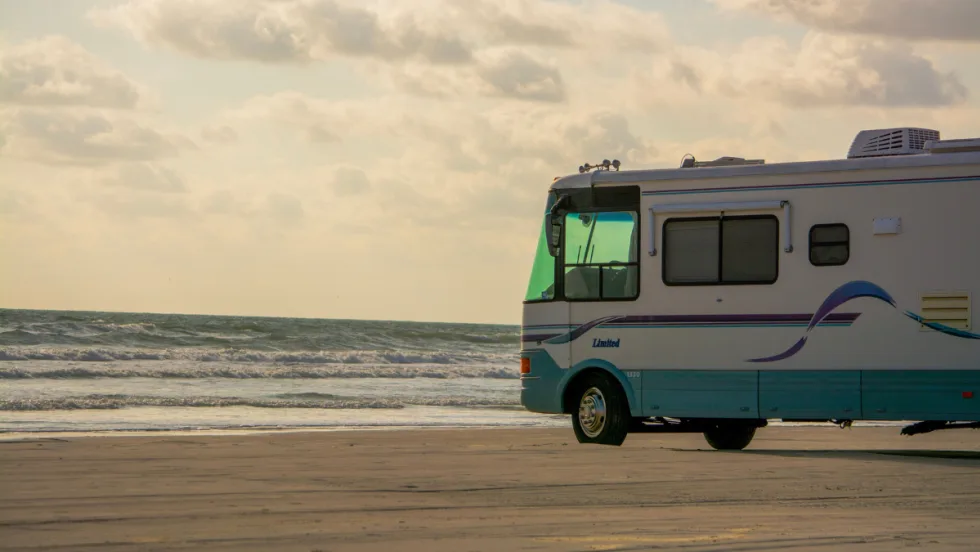
RV Group Expands Carolina Footprint
Blue Compass RV Columbia Northeast is the 13th RV dealership owned by Blue Compass in the Carolinas.
Read More →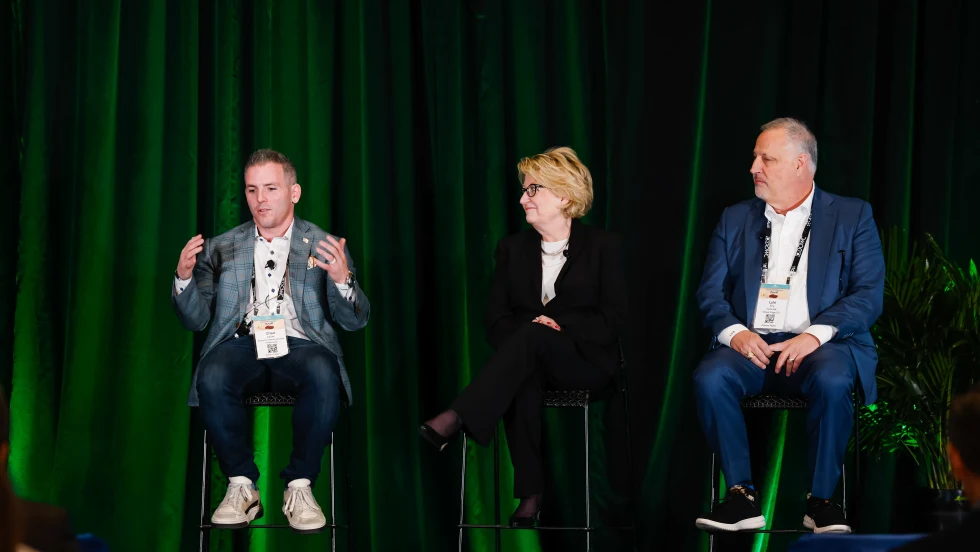
Agent Acumen
An Agent Summit panel of people who’ve been supporting auto dealers for years gave both timely and timeless advice for those starting out or mulling the prospect.
Read More →
Missed Maintenance Creates Opportunity
As families get back on the road and into daily school routines, service drives have an opportunity to capture customers who are behind on recommended vehicle maintenance.
Read More →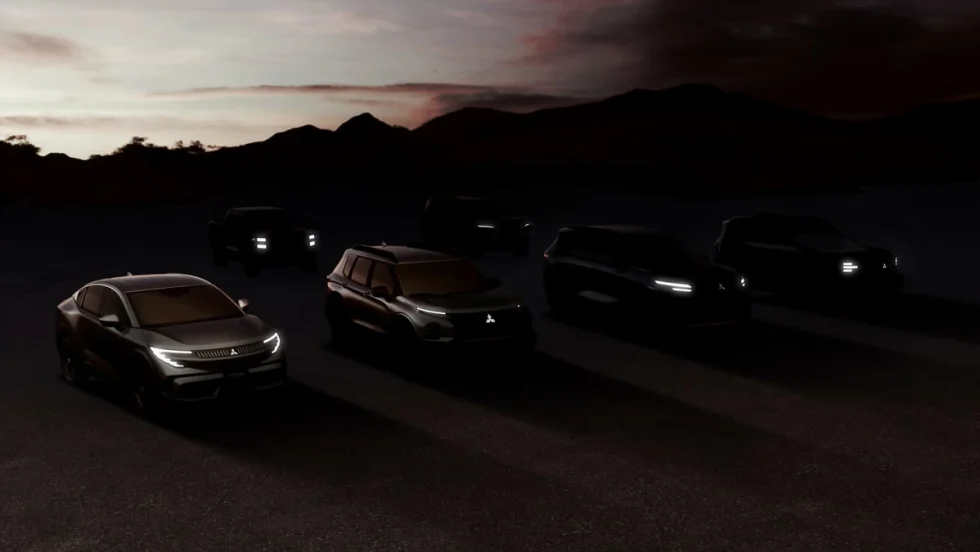
Mitsubishi Unveils U.S. Plan
The automaker announced a strategy that includes an expanded lineup and dealership presence, along with more ‘rugged’ and electric models.
Read More →
Selling to Grow
The question of whether you should sell your agency and if so, when, is up to you. But it’s a question worth asking to ensure you keep the business on the right path for yourself, employees and clients.
Read More →
Recalled Vehicles Hit 5-Year High
Though the number of events has fallen so far this year, impacted units are up significantly. Meanwhile, regulators consider consumer notification changes.
Read More →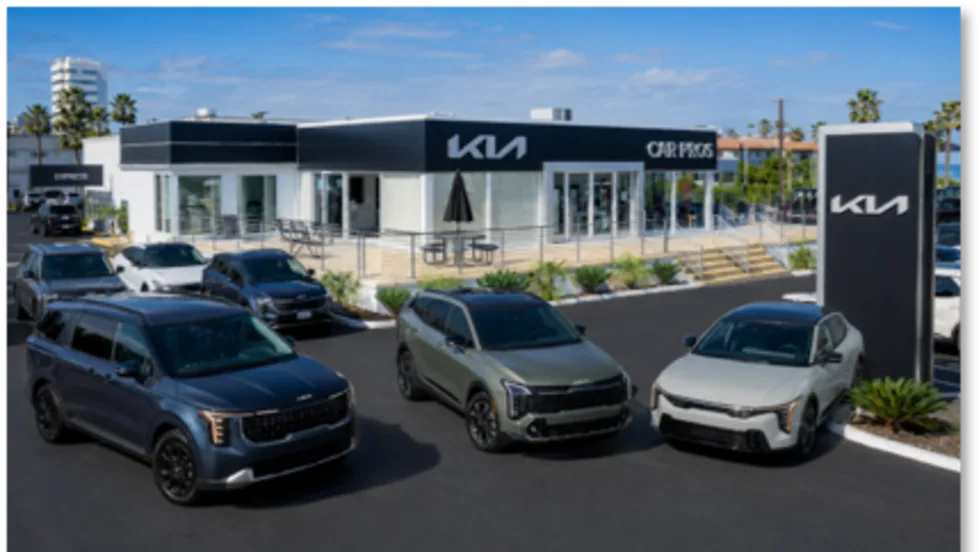
Auto Group Acquires Top-Performing Rooftop
Car Pros sold its Kia Huntington Beach location to Sutherlin Automotive Group, marking the buyer’s third location in Southern California.
Read More →
China as Pacesetter
Automotive leaders huddled on where North America stands in the global picture and how it can strengthen its position against the Asian juggernaut’s surging industry.
Read More →