



What Matters Most in Building Your Agency
The partner you choose for growth and expansion is key, because better is the ultimate goal instead of growth for growth’s sake.

Approach growth with the clarity that keeps momentum from turning into drag.
Pexels/Jakub Zerdzicki
Growth is an exciting word in the F&I agency world. It signals opportunity through new rooftops, expanded territory, stronger administrator relationships, and deeper dealer impact.
But anyone who has lived through an expansion knows the truth: Growth also magnifies friction. Every operational weakness, every unclear role, every technology gap, and every misalignment of incentives becomes louder as you scale.
That’s why “more” isn’t the goal. Better is the goal.
If you want to thrive and truly succeed in today’s automotive environment, the most important decision you’ll make during your push for growth and expansion isn’t just where you grow. It’s who you grow with.
I’m writing this as someone who has been through the expansion process, someone who believed in the upside, pursued it, and learned a few lessons the hard way.
If you’re considering growth right now, I’m not here to sell you on expansion. I’m here to help you approach it with the clarity that keeps momentum from turning into drag.
Expansion Adds Pressure
Before you expand, you can sometimes outrun inefficiencies with hustle. You know the stores. You know the personalities. You can fix things in the moment. But when you add rooftops and territory, you add distance, which translates to distance from daily realities, from informal communication, from the “quick fix” that used to keep everything moving.
And pressure has a way of exposing what’s been lurking underneath.
- A minor training inconsistency becomes uneven results across markets.
- A small processing delay becomes a dealer trust issue.
- A lack of role clarity becomes finger-pointing when performance dips.
- Limited reporting becomes guesswork at exactly the moment you need precision.
This is why the right partner matters. Because expansion doesn’t forgive friction. It multiplies it.
A Partner That Removes Growth Hindrances Matters Most
When I look back at what made the difference, it wasn’t a flashy technology tool or a well-packaged support promise. It was whether the partner actually reduced the daily friction that slows agencies down.
A true growth partner should remove obstacles in areas that become mission-critical as you scale.
Collaboration Is Non-Negotiable, but Control Is Everything
Here’s a truth that agency presidents don’t always say out loud: The wrong partnership can dilute what you’ve built. It happens gradually through small decisions, shifting processes, and “we’ll handle that for you” support that quietly becomes “you no longer control that.”
Your agency is more than a book of business. You built this through your hard work. It’s relationships, reputation, culture and leadership. Expansion should protect those assets, not compromise them.
So, when you evaluate a partner, ask yourself:
- Will it collaborate with us in the trenches or just advise from the sidelines?
- Will it strengthen our leadership and producers or replace them?
- Will it respect our identity or try to standardize it away?
- Will we still be the ones making strategic decisions, or will we be managed?
The partnership should feel like enablement, not surrender.
If a partner benefits when you give up independence or flexibility, pressure will show up, maybe not today but eventually. If a partner benefits when your agency grows efficiently and sustainably, you’ll immediately feel that alignment: cleaner communication, faster problem-solving, shared priorities, and fewer “surprises.”
Look for partners that win when you win without hidden tug-of-war.
Optionality Is a Form of Protection
One of the most important lessons I learned is that expansion isn’t just a strategy. It’s a series of decisions that shape your future options, and you want options.
A strong partnership allows you to maintain independent control while choosing how you participate in progress. That means you should be able to:
- stay hands-on or strategically step back
- preserve your agency’s identity and relationships
- scale with support without becoming dependent
- participate in growth outcomes in a way that feels fair and motivating
The best partnerships don’t force you into a single endgame. They create a foundation that supports multiple futures, because conditions change, goals evolve, and leadership needs shift over time.
Making Right Choices Is the Real Expansion Strategy
In today’s automotive environment of margin pressure, shifting consumer behavior, dealer group sophistication, staffing volatility, and increasing compliance demands, expansion is not forgiving. “Growth at all costs” is a risk, not a plan.
The agencies that thrive are the ones that expand with clarity and discipline, and that starts with choosing a partner that removes friction, supports execution, and respects independence.
If you’re considering expansion, here’s the filter that matters most:
1. Will the partner remove hindrances to growth or introduce new ones?
2. Will it collaborate and support us beyond the kickoff?
3. Will it allow us to maintain independent control and identity?
4. Are incentives aligned so we grow together and not at odds?
5. Do we keep optionality to participate in progress on our terms?
Expansion should not turn you into a referee, a firefighter or a bottleneck. Done right, it should make your agency stronger and more consistent, more scalable, more resilient. Further, it should position you to lead with confidence instead of constantly reacting.
The truth is that growth will test your foundation. Choosing the right partner strengthens it.
In the end, what matters most isn’t how many rooftops you add. It’s whether your agency becomes better as you grow and whether you choose a partner that helps you get there while keeping you in control of what you’ve built.
Rob Miller is vice president of M&A at Spectrum Automotive Holdings.
EDITOR’S NOTE: This article was authored and edited according to … editorial standards and style. Opinions expressed may not reflect that of the publication.
More Industry

Penske Auto Group Deal a Record
The deal to take the dealership and transportation services company private sets a new pace for industry buy-sell transactions.
Read More →
War Toll a Damper on Used Auto Prices
Cox Automotive found wholesale depreciation to be elevated in September amid high fuel prices and this year's unusual hurricane season.
Read More →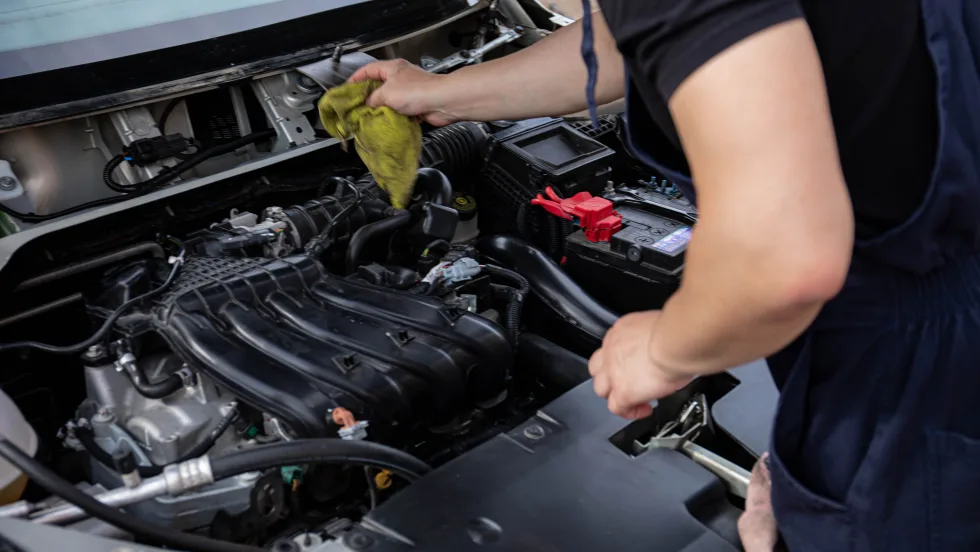
Bridge the Maintenance Gap
With many drivers missing recommended maintenance, service departments offering transparency and efficiency have a better chance of reaching financially strained consumers.
Read More →
California Store Has New Owner
The longtime dealership in the northern part of the state is known for robust fleet sales and has served the state capital for 115 years.
Read More →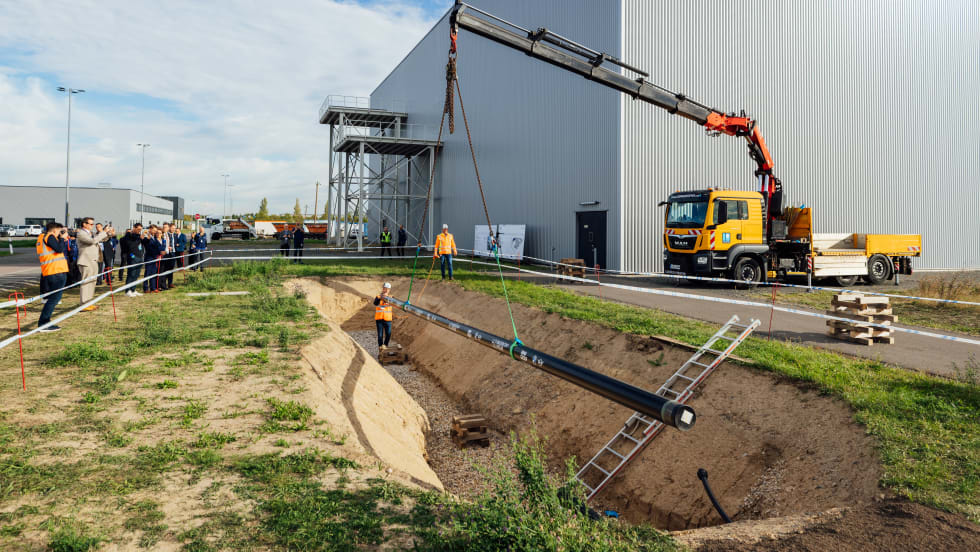
BMW Plant Pursues Cleaner Energy
BMW Group Plant Leipzig has utilized hydrogen to help power its production since 2013, but a new pipeline is planned to take it to another level.
Read More →
Auto Affordability Inches Up
The latest Cox Automotive and Moody’s Analytics index shows a slight increase in new-vehicle affordability despite high prices.
Read More →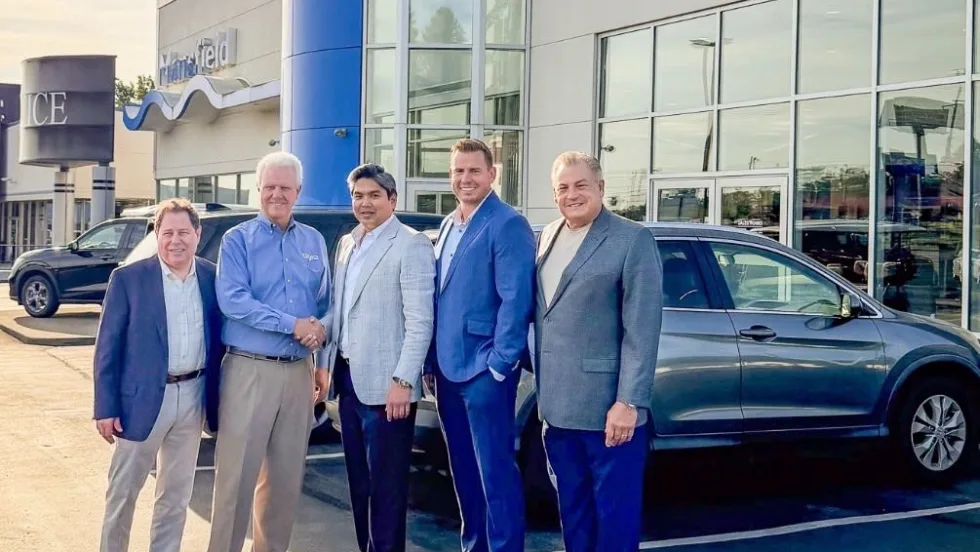
Ohio Auto Group Under New Ownership
After 79 years with the Schluter family, Mansfield Auto Group has been acquired by Missouri-based Clement Auto Group.
Read More →
RV Group Expands Carolina Footprint
Blue Compass RV Columbia Northeast is the 13th RV dealership owned by Blue Compass in the Carolinas.
Read More →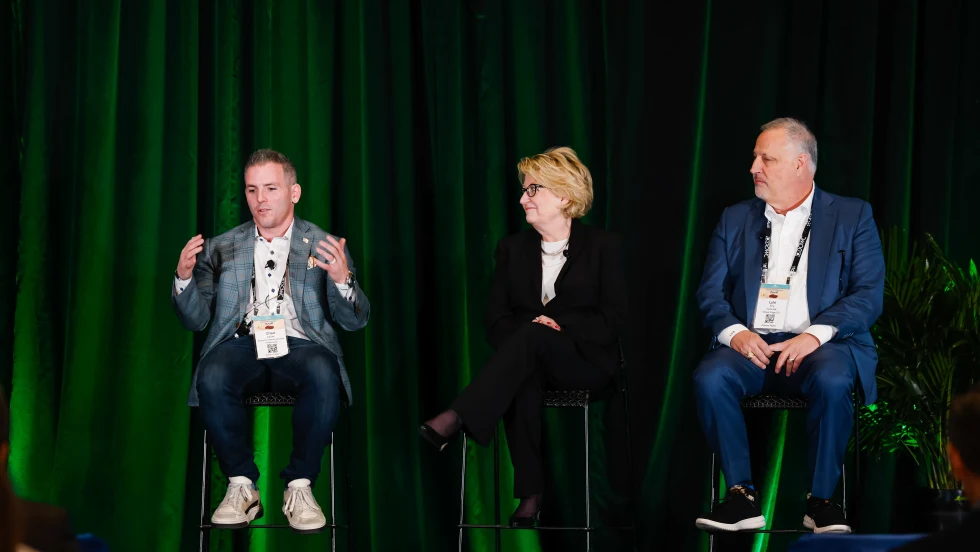
Agent Acumen
An Agent Summit panel of people who’ve been supporting auto dealers for years gave both timely and timeless advice for those starting out or mulling the prospect.
Read More →
Missed Maintenance Creates Opportunity
As families get back on the road and into daily school routines, service drives have an opportunity to capture customers who are behind on recommended vehicle maintenance.
Read More →