



Automation Acceleration Seen in Manufacturing
Labor shortages, material costs and tariffs are just a few of the reasons automakers are looking to expand their investments in automation and robotics this year.


In its fourth year, the survey suggests that improved cost control and increased investment in automation and robotics should lead automakers’ strategies.
ABB
A recent poll found that 31% of automakers are increasing their investment in automation and robotics this year.
The ABB Robotics Automotive Manufacturing Outlook Survey was conducted in partnership with Automotive Manufacturing Solutions. It collected insights from 473 automotive decision makers who represented vehicle manufacturers and suppliers across the world.
Cost control and workforce pressures were listed as the main concerns driving the strategy shift. Thirty-three percent of respondents cited cost control and tighter budget management as their most important priorities.
However, in North America the No. 1 challenge cited was tariffs and reciprocal trade restrictions at 42%. Tariffs were also North America’s top concern in regard to rising costs.
Energy and material costs are critical concerns cited by 34% of manufacturers, a sentiment that points to the need for more efficient production processes and smarter use of resources, according to ABB.
Labor shortages and rising wage costs were significant concerns for 30% of survey respondents, which ABB said directly drives investment in automation and robotics, “given the many other manufacturing benefits including accelerated lead times, reduced cost, and flexibility.”
The survey also found growing interest in a wider range of automation technologies. North American respondents specifically expected a 64% increase in collaborative robot, or cobot, use, which ABB said is “well suited to repetitive and time-consuming assembly tasks.”
“The intelligent factory is no longer a future ambition – it has become essential for manufacturers looking to stay competitive in a challenging and fast-moving environment,” said Joerg Reger, managing eirector of ABB Robotics' Automotive Business Line.
More Industry
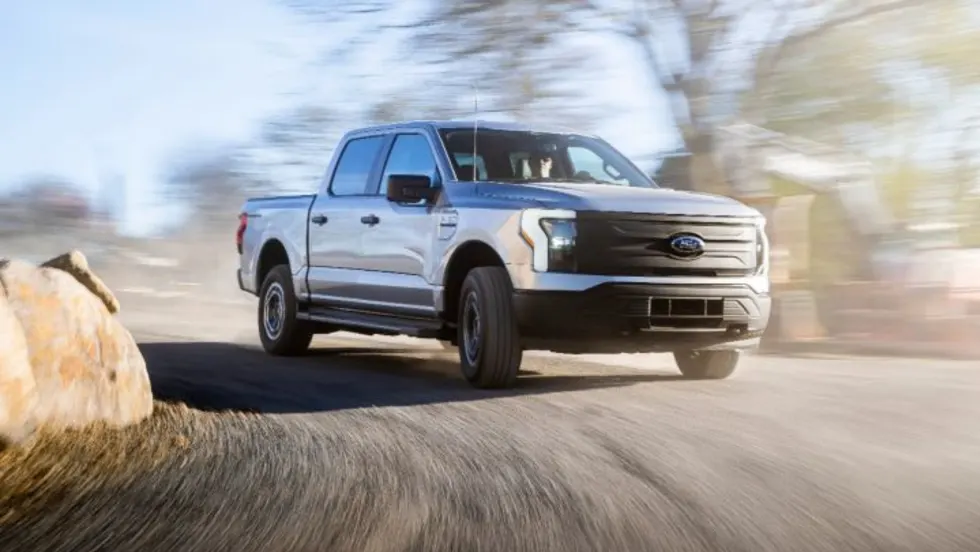
California Store Has New Owner
The longtime dealership in the northern part of the state is known for robust fleet sales and has served the state capital for 115 years.
Read More →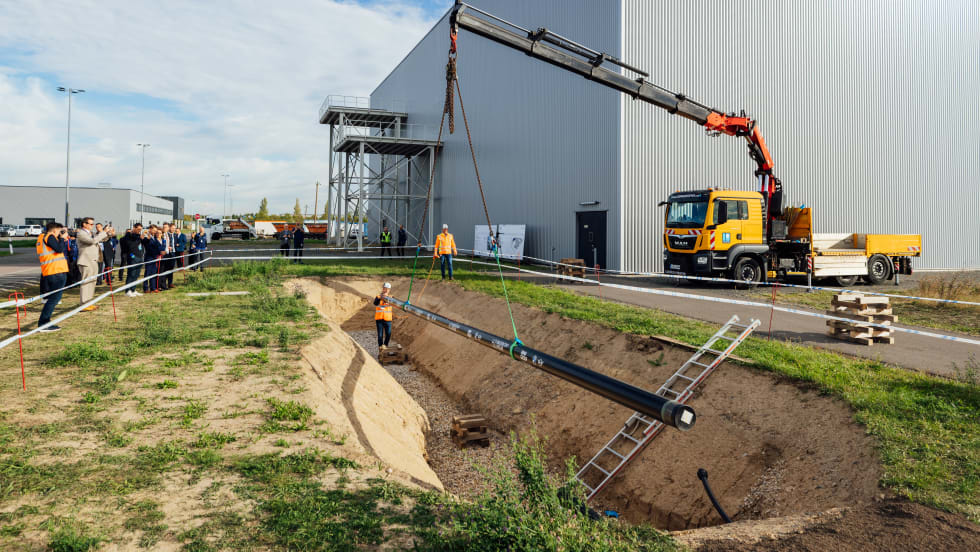
BMW Plant Pursues Cleaner Energy
BMW Group Plant Leipzig has utilized hydrogen to help power its production since 2013, but a new pipeline is planned to take it to another level.
Read More →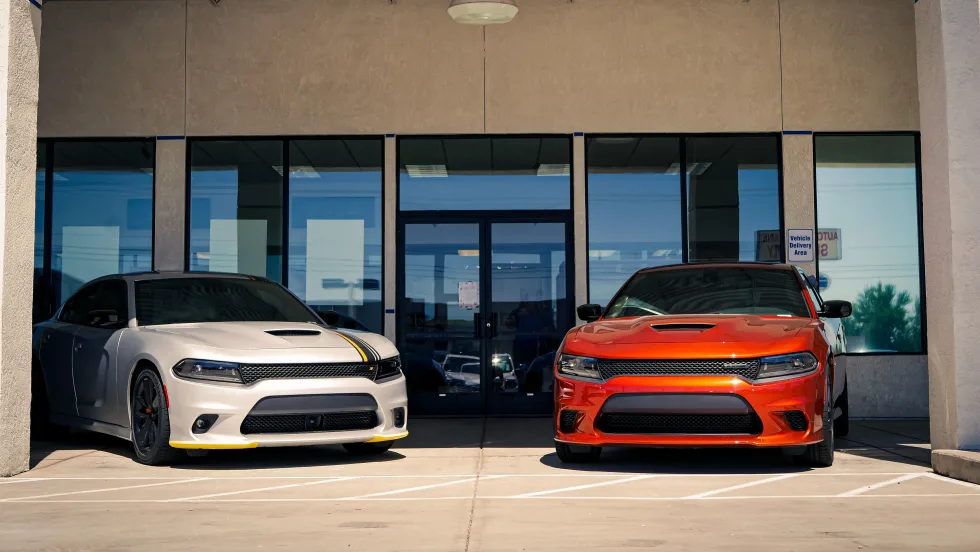
Auto Affordability Inches Up
The latest Cox Automotive and Moody’s Analytics index shows a slight increase in new-vehicle affordability despite high prices.
Read More →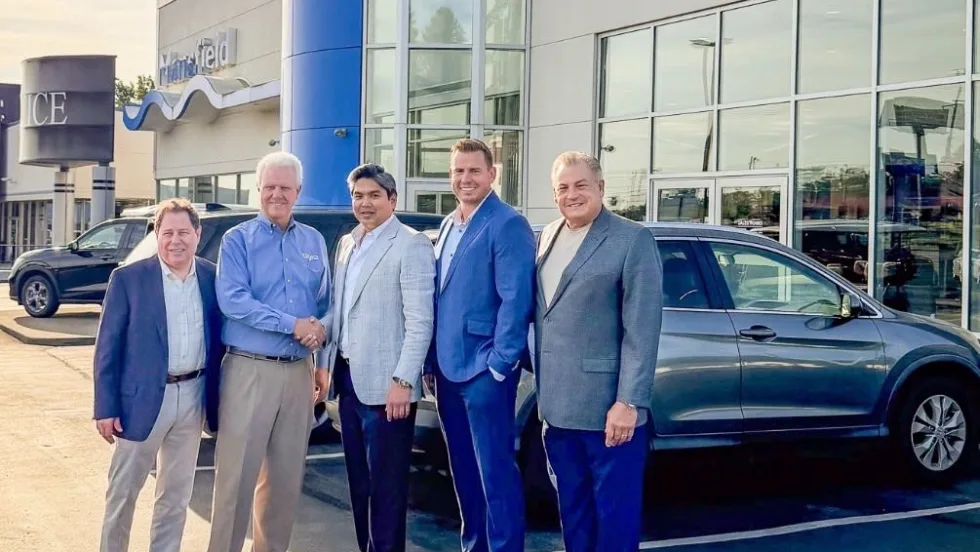
Ohio Auto Group Under New Ownership
After 79 years with the Schluter family, Mansfield Auto Group has been acquired by Missouri-based Clement Auto Group.
Read More →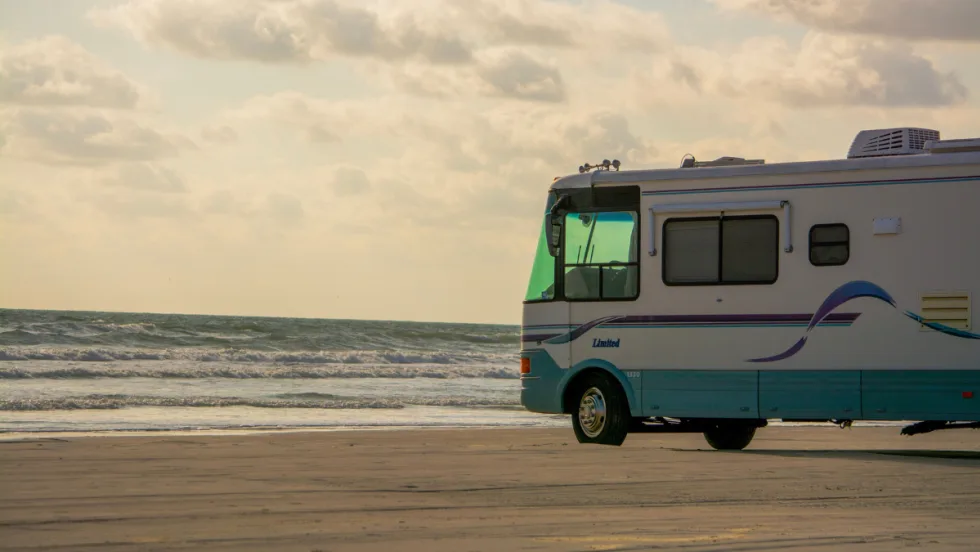
RV Group Expands Carolina Footprint
Blue Compass RV Columbia Northeast is the 13th RV dealership owned by Blue Compass in the Carolinas.
Read More →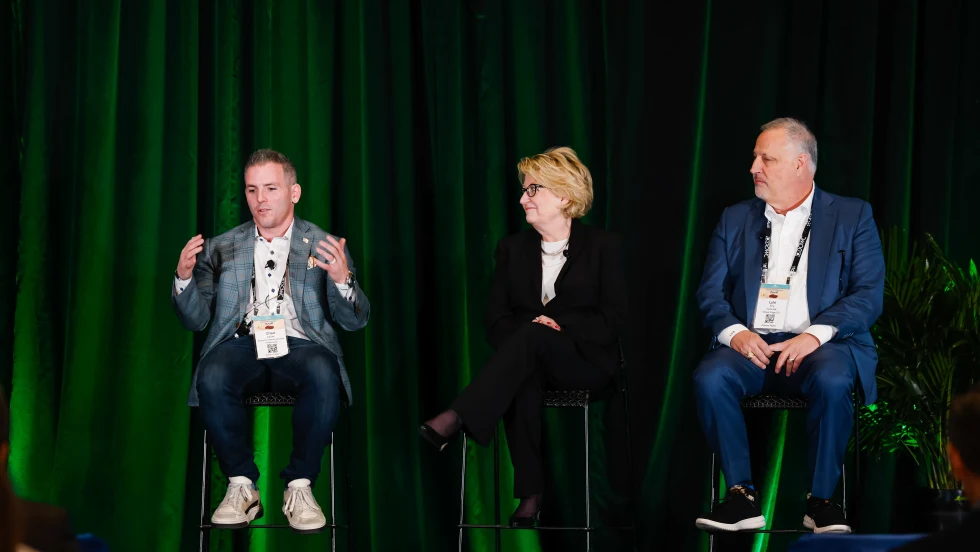
Agent Acumen
An Agent Summit panel of people who’ve been supporting auto dealers for years gave both timely and timeless advice for those starting out or mulling the prospect.
Read More →
Missed Maintenance Creates Opportunity
As families get back on the road and into daily school routines, service drives have an opportunity to capture customers who are behind on recommended vehicle maintenance.
Read More →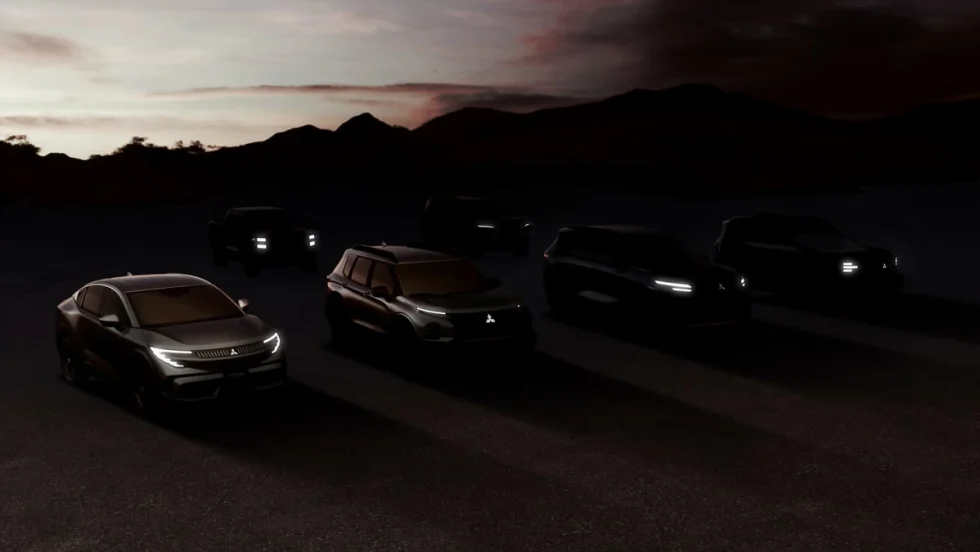
Mitsubishi Unveils U.S. Plan
The automaker announced a strategy that includes an expanded lineup and dealership presence, along with more ‘rugged’ and electric models.
Read More →
Selling to Grow
The question of whether you should sell your agency and if so, when, is up to you. But it’s a question worth asking to ensure you keep the business on the right path for yourself, employees and clients.
Read More →
Recalled Vehicles Hit 5-Year High
Though the number of events has fallen so far this year, impacted units are up significantly. Meanwhile, regulators consider consumer notification changes.
Read More →