



A New Consumer Culture in the Auto Dealership
Dealers should aim to build a positive work environment, helping employees execute an efficient experience, from their online research to the final delivery of the vehicle.

A positive employee experience can translate to a positive consumer experience, the key to adapting to new consumer expectations.
Pexels/Vitaly Garieve
The automotive sales sector has shifted dramatically over the past decade, transforming the way consumers buy cars and dealerships do business. Today's car buyers are far more informed and tech-savvy, and demand a seamless, transparent buying experience. The new breed of buyers — primarily millennials and generation Z — not only expect a frictionless sales process but also want to feel like they’re treated with respect, transparency and empathy throughout the journey.
A positive work culture in dealerships is the key to adapting to the new consumer expectations, driving sales and fostering loyalty in a shifting marketplace.
A New Kind of Consumer
Millennials and gen Z now represent the largest and most influential demographic of car buyers. With their deep roots in the digital world, these consumers approach car buying differently than previous generations. They’re accustomed to having access to information at their fingertips and are comfortable conducting in-depth research before making any purchase. By the time they visit a dealership, they’ve already compared prices, financing options and models — sometimes without setting foot in a showroom.
What does that mean for the dealership environment? The culture of convenience and transparency is a key driver in meeting the demand. Dealerships that embrace the shift create an environment where employees feel empowered to deliver a smooth, efficient experience from the first point of contact online to the final delivery of the vehicle. Here’s how that translates:
1. Transparency in Pricing and Financing: The modern consumer wants no surprises. Pricing should be clear, upfront and all-inclusive. Any fees, financing options or add-ons should be clearly communicated at every step.
2. Streamlined Digital and Physical Experience: The car-buying process should seamlessly bridge the online and offline worlds. Many consumers expect to be able to complete most of the process from home and then visit the dealership only for a focused test drive and final paperwork.
3. A Frictionless Process: From browsing to financing, every part of the process should be as easy and intuitive as possible. Technology plays a huge role here, whether through an easy-to-navigate website or a customer relationship management system that remembers customers' preferences and personalizes the process.
Building Trust Through Human Connection
While technology and convenience are key drivers of the modern car-buying experience, the human element remains crucial. The millennial and gen Z buyers, despite being tech-savvy, still value relationships. They want to work with salespeople who are knowledgeable, trustworthy and empathetic. They can spot a "pushy" sales approach from a mile away, and that’s a turnoff.
This is where a positive work culture comes into play. Dealerships that foster an atmosphere of transparency, respect and a customer-first mentality tend to see better results in terms of both customer satisfaction and loyalty. When salespeople are empowered to be honest, approachable and genuinely helpful, they can form long-term relationships with customers.
Here’s how dealerships can build trust with modern buyers:
1. Empathy and Listening: A positive work culture starts with listening to customers and understanding their needs. Rather than pushing products, salespeople should approach each conversation with empathy and respect for the consumer’s preferences.
2. Honesty and Transparency: Customers appreciate honesty in the car-buying process. Dealerships that embrace a culture of transparency not only build trust with buyers but also increase the likelihood of repeat business.
3. Customer-Centric Approach: Every interaction should focus on delivering value to the customer, whether that means providing additional information, offering tailored financing options, or ensuring a smooth delivery process.
The Importance of Positive Work Culture
Creating a positive dealership culture isn’t about having just a nice atmosphere. It’s about cultivating an environment where employees feel supported, respected and empowered to make decisions that benefit the customer. A dealership with a healthy culture is better equipped to deliver exceptional customer service, handle challenges gracefully, and adapt to the fast-changing automotive market.
For dealerships, that means investing in employee training, fostering open communication, and promoting values like transparency, respect and empowerment. When employees feel good about where they work, that positivity translates to better service, better customer experiences, and ultimately better sales.
Key Pieces of a Positive Work Culture
● Employee Training and Development: Investing in regular training ensures that employees are equipped with the latest knowledge and skills to effectively serve customers. Continuous learning helps create a more knowledgeable and confident staff, leading to better customer interactions.
● Team Collaboration: A culture of teamwork allows salespeople, finance managers and service staff to work together, ensuring a smooth customer experience at every touchpoint.
● Recognition and Appreciation: Recognizing and rewarding employees for their efforts boosts morale and enhances motivation. Happy employees are more likely to go the extra mile for customers, creating a more positive and welcoming environment.
● Supportive Leadership: Strong leadership is key to nurturing a positive dealership culture. Leaders should provide clear direction, encouragement and the resources necessary to help employees succeed.
The Role of F&I Products: Transparency is Key
Finance-and-insurance products have long been a sticking point for many consumers. In the past, the products were often presented in a pushy, high-pressure manner. Today’s consumers are well-versed in F&I options and expect to see them as part of the overall buying process — but on their terms.
Dealerships that foster a transparent and low-pressure approach to F&I products will see increased consumer satisfaction. Allowing customers to explore options online and at their own pace, with no pressure to purchase, creates a more positive experience. Salespeople and F&I managers should focus on offering value, presenting products clearly, and allowing customers the time to make informed decisions.
If we agree that a consultative sales approach will produce higher results and inspire long-term loyalty, how do we achieve that and make it authentic?
The use of artificial intelligence training for F&I enables us to bridge the intersection of qualitative and quantitative analysis. By taking qualitative data and making it quantitative, we can create high-quality training that makes a real difference in results.
What does consultative even mean? If we can break it down with AI, we can make it quantitative versus anecdotal. Then we know what to train on. As it is today, most F&I managers attempting to be consultative would tell customers about the protections and safeties the products provide through their own lenses and their own values instead of considering the customer's unique situation and beliefs. Ultimately, AI will be able to tip us off to who a customer is and what his or her unique “why” might be. To do all of this properly, AI must be trained using real conversations.
The Future of Automotive Sales
The key to success today is embracing the culture shift — not only in the way consumers buy cars but also in how dealerships operate internally. By fostering a positive work culture that prioritizes transparency, empathy and efficiency, dealerships can create lasting relationships with customers, build brand loyalty, and ensure long-term success.
The future of automotive sales lies in adapting to the needs of today’s informed and empowered consumer. Dealerships that understand this and build a culture around delivering a seamless, transparent and positive customer experience will thrive.
Joel Kansanback is an entrepreneur, author and automotive F&I expert with over 30 years of experience helping dealerships improve culture, compliance and profitability.
EDITOR’S NOTE: This article was authored and edited according to Agent Entrepreneur editorial standards and style. Opinions expressed may not reflect that of the publication.
More Industry
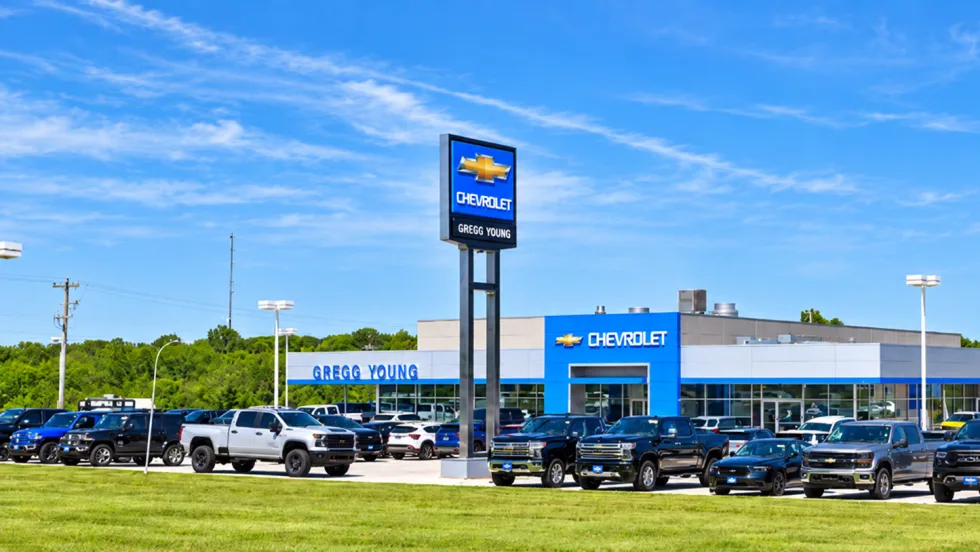
Nebraska Rooftop Changes Hands
The Gregg Young Automotive Group has sold its second dealership to Janssen Auto Group, both in Plattsmouth, Neb.
Read More →
Penske Auto Group Deal a Record
The deal to take the dealership and transportation services company private sets a new pace for industry buy-sell transactions.
Read More →
War Toll a Damper on Used Auto Prices
Cox Automotive found wholesale depreciation to be elevated in September amid high fuel prices and this year's unusual hurricane season.
Read More →
Bridge the Maintenance Gap
With many drivers missing recommended maintenance, service departments offering transparency and efficiency have a better chance of reaching financially strained consumers.
Read More →
California Store Has New Owner
The longtime dealership in the northern part of the state is known for robust fleet sales and has served the state capital for 115 years.
Read More →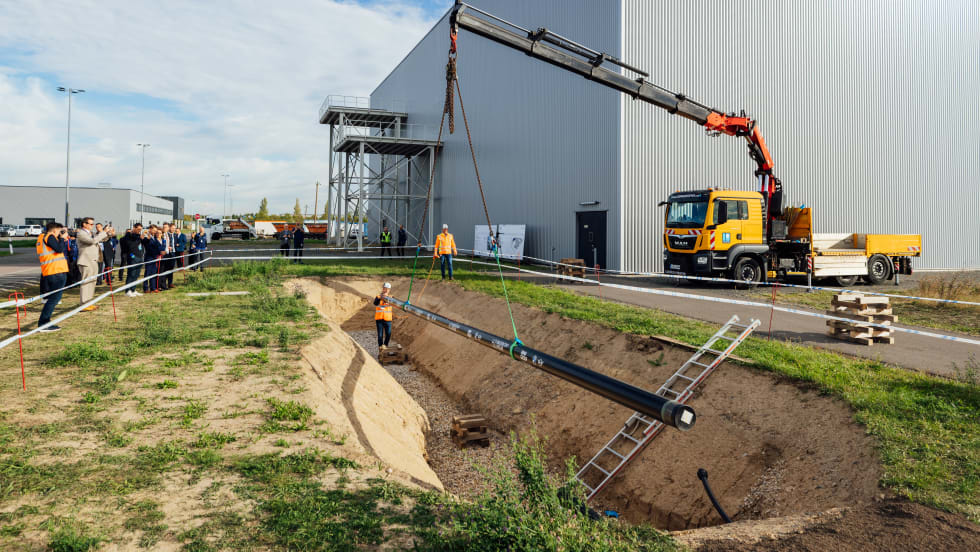
BMW Plant Pursues Cleaner Energy
BMW Group Plant Leipzig has utilized hydrogen to help power its production since 2013, but a new pipeline is planned to take it to another level.
Read More →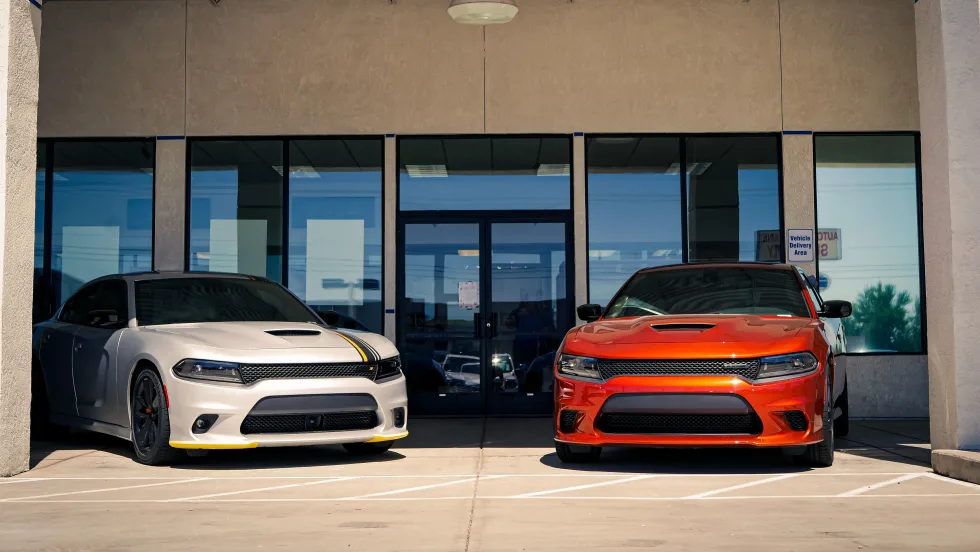
Auto Affordability Inches Up
The latest Cox Automotive and Moody’s Analytics index shows a slight increase in new-vehicle affordability despite high prices.
Read More →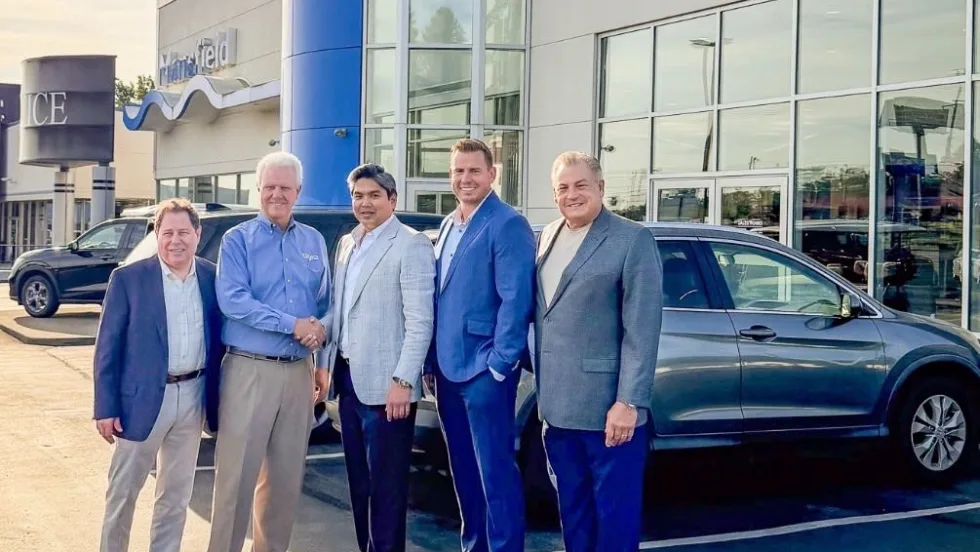
Ohio Auto Group Under New Ownership
After 79 years with the Schluter family, Mansfield Auto Group has been acquired by Missouri-based Clement Auto Group.
Read More →
RV Group Expands Carolina Footprint
Blue Compass RV Columbia Northeast is the 13th RV dealership owned by Blue Compass in the Carolinas.
Read More →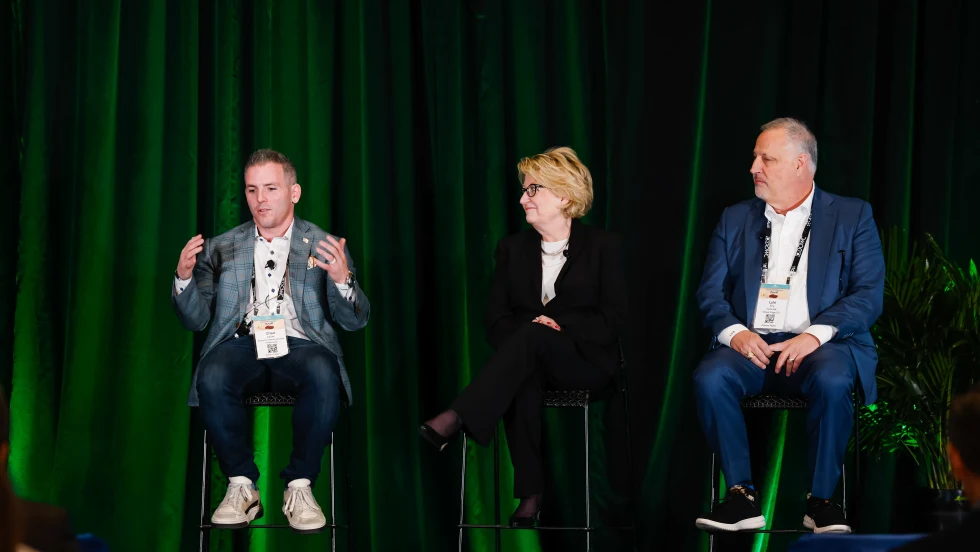
Agent Acumen
An Agent Summit panel of people who’ve been supporting auto dealers for years gave both timely and timeless advice for those starting out or mulling the prospect.
Read More →