



Stellantis Drives Toward EV Future
Stellantis is negotiating a third electric vehicle battery plant to come online in 2026, reports Stellantis CEO Mark Stewart.

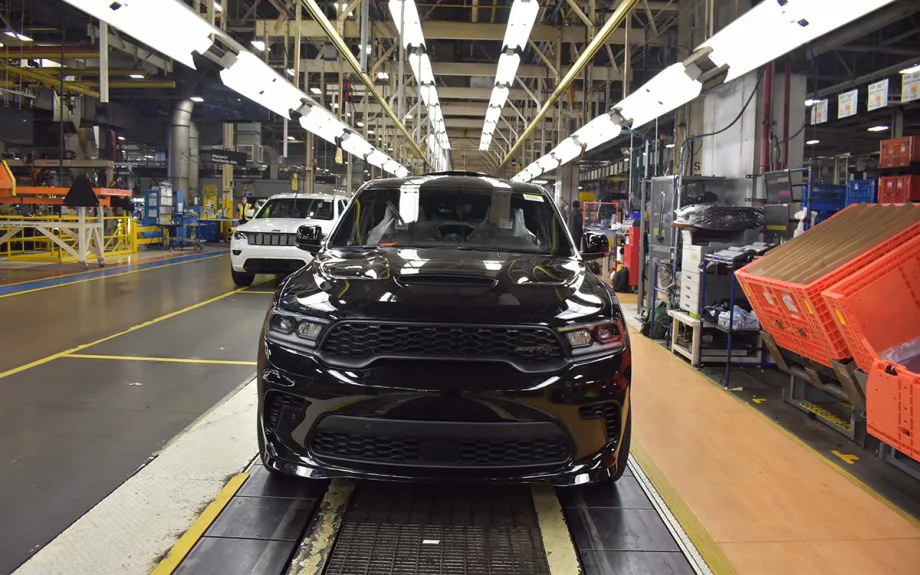
Stellantis is negotiating a third electric vehicle battery plant to come online in 2026, reports Stellantis CEO Mark Stewart.
IMAGE: Stellantis
Stellantis is negotiating a third electric vehicle battery plant to come online in 2026, reported Stellantis CEO Mark Stewart during the Rainbow PUSH Global Automotive Summit.
The company plans to cite the plant in the U.S. He noted the increasing adoption of EVs presents opportunities for suppliers and other business partners across the U.S.
“Now is the time,” Stewart said. “Look at Tesla. How many EVs are really sold? We just saw the stat. There’s not that many in the marketplace. The time is still prime to join.”
Stellantis hasn’t launched an EV in North America. But the automaker projects more than half of its North America sales on the continent will be battery electric vehicles (BEVs) by 2030. The company plans to invest $35.5 billion into electrification and software by 2025.
Currently, most suppliers of critical materials for EV batteries and components are made in China. Stellantis has found other sources of supply and has plans to source minerals like lithium, nickel and cobalt from companies in California, Australia and Germany.
“We don’t have as many [sources] here in the U.S.,” Stewart said of the mineral resources. “Our friends to the north in Canada are very resource rich in that, in a lot of the chemistry that goes with it. Mexico is as well. with lithium and some others. We’ve got dedicated teams and purchasing, making sure we’re securing that capacity for our needs. If things progress as we see, we will need that third plant online in ’26.”
Talent is also needed for the transformation, he added. The Summit recognized Stellantis and the Wayne County Community College District with a benchmark award for a $27 million mechatronics program that will train students in robotics and other needed skills.
The lab on the college’s eastern campus in Detroit will open this month with the new program launching in January. Stellantis’ contribution was a part of its community benefits agreement with the city of Detroit and residents.
“This is another great way to nurture the community,” Stewart said, “for the next generation to have folks come in that are going to have awesome jobs in our industry that we struggle so hard to get kids to come into our industry, but for us to do that and do it right here.”
The automaker’s Detroit Assembly Complex has hired 8,800 Detroit residents, but Rainbow PUSH’s diversity scorecard shows Stellantis has work to do in advertising and marketing. The organization assigned yellow marks to the automaker in those areas.
Stellantis bids out its marketing work.
“The great thing is it gives lots of people opportunities to come and then work with us,” he said. However, the company’s marketing team also is also working to develop Black-owned marketing agencies. “We’ve had some great wins this year and some incredible creatives that have come out of it,” he said.
He added that the company is committed to multicultural marketing, with African Americans representing a growing portion of the market. Stellantis has partnered with Byron Allen to help drive the shift.
Rainbow PUSH gave Stellantis a “green” score in the other areas of employment, procurement, dealer development and philanthropy for its efforts toward ethnic diversity.
According to Stewart, Stellantis has done $100 billion in business with minority-owned suppliers over the past four years. Within the company, over 35% of its workforce is diverse, along with over 20% of its leadership team.
“We’re making super sure that our pipeline is absolutely filled with diversity suppliers, specifically with African Americans,” he said. “We are on a fast track to get ourselves to where we are the same as in every community that we live in.”
The 2022 scorecard made history. It marked the first time no major automaker received red marks, which show the company lacks diversity initiatives and investments.
General Motors Co. received a yellow mark in employment. Ford Motor Co. received yellow marks in employment and marketing.
Originally posted on Auto Dealer Today
More Industry

Penske Auto Group Deal a Record
The deal to take the dealership and transportation services company private sets a new pace for industry buy-sell transactions.
Read More →
War Toll a Damper on Used Auto Prices
Cox Automotive found wholesale depreciation to be elevated in September amid high fuel prices and this year's unusual hurricane season.
Read More →
Bridge the Maintenance Gap
With many drivers missing recommended maintenance, service departments offering transparency and efficiency have a better chance of reaching financially strained consumers.
Read More →
California Store Has New Owner
The longtime dealership in the northern part of the state is known for robust fleet sales and has served the state capital for 115 years.
Read More →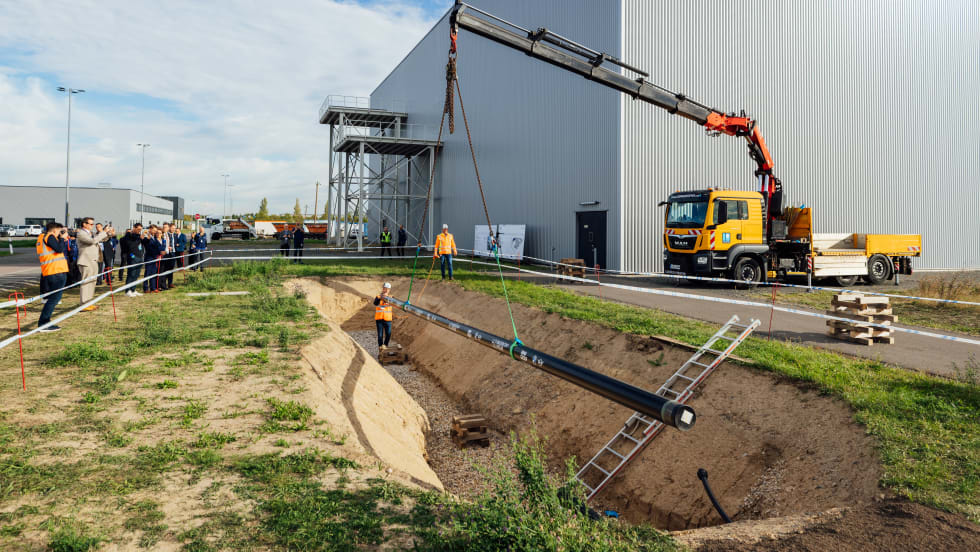
BMW Plant Pursues Cleaner Energy
BMW Group Plant Leipzig has utilized hydrogen to help power its production since 2013, but a new pipeline is planned to take it to another level.
Read More →
Auto Affordability Inches Up
The latest Cox Automotive and Moody’s Analytics index shows a slight increase in new-vehicle affordability despite high prices.
Read More →
Ohio Auto Group Under New Ownership
After 79 years with the Schluter family, Mansfield Auto Group has been acquired by Missouri-based Clement Auto Group.
Read More →
RV Group Expands Carolina Footprint
Blue Compass RV Columbia Northeast is the 13th RV dealership owned by Blue Compass in the Carolinas.
Read More →
Agent Acumen
An Agent Summit panel of people who’ve been supporting auto dealers for years gave both timely and timeless advice for those starting out or mulling the prospect.
Read More →
Missed Maintenance Creates Opportunity
As families get back on the road and into daily school routines, service drives have an opportunity to capture customers who are behind on recommended vehicle maintenance.
Read More →