



SEC Settles with Capital One Financial Corp. For $3.5 Million For Understating Auto Loan Losses

Washington, D.C. — The Securities and Exchange Commission charged Capital One Financial Corp. and two senior executives for understating millions of dollars in auto loan losses incurred during the months leading into the financial crisis.
An SEC investigation found that in financial reporting for the second and third quarters of 2007, Capital One failed to properly account for losses in its auto finance business when they became higher than originally forecasted. The profitability of its auto loan business was primarily derived from extending credit to subprime consumers. As credit markets began to deteriorate, Capital One’s internal loss forecasting tool found that the declining credit environment had a significant impact on its loan loss expense. However, Capital One failed to properly incorporate these internal assessments into its financial reporting, and thus understated its loan loss expense by approximately 18 percent in the second quarter and 9 percent in the third quarter.
Capital One agreed to pay $3.5 million to settle the SEC’s charges. The two executives – former Chief Risk Officer Peter A. Schnall and former Divisional Credit Officer David A. LaGassa – also agreed to settle the charges against them.
“Accurate financial reporting is a fundamental obligation for any public company, particularly a bank’s accounting for its provision for loan losses during a time of severe financial distress,” said George Canellos, co-director of the Division of Enforcement. “Capital One failed in this responsibility by underreporting expenses relating to its loan losses even as its own internal forecasting tool had signaled an increase in incurred losses due to the impending financial crisis.”
According to the SEC’s order instituting settled administrative proceedings, beginning in October 2006 and continuing through the third quarter of 2007, Capital One Auto Finance (COAF) experienced significantly higher charge-offs and delinquencies for its auto loans than it had originally forecasted. The elevated losses occurred within every type of loan in each of COAF’s lines of business. Its internal loss forecasting tool assessed that its escalating loss variances were attributable to an increase in a forecasting factor it called the “exogenous” – which measured the impact on credit losses from conditions external to the business such as macroeconomic conditions. A change in this exogenous factor generally had a significant impact on COAF’s loan loss expense, and it was closely monitored by the company through its loss forecasting tool. Capital One determined that incorporating the full exogenous levels into its loss forecast would have resulted in a second quarter allowance build of $72 million by year-end. Since no such expense was incorporated for the second quarter, it would have resulted in a third quarter allowance build of $85 million by year-end.
However, according to the SEC’s order, instead of incorporating the results of its loss forecasting tool, Capital One failed to include any of COAF’s exogenous-driven losses in its second quarter provision for loan losses and included only one-third of such losses in the third quarter. The exogenous losses were an integral component of Capital One’s methodology for calculating its provision for loan losses. As a result, Capital One’s second and third quarter loan loss expense for COAF did not appropriately estimate probable incurred losses in accordance with accounting requirements.
The SEC’s order also finds that Schnall and LaGassa caused Capital One’s understatements of its loan loss expense by deviating from established policies and procedures and failing to implement proper internal controls for determining its loan loss expense. Schnall, who oversaw Capital One’s credit management function, took inadequate steps to communicate COAF’s exogenous treatment to the senior management committee in charge of ensuring that the company’s allowance was compliant with accounting requirements. Despite warnings, he also failed to ensure that the exogenous treatment was properly documented. LaGassa, who managed the COAF loss forecasting process, failed to ensure that the proper exogenous levels were incorporated into the COAF loss forecast. He also failed to ensure that the exogenous treatment was documented consistent with policies and procedures.
“Financial institutions, especially those engaged in subprime lending practices, must have rigorous controls surrounding their process for estimating loan losses to prevent material misstatements of those expenses,” said Gerald W. Hodgkins, Associate Director of the Division of Enforcement. “The SEC will not tolerate deficient controls surrounding an issuer’s financial reporting obligations, including quarterly reporting obligations.”
Capital One’s material understatements of its loan loss expense and internal controls failures violated the reporting, books and records, and internal controls provisions of the federal securities laws, namely Sections 13(a), 13(b)(2)(A), and 13(b)(2)(B) of the Securities Exchange Act of 1934 and Rules 12b-20 and 13a-13. Schnall and LaGassa caused Capital One’s violations of Section 13(a), 13(b)(2)(A), and 13(b)(2)(B) of the Exchange Act and Rule 13a-13 thereunder and violated Exchange Act Rule 13b2-1 by indirectly causing Capital One’s books and records violations.
Schnall agreed to pay an $85,000 penalty and LaGassa agreed to pay a $50,000 penalty to settle the SEC’s charges. Capital One and the two executives neither admitted nor denied the findings in consenting to the SEC’s order requiring them to cease and desist from committing or causing any violations of these federal securities laws.
The SEC’s investigation was conducted by Senior Counsel Anita Bandy and Assistant Chief Accountant Amanda deRoo and supervised by Assistant Director Conway Dodge.
More Industry

Penske Auto Group Deal a Record
The deal to take the dealership and transportation services company private sets a new pace for industry buy-sell transactions.
Read More →
War Toll a Damper on Used Auto Prices
Cox Automotive found wholesale depreciation to be elevated in September amid high fuel prices and this year's unusual hurricane season.
Read More →
Bridge the Maintenance Gap
With many drivers missing recommended maintenance, service departments offering transparency and efficiency have a better chance of reaching financially strained consumers.
Read More →
California Store Has New Owner
The longtime dealership in the northern part of the state is known for robust fleet sales and has served the state capital for 115 years.
Read More →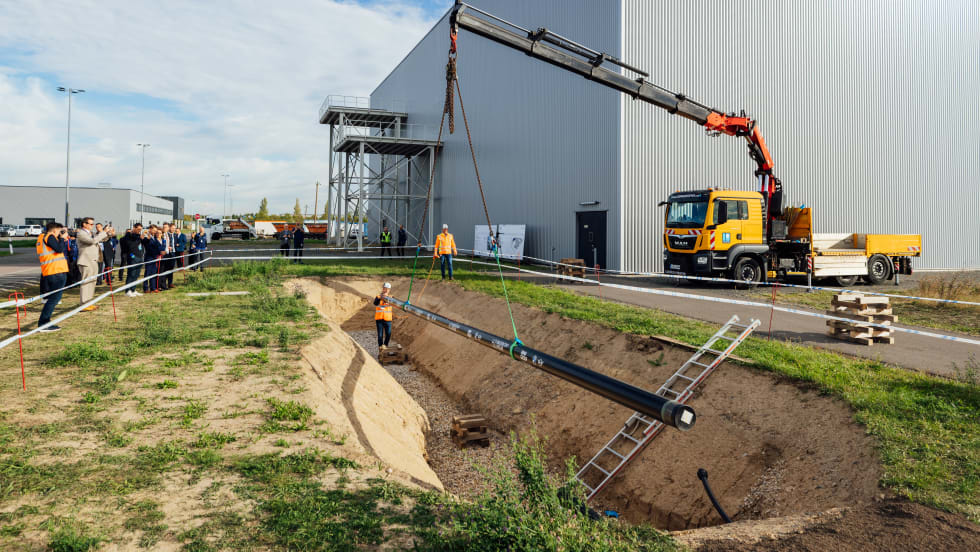
BMW Plant Pursues Cleaner Energy
BMW Group Plant Leipzig has utilized hydrogen to help power its production since 2013, but a new pipeline is planned to take it to another level.
Read More →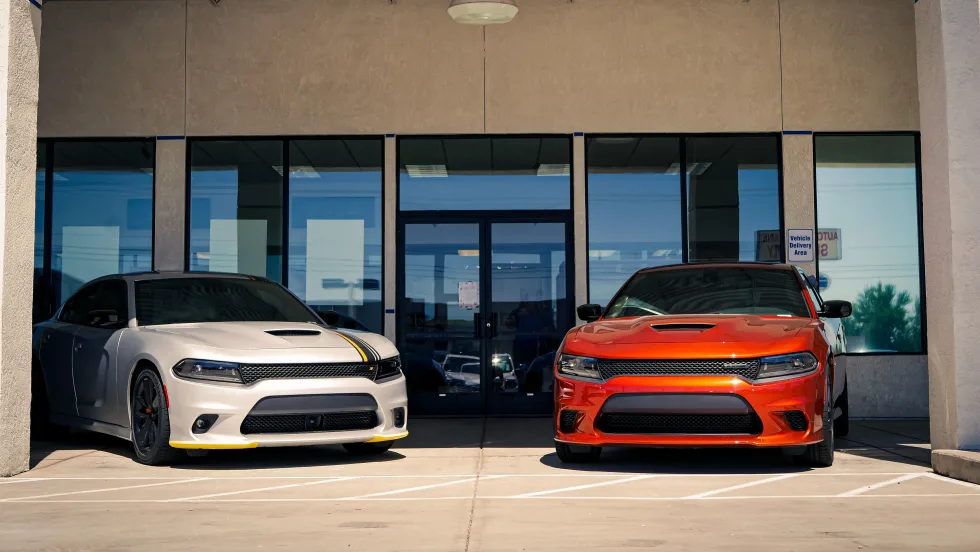
Auto Affordability Inches Up
The latest Cox Automotive and Moody’s Analytics index shows a slight increase in new-vehicle affordability despite high prices.
Read More →
Ohio Auto Group Under New Ownership
After 79 years with the Schluter family, Mansfield Auto Group has been acquired by Missouri-based Clement Auto Group.
Read More →
RV Group Expands Carolina Footprint
Blue Compass RV Columbia Northeast is the 13th RV dealership owned by Blue Compass in the Carolinas.
Read More →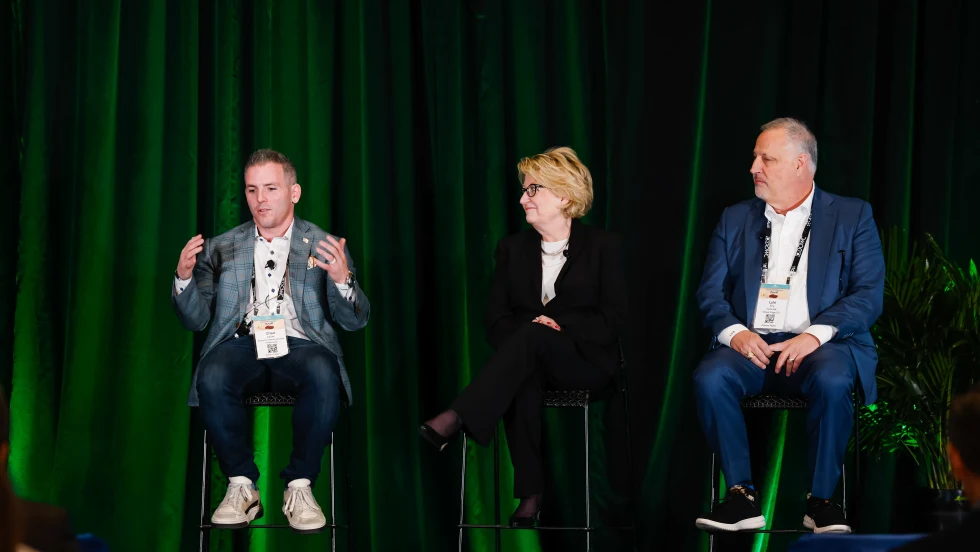
Agent Acumen
An Agent Summit panel of people who’ve been supporting auto dealers for years gave both timely and timeless advice for those starting out or mulling the prospect.
Read More →
Missed Maintenance Creates Opportunity
As families get back on the road and into daily school routines, service drives have an opportunity to capture customers who are behind on recommended vehicle maintenance.
Read More →