



Ratings Show Partial-Automated-Driving Weakness
Nonprofit’s tests give just one of 14 systems an ‘acceptable’ rating.


The systems employ cameras, radar or other technology to perceive routes and other vehicles on them.
IMAGE: Pexels/Erik McIean
Partial automated driving systems scored low in the Insurance Institute for Highway Safety’s first ratings of the vehicle technology.
The nonprofit deemed acceptable just one system of 14 it tested for safety, the Lexus LS “Teammate” system. The GMC Sierra and the Nissan Ariya received marginal scores, and the rest – BMW, Ford, General Motors, Genesis, Lexus, Mercedes-Benz, Nissan, Tesla and Volvo got poor ratings. The LS and the Ariya also have alternative systems that earned poor ratings.
The majority of the systems can actually make driving riskier, the test report indicates.
“Most of them don’t include adequate measures to prevent misuse and keep drivers from losing focus on what’s happening on the road,” said institute President David Harkey in a press release on the test findings.
It aims to push for added safety measures to curb misuse, “prolonged attention lapses,” and design features that raise risk, including systems that are operable when seatbelts are unbuckled.
The group said ratings apply only to the specific models tested, though systems with the same names may be installed in the maker’s other models. It pointed out that the technology isn't “self-driving” as some of the systems' names imply but all are partially automated.
“Some drivers may feel that partial automation makes long drives easier, but there is little evidence it makes driving safer,” Harkey said. “As many high-profile crashes have illustrated, it can introduce new risks when systems lack the appropriate safeguards.”
The systems employ cameras, radar or other technology to perceive routes and other vehicles on them, combining adaptive cruise control, lane centering and other assistance features, the institute said.
Originally posted on Auto Dealer Today
More Industry

Penske Auto Group Deal a Record
The deal to take the dealership and transportation services company private sets a new pace for industry buy-sell transactions.
Read More →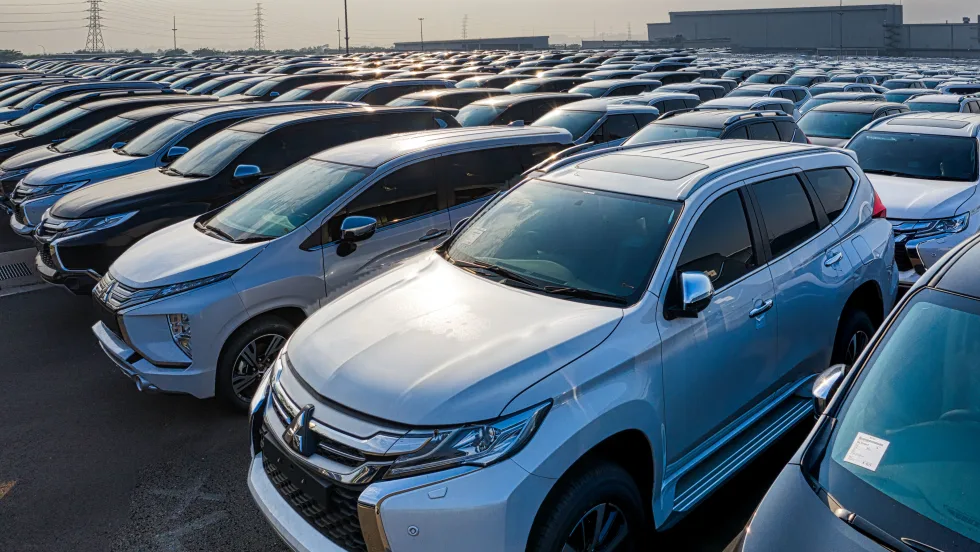
War Toll a Damper on Used Auto Prices
Cox Automotive found wholesale depreciation to be elevated in September amid high fuel prices and this year's unusual hurricane season.
Read More →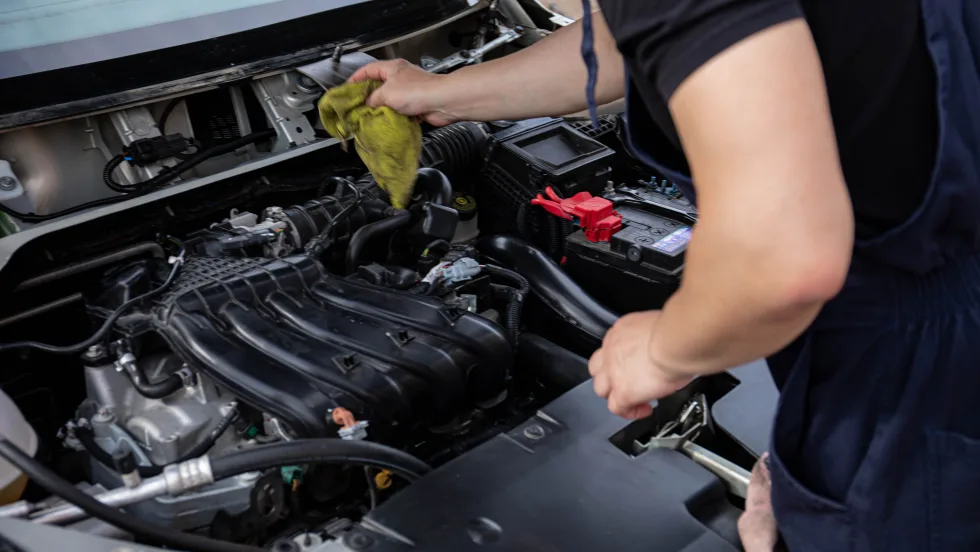
Bridge the Maintenance Gap
With many drivers missing recommended maintenance, service departments offering transparency and efficiency have a better chance of reaching financially strained consumers.
Read More →
California Store Has New Owner
The longtime dealership in the northern part of the state is known for robust fleet sales and has served the state capital for 115 years.
Read More →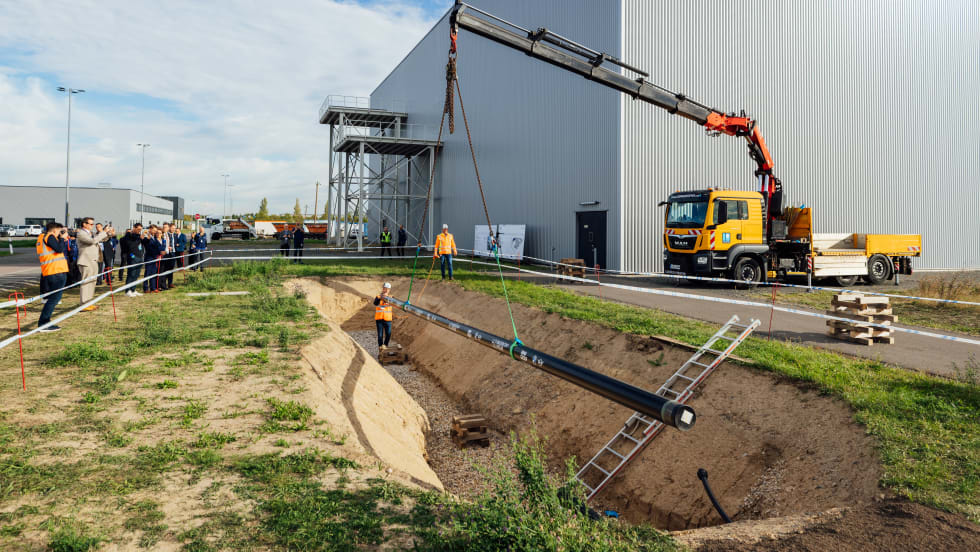
BMW Plant Pursues Cleaner Energy
BMW Group Plant Leipzig has utilized hydrogen to help power its production since 2013, but a new pipeline is planned to take it to another level.
Read More →
Auto Affordability Inches Up
The latest Cox Automotive and Moody’s Analytics index shows a slight increase in new-vehicle affordability despite high prices.
Read More →
Ohio Auto Group Under New Ownership
After 79 years with the Schluter family, Mansfield Auto Group has been acquired by Missouri-based Clement Auto Group.
Read More →
RV Group Expands Carolina Footprint
Blue Compass RV Columbia Northeast is the 13th RV dealership owned by Blue Compass in the Carolinas.
Read More →
Agent Acumen
An Agent Summit panel of people who’ve been supporting auto dealers for years gave both timely and timeless advice for those starting out or mulling the prospect.
Read More →
Missed Maintenance Creates Opportunity
As families get back on the road and into daily school routines, service drives have an opportunity to capture customers who are behind on recommended vehicle maintenance.
Read More →