



Porsche Shares Plunge After Volkswagen Merger Fails Over Pending Lawsuits

Porsche SE plunged the most in more than two years after saying efforts to combine with Volkswagen AG by the end of 2011 had failed because of pending lawsuits.
The merger has been held up by lawsuits in the U.S. and an investigation by German prosecutors linked to Porsche’s botched effort to buy VW. The two carmakers agreed to combine in 2009 after Porsche racked up more than 10 billion euros ($13.8 billion) of debt in the attempt to take over VW, reported Bloomberg.
Short sellers of VW stock have sued Porsche in the U.S., claiming the carmaker secretly piled up VW shares and later caused the investors to lose more than $1 billion. A lawyer representing claimants in Germany said today the plaintiffs had officially filed a suit seeking 1.1 billion euros in damages. Porsche, which has repeatedly denied all wrongdoing, identified the possible German lawsuit as a concern earlier this year.
“The lawsuits are posing risks that cannot be quantified,” said Tim Schuldt, a Frankfurt-based analyst at Equinet AG who recommends selling VW stock and has a ‘reduce’ recommendation on Porsche shares. “We won’t see results on the suits until next year. Moving ahead with a merger in such an unpredictable environment would be the wrong thing to do.”
Porsche preferred stock plunged 5.98 euros, or 14 percent, to close in Frankfurt trading at 37.99 euros, the biggest drop since May 7, 2009. The shares are down 26 percent this year, valuing the Stuttgart, Germany-based company at 11.7 billion euros. VW’s preferred shares fell 4.20 euros, or 3.9 percent, to 103.75 euros, giving it a market value of 45.8 billion euros.
The two carmakers will now need to come up with a new agreement if they intend to combine VW with Porsche’s holding company, which owns 50.7 percent of VW’s common shares and 50.1 percent of the Porsche car-making business. The original deal required the final decisions by the end of 2011.
VW and Porsche also have the option to forego a full merger and instead fold Porsche’s auto-making business into the VW group while leaving the holding company to manage the Volkswagen shares. The two carmakers have already deeply integrated their operations, with VW paying 3.9 billion euros ($5.4 billion) in December 2009 for 49.9 percent of Porsche’s automotive unit.
“Porsche will in any case become part of VW but the probability of a full-blown merger has definitely lessened,” said Marc-Rene Tonn, a Hamburg-based analyst with M.M. Warburg, who recommends buying VW stock and has a “hold” on Porsche shares. “A full-fledged merger always allows for greater cost savings as companies could cooperate more effectively.”
The German suit, filed in a Braunschweig court against Porsche and VW, was brought by a company bundling claims from 41 banks, insurance companies and investment funds, Franz Braun, a Munich lawyer representing the plaintiffs in the case, said today in an e-mail. The plaintiffs claim they were harmed by market manipulation in the trading of VW shares and disclosure rule violations.
Porsche, which has not yet received court documents related to the new lawsuit, dismissed the actions as “unfounded,” said Frank Gaube, a spokesman for the sports-car maker. VW has also not received any official court confirmation, Christine Ritz, VW investor relations chief, said.
Porsche is also fighting German legal obstacles and a U.S. investigation into share-price manipulation allegations linked to the failed effort to buy VW. Stuttgart prosecutors in February said their still ongoing probe had “solidified” suspicions Porsche didn’t adequately inform the market between 2007 and 2009 about its intentions to take control of VW.
“The continuing legal hurdles mean that it is currently impossible to quantify the economic risks of a merger,” VW said in a statement late yesterday.
The two carmakers are already intertwined even without a merger. Ferdinand Piech, whose family controls Porsche, is the VW supervisory board chairman, while Martin Winterkorn serves as chief executive officer of both VW and the Porsche holding company. The two also share technology and plants, with VW building part of the Cayenne sport-utility vehicle at its factory in Bratislava, Slovakia.
“Both companies are attractively valued, whether Porsche is integrated or not,” said Juergen Pieper, a Bankhaus Metzler analyst in Frankfurt. “The cooperation between the two companies can continue well and good as it is.”
As part of the original deal struck in August 2009, VW can pay cash for the remaining stake in Porsche’s automobile operations through a put/call structure allowing the sports-car maker to sell the rest of its core business to VW. Those options could be exercised between November 2012 and January 2015.
While this option would allow VW to fully fold Porsche’s automotive business into the VW group, it would leave Porsche’s holding company to manage the VW shares and take legal and financial responsibility for the outcome of the lawsuits. The price to follow this route would be linked to the valuation of the auto-making business at the time of the purchase.
VW said a necessary revaluation of the put/call structure for accounting reasons will have a “clearly positive contribution” to third-quarter figures whereas Porsche said it will likely post a “negative group result” for the first nine months.
Porsche SE’s third-quarter earnings may be reduced by about 1.6 billion euros because of the revaluation of the holding company’s remaining stake in its car-making operations, a person familiar with the matter said.
The exact impact of the non-cash adjustment of the auto unit’s valuation on Porsche’s books will be released when the holding company publishes results in late October, the person said, declining to be identified discussing the matter before an official announcement.
More Industry

Penske Auto Group Deal a Record
The deal to take the dealership and transportation services company private sets a new pace for industry buy-sell transactions.
Read More →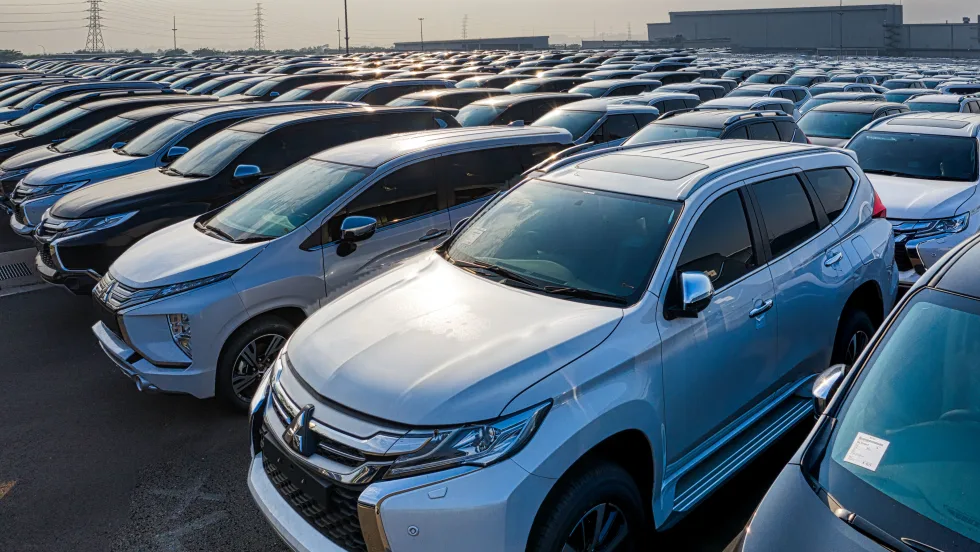
War Toll a Damper on Used Auto Prices
Cox Automotive found wholesale depreciation to be elevated in September amid high fuel prices and this year's unusual hurricane season.
Read More →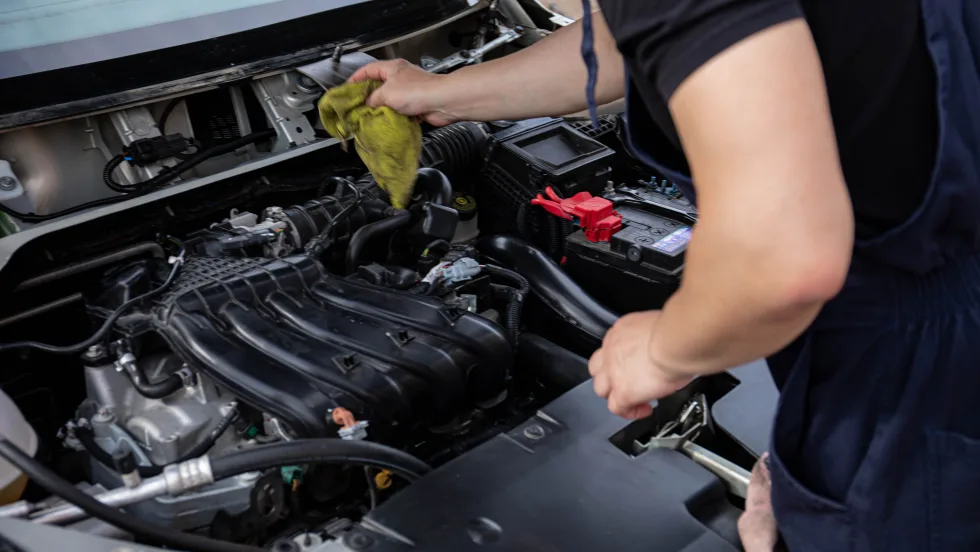
Bridge the Maintenance Gap
With many drivers missing recommended maintenance, service departments offering transparency and efficiency have a better chance of reaching financially strained consumers.
Read More →
California Store Has New Owner
The longtime dealership in the northern part of the state is known for robust fleet sales and has served the state capital for 115 years.
Read More →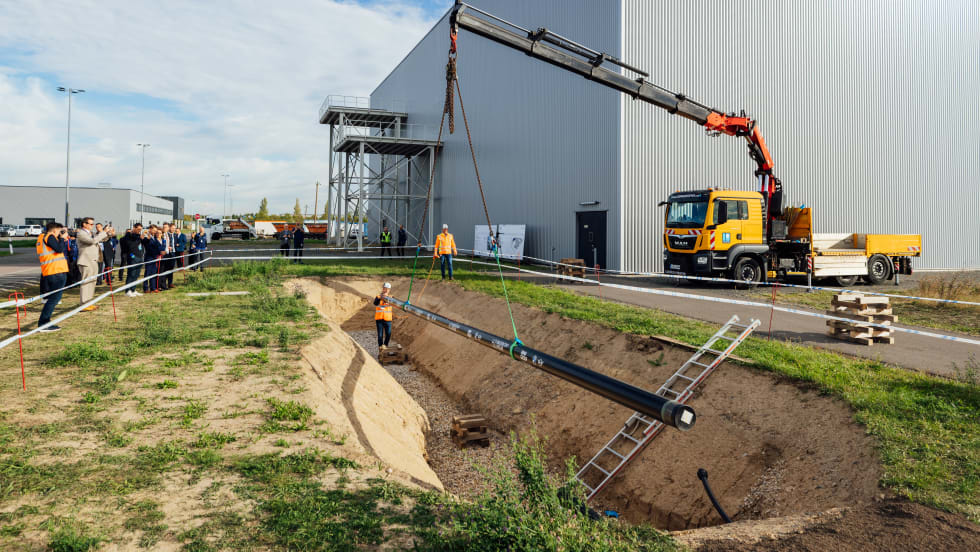
BMW Plant Pursues Cleaner Energy
BMW Group Plant Leipzig has utilized hydrogen to help power its production since 2013, but a new pipeline is planned to take it to another level.
Read More →
Auto Affordability Inches Up
The latest Cox Automotive and Moody’s Analytics index shows a slight increase in new-vehicle affordability despite high prices.
Read More →
Ohio Auto Group Under New Ownership
After 79 years with the Schluter family, Mansfield Auto Group has been acquired by Missouri-based Clement Auto Group.
Read More →
RV Group Expands Carolina Footprint
Blue Compass RV Columbia Northeast is the 13th RV dealership owned by Blue Compass in the Carolinas.
Read More →
Agent Acumen
An Agent Summit panel of people who’ve been supporting auto dealers for years gave both timely and timeless advice for those starting out or mulling the prospect.
Read More →
Missed Maintenance Creates Opportunity
As families get back on the road and into daily school routines, service drives have an opportunity to capture customers who are behind on recommended vehicle maintenance.
Read More →